Last updated 15 September 2026. Reviewed by Jade Basham, APA Sports & Exercise Physiotherapist.
Short answer: the best personal lubricant for most Australians is a water-based, glycerin-free formula like YES WB or Sliquid H2O. They're safe with every condom type, work with silicone dilators and toys, and stay gentle on sensitive tissue. If you need long-lasting glide for menopause or longer sessions, switch to a silicone like Uberlube. If you want daily comfort and tissue conditioning, an oil-based option like Olive & Bee covers that. The right pick depends on what you're using it for — the rest of this guide walks through each.
Vaginal dryness is one of the most common things we hear about in clinic, and one of the least talked about. Maybe it's menopause, breastfeeding, a medication you're on, pain during sex, or simply wanting more comfort during intimacy. Whatever's brought you here, the right lubricant can take everyday discomfort off the table. The hard part is knowing where to start, especially when so many mainstream lubricants contain ingredients that irritate sensitive tissue or throw vaginal health off balance.
This guide is the same advice we'd give you across the desk in clinic: what each type of lubricant actually does, which one suits your situation, and how to choose with confidence. It draws on pelvic health physiotherapy practice. Every lube mentioned here is stocked in our lube and personal lubricant collection.
How we chose these 13 lubricants
Everything in this guide is a product we stock and hand to clients in clinic, which means each one has already been through the same filter before it reaches the shelf.
- Ingredient screening - no glycerin, no parabens, no chlorhexidine, no added fragrance, and no warming or tingling agents. These are the ingredients behind most of the irritation we hear about.
- Formulation type - we favour formulas built to sit close to the body's own pH, and we avoid the glycols most associated with high osmolality, which is what pulls moisture out of the tissue a lubricant is meant to help.
- Device and condom compatibility - checked material by material, because getting this wrong ruins a dilator or a condom.
- Availability in Australia - every product here ships domestically. Nothing is listed that we can't actually supply.
Products go in and out of stock, so this list is reviewed and re-dated whenever the range changes. It was last checked on 15 September 2026.
What is the best lube for women in Australia?
The best lube for most women in Australia is a water-based, glycerin-free formula — it suits everyday intimacy, dilator therapy, and sensitive skin, and it's the safest first choice if you're not sure what to pick. From there, your situation matters: menopausal dryness usually wants silicone, postpartum and perimenopause often prefer oil-based, and already-irritated tissue does best with aloe.
A personal lubricant reduces friction and adds comfort during intimacy, pelvic floor therapy, or everyday vaginal care. Your body makes its own lubrication, but how much shifts with hormones, stress, medication, hydration, and where you are in your cycle or life stage. Needing lubricant isn't a sign that something is wrong. It's common. The fix is usually straightforward.
One distinction is worth getting clear before we go further, because a lubricant and a vaginal moisturiser do different jobs.
- A lubricant - works in the moment. You apply it before or during intimacy or pelvic therapy to cut friction.
- A vaginal moisturiser - works over time. Used regularly, around three to five times a week, to restore and hold moisture in the tissue.
Healthdirect Australia recommends vaginal moisturisers for ongoing dryness and water-based lubricants for sex specifically. Plenty of women use both, and through menopause or postpartum recovery the combination usually works best. You'll find both in our lubricants and vaginal moisturisers collection.
The different types of lubricants
1. Water-based lubricants
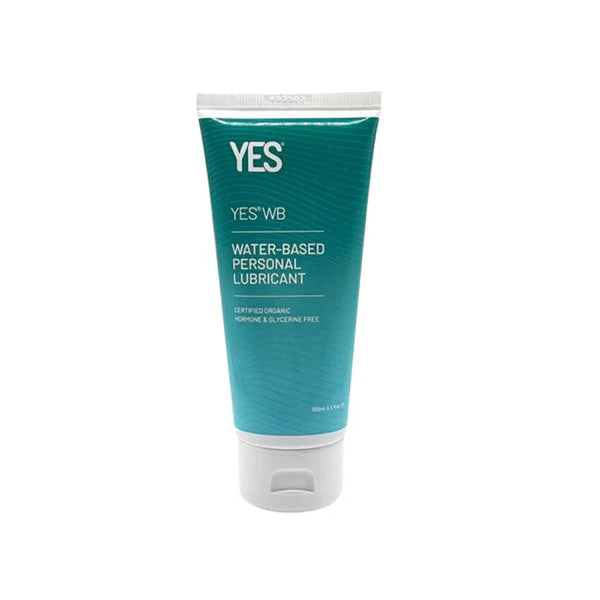
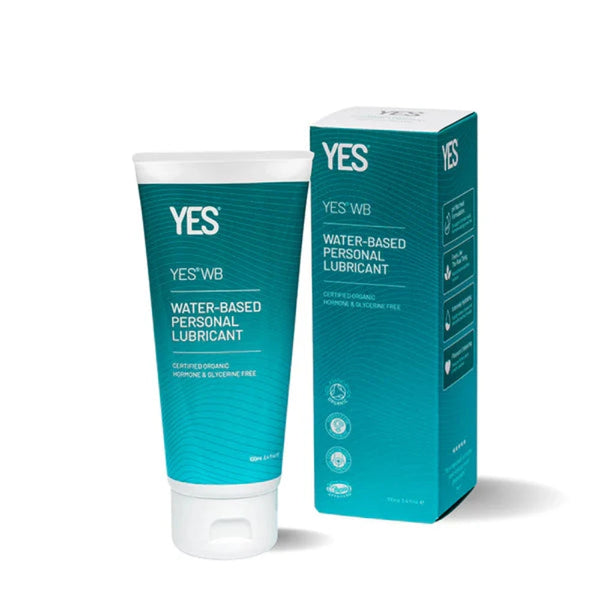
Our top pick: YES WB Water-Based Lubricant — certified organic, pH-balanced, glycerin-free, safe with every dilator and condom type.
Water-based is the most versatile option and the right starting point for most people. It feels natural and light, close to the body's own lubrication. It's safe with every condom type and with silicone toys, works with vaginal dilators and pelvic wands, cleans up easily, and stays gentle on sensitive skin. The trade-off is that it can need reapplying during a longer session, and it rinses away fast in the shower.
Best for - everyday intimacy, dilator therapy, pelvic wand use, sensitive skin, and anyone using latex condoms or silicone toys. Not sure where to begin? Water-based is almost always the right first choice.
Our picks:
- YES WB Water-Based Lubricant - certified organic, pH-balanced, glycerin-free.
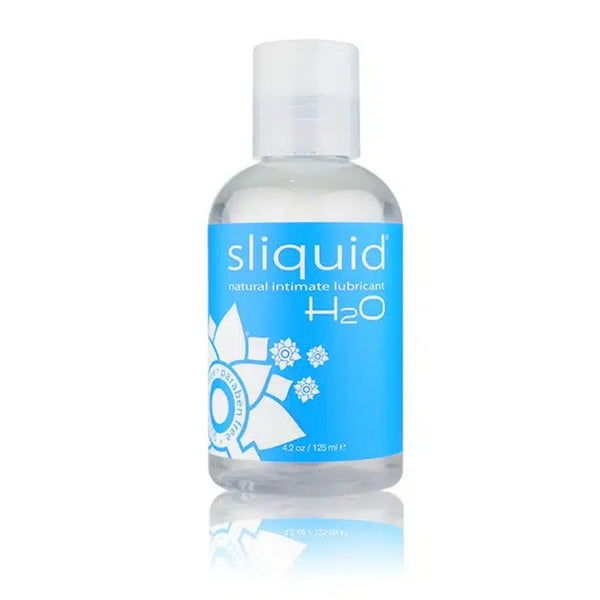
- Sliquid H2O - clean and simple, glycerin and paraben free.
- Sliquid Sassy - ultra-thick, a favourite for dilator therapy.
- JO Agapé Original - six ingredients and no botanical extracts at all, the shortest list we stock.
- JO Aloe - the same base with aloe vera and hyaluronic acid added, so it absorbs more slowly and holds its cushion for longer.
Still weighing up water-based against silicone? We've compared the two properly in our silicone vs water-based lube guide. Using condoms? We've answered the compatibility question, material by material, in can you use water-based lube with condoms.
Ready to compare formulas side by side? See the whole water-based lube collection, from lightweight to extra-cushion.
2. Silicone-based lubricants
Our top pick: Uberlube — long-lasting, waterproof, the one we reach for in clinic when clients describe significant menopausal dryness.
Silicone is ultra-smooth, long-lasting, and waterproof. It doesn't absorb into the skin, so there's no reapplying. It's safe with latex and polyisoprene condoms — and because Uberlube uses medical-grade silicone (dimethicone), it's safe with polyurethane too. It's also genuinely good for significant dryness. Two things to know: it isn't compatible with silicone toys or silicone dilators, and it needs soap to wash off fully.
Best for - shower or bath intimacy, longer sessions, and significant menopausal dryness.
Our pick:
- Uberlube - medical-grade dimethicone, vitamin E, and the longest-lasting glide of anything we stock.
3. Oil-based lubricants
Our top pick: Olive & Bee Intimate Cream — just olive oil and beeswax, Australian-made, physiotherapist-developed for daily comfort.
Oil-based lubricants last well and nourish the tissue, which makes them useful for daily vaginal moisturising as much as for intimacy. They condition the tissue rather than just sitting on the surface. The catch is that they aren't safe with latex or polyisoprene condoms, and they don't suit silicone toys or dilators.
Best for - daily vaginal moisturising, menopause and perimenopause, postpartum dryness, and intimate use where condoms aren't needed.
Our picks:
- Olive & Bee Intimate Cream - just olive oil and beeswax, Australian-made, physiotherapist-developed.
- YES OB Oil-Based Lubricant - certified organic.
- YES COCO Oil Applicators - a properly formulated coconut-based option for intimate use.
Curious about Olive & Bee specifically? Here's our full Olive & Bee review.
Tempted by a DIY option like coconut or olive oil? Our guide to natural lubricants explains what's genuinely safe for intimate use and what isn't.
4. Aloe-based and hybrid lubricants
Our top pick: Sliquid Organics Natural Gel — thicker aloe formula, the one we recommend most often for dilator therapy.
Aloe-based lubricants use aloe vera as the base instead of water alone. Aloe is naturally soothing, which makes these a good fit for sensitive or already-irritated tissue. Hybrids combine water and silicone, giving you the easy cleanup of a water-based product with some of the staying power of silicone.
Our picks:
- Sliquid Organics Natural - certified organic, aloe-based.
- Sliquid Organics Natural Gel - a thicker aloe formula, popular for dilator use.
- Sliquid Naturals Silk - water and silicone hybrid.
- Sliquid Organics Silk - organic aloe and silicone hybrid.
JO Aloe also belongs in this category — it's listed at number 5 above because its base is water rather than aloe, with aloe vera and hyaluronic acid added.
One thing worth saying plainly about this category: aloe is itself a reasonably common allergen, and in an aloe-based formula it's the most likely thing to react to. If you've had trouble with several intimate products, a formula with no botanical extracts at all is the safer place to start.
Best vaginal lubricant for sensitive tissue
If commercial lubricants have stung or irritated you before, the issue is almost always a specific ingredient rather than lubricant in general. The formulas we recommend most often for sensitive tissue are YES WB (water-based, certified organic), Sliquid Organics Natural Gel (aloe-based, hypoallergenic), Olive & Bee Intimate Cream (oil-based, two ingredients only), and JO Agapé Original (water-based, six ingredients, no botanicals at all). All four avoid glycerin, parabens, chlorhexidine, fragrances, and warming or tingling agents — the most common culprits in tissue irritation. If you've worked through several products already and reacted to more than one, the shortest ingredient list is the most useful place to start, because it gives you the fewest things to rule out.
Quick comparison: which lubricant should you choose?
| Type | Best for | Condom-safe | Silicone toy-safe | Cleanup |
|---|---|---|---|---|
| Water-based | First-time users, dilator therapy, sensitive skin | Yes (all) | Yes | Easy, rinses with water |
| Silicone | Menopausal dryness, longer sessions, shower use | Yes (all) | No | Needs soap |
| Oil-based | Daily moisturising, postpartum, perimenopause | No (latex) | No | Stays on skin |
| Aloe / hybrid | Already-irritated tissue, sensitive skin | Yes (water hybrid) | Hybrid only | Easy |
Choosing the right lubricant for your situation
For menopause and perimenopause
As oestrogen falls, the vaginal lining thins and makes less of its own lubrication. Healthdirect Australia notes vaginal dryness affects more than one in two women after menopause, and the Australasian Menopause Society estimates symptoms affect between 40% and 90% of menopausal women. Most never raise it with their doctor. For intimacy, a silicone lubricant like Uberlube gives long-lasting coverage. For everyday comfort, an oil-based option like Olive & Bee or YES OB used through the week works well. If symptoms persist, ask your GP about vaginal oestrogen therapy. It also helps to understand how these hormonal shifts affect the muscles themselves, which we cover in menopause and your pelvic floor.
Recommended: Olive & Bee, YES OB, YES VM, Uberlube. Shop the menopause collection or read our full menopause lubricant guide.
For postpartum and breastfeeding
A study of 832 postpartum women found 43% reported vaginal dryness at six months, with breastfeeding doubling the risk. The reason is hormonal. Prolactin, the hormone behind milk production, suppresses oestrogen, and low oestrogen means less lubrication, often for the whole nursing period. This has nothing to do with arousal or desire, and it settles once feeding winds down.
Recommended: YES WB, Sliquid Organics Natural, Olive & Bee, YES VM. There's more in our postpartum lubricant guide.
For vaginismus and dilator therapy
If you're using dilators as part of pelvic floor therapy, lubricant isn't optional. Water-based is the type to use with silicone dilators. Silicone lubricant should never go on a silicone dilator, because it can degrade the surface of the device. Apply it to both the vaginal entrance and the tip of the dilator before insertion.
Recommended: YES WB, Sliquid H2O, Sliquid Organics Natural Gel, and JO Aloe if you find yourself stopping to reapply partway through a session. See our dilator lubricant guide for the full method.
For sensitive skin
If a commercial lubricant has stung or irritated you before, the culprit is almost always a specific ingredient rather than lubricant in general. Steer clear of glycerin, parabens, chlorhexidine, fragrances, and any warming or tingling agent.
Recommended: Sliquid Organics Natural, YES WB, Olive & Bee, JO Agapé Original.
After cancer treatment
Hormone therapies for breast and gynaecological cancers often cause dryness more pronounced than natural menopause. Using a regular vaginal moisturiser alongside a lubricant for intimacy is commonly recommended. Always clear new products with your oncology or gynaecology team first.
Recommended: YES VM Vaginal Moisturiser, YES WB, Olive & Bee.
When trying to conceive
Many standard lubricants can affect sperm motility. If you're trying to conceive, look for a product labelled fertility-friendly with a pH between 7.2 and 8.5, or ask your GP or fertility specialist what they'd recommend.
Lubricant ingredients to avoid
- Glycerin (glycerol) - the WHO advises glycerol content stays under 9.9% by weight. Higher concentrations can damage vaginal epithelial cells and trigger thrush in susceptible women.
- Parabens - synthetic preservatives (methylparaben, propylparaben) that research has shown can inhibit beneficial vaginal Lactobacillus bacteria.
- Chlorhexidine gluconate - kills off beneficial vaginal bacteria. Worth checking for specifically, because it turns up in some well-known products, including standard K-Y Jelly.
- Petroleum-based ingredients - not made for vaginal use, associated with higher rates of bacterial vaginosis, and not compatible with latex condoms.
- Fragrances and flavourings - common irritants, along with warming, tingling, and cooling agents.
- High osmolality - pulls water out of vaginal cells and damages the epithelial barrier. The WHO recommends osmolality below 1,200 mOsm/kg, and avoiding glycols is the most practical way to stay within range.
Every lubricant in the Blossom Pelvic Health collection is free from all of these. If you'd like to get better at reading a label yourself, our guide to lubricant ingredients to avoid goes through each one in more detail.
How long does lubricant last, and does it expire?
Yes, lubricant expires, and it's worth checking. Most products carry a use-by date, or a small open-jar symbol showing the months-after-opening window. As a rough guide, oil-based formulas have the shortest shelf life because natural oils can turn, water-based sit in the middle, and silicone tends to last longest. An expired lubricant can sting, lose its glide, or become more likely to irritate. If something smells off, has changed texture, or is past its date, replace it rather than push on with it.
Is it normal to need lubricant even when aroused?
Completely normal. Natural lubrication varies a lot between people, and it's influenced by hormones, cycle phase, medication, stress, and age. Needing lubricant reflects your hormonal state, not your level of arousal.
Is it safe to use lubricant every day?
Yes, as long as the formula suits your tissue. Water-based and aloe-based lubricants are designed for daily use and don't disrupt the vaginal microbiome when they're free of glycerin, parabens, and high-osmolality ingredients. Oil-based options like Olive & Bee are also commonly used daily for ongoing comfort, particularly through menopause or breastfeeding. If you're using a lubricant every day and notice irritation, thrush symptoms, or changes in discharge, switch to a different base and check with your GP or pelvic physiotherapist.
Shop our lubricant range
Every product we stock is chosen for ingredient quality, clinical suitability, and how it behaves on sensitive tissue. No parabens, no glycerin, no synthetic fragrances. Browse the full lubricants and vaginal moisturisers collection, or go straight to menopause, painful sex, vaginal dilators, or postpartum recovery.
If dryness, pain during sex, or pelvic floor concerns aren't easing with lubricant alone, seeing a pelvic health physiotherapist is a worthwhile next step. These are common, treatable problems, and you don't have to work them out on your own.