Skip to content
Menu

Tight & Hypertonic Pelvic Floor Products

A tight, hypertonic or overactive pelvic floor holds tension when it should be able to let go. This range spans the internal wands and graduated dilators used in pelvic physiotherapy programs, alongside lubricants and comfort options for the more sensitive stages of working on pelvic floor relaxation.

Sorted by:
Showing 36 of 36 products

Filters

How to relax pelvic floor muscles

Down-training is the usual starting point for an overly tense pelvic floor: slow diaphragmatic breathing, supported stretching and warmth, rather than more Kegels. A pelvic physiotherapist can assess where you hold tension and build pelvic floor relaxation exercises into a home program. Internal tools usually join that program once you know what you're working on. Our at-home pelvic floor therapy tools page covers the wider kit if you want the full picture.

Intimate Rose Temperature Therapy Pelvic Wand — yellow medical-grade silicone, S-curved dual-ended shape, shown alongside its packaging.
Intimate Rose Pelvic Wand — purple medical-grade silicone, S-curved dual-ended pelvic floor physiotherapy tool shown alongside its packaging

Internal massage for pelvic floor trigger points

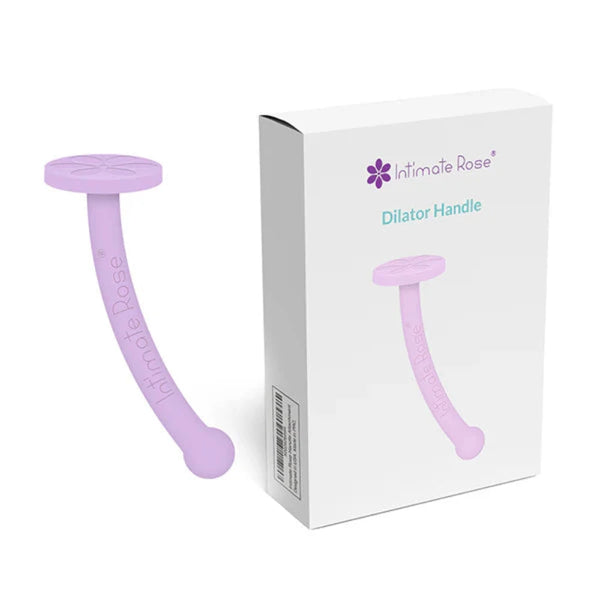
A trigger point is a small, tender band of muscle that reproduces your familiar ache when pressed. Internal massage eases it with steady, sustained pressure on that exact spot, which is the technique pelvic physiotherapists teach patients for home self-management. That is the job of our pelvic wand range. The Intimate Rose Pelvic Wand is an internal pelvic-floor massager shaped to reach muscles that are hard to access with your own hands, designed for trigger-point release under physio guidance.

Gradual stretching for a tight pelvic floor

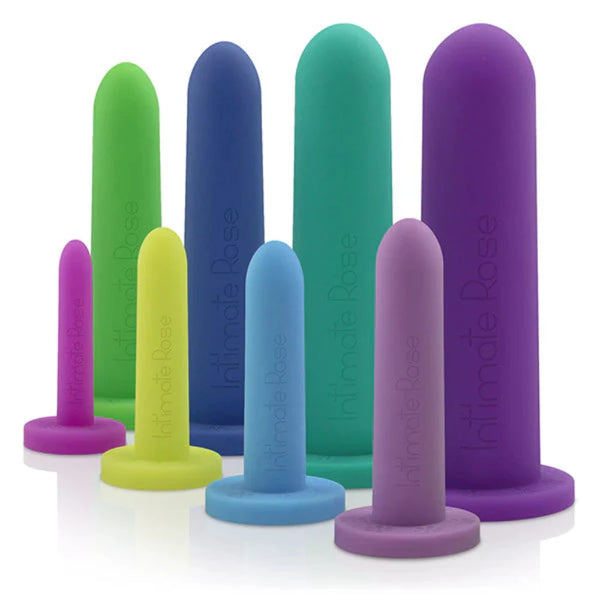
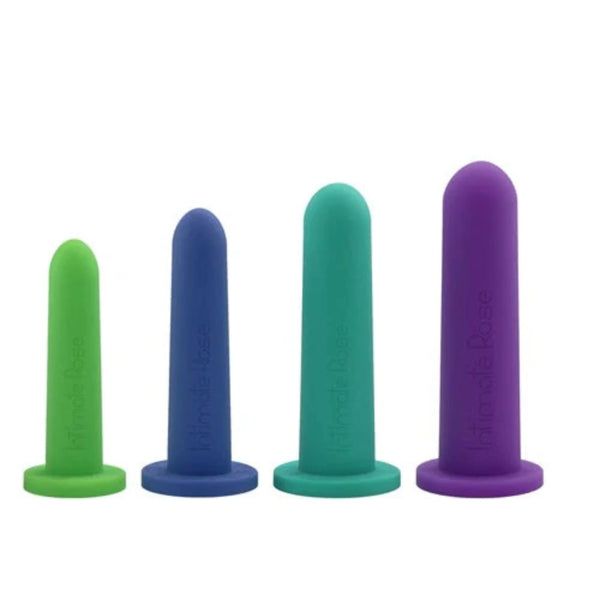
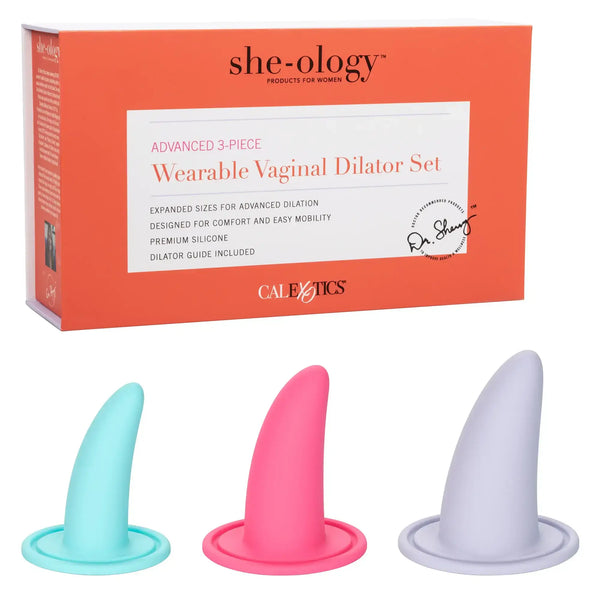
Graduated stretching works differently to point pressure. A smooth, tapered insert stretches the muscle circumferentially, gently and all the way around, and you only move up a size when the current one feels easy. Pelvic physiotherapists use vaginal dilators for progressive vaginal stretching, usually inside a program you've built together; the Intimate Rose small dilator set is a common starting point. Other kits in this grid, like the Calexotics ranges, are graduated silicone sets made for gradual use at home, at whatever pace suits you.

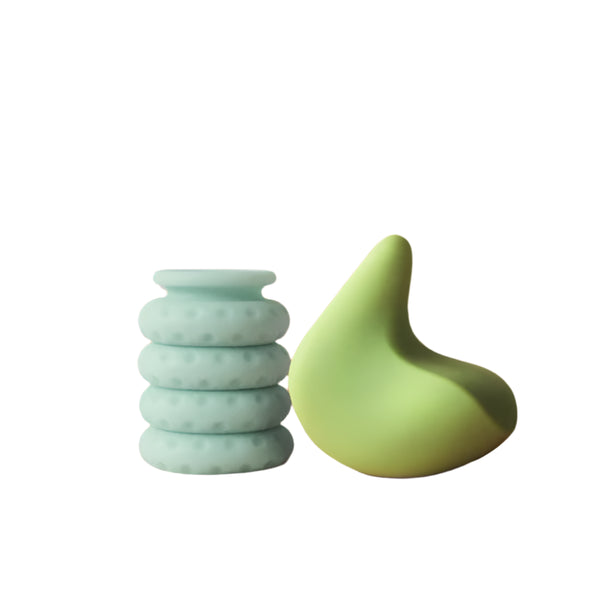
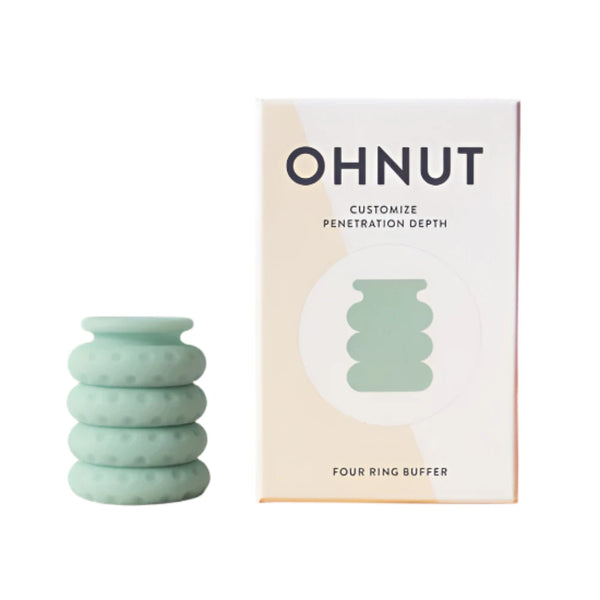
The Ohnut depth-limiting rings four-ring set in mint green, displayed beside the original Ohnut packaging. Soft polymer buffer rings used to limit penetration depth for comfort. Sold in Australia by Blossom Pelvic Health.

Physio-led support for pelvic floor tension

Blossom Pelvic Health was founded by a physiotherapist focused on pelvic health, and this page is organised the way tension is usually worked through in clinic: release first, stretching second, comfort supports alongside. If sex is the main pain point, Ohnut depth-limiting rings and our products for painful sex page cover that angle in more depth. If your pelvic floor is weak rather than tight, pelvic floor strengthening products are the better starting place, and the Intimate Rose range gathers that brand's wands and dilators in one place.

Overactive pelvic floor questions, answered

Tightness tends to show up as pelvic pain, difficulty starting your urine flow, constipation or pain with penetration. Weakness looks more like leaking when you cough or jump, and a heavy, dragging feeling. A pelvic physiotherapist can assess which applies; if it's weakness, start with our weak pelvic floor collection.

They do different jobs. A wand applies steady point pressure to one tender spot inside the pelvic floor, while a dilator stretches the passage circumferentially, one graduated size at a time. Many physio-led programs use both; when penetration itself is the painful part, a program usually starts with dilators.

Common descriptions include a constant ache or pressure in the pelvis, hips or lower back, a slow or hesitant urine stream, constipation, and sharp or burning pain with penetration. Muscle spasm can flare after activity. Symptoms overlap with other conditions, so a proper assessment is worth having.

It's not mandatory, but it's the strongest recommendation on this page. An internal assessment confirms whether tension really is the problem and which muscles hold it, so wand or dilator work targets the right spot. Many people use the tools here inside a physio-guided home program.

Usually not at first. Strengthening a muscle that can't fully relax tends to add tension rather than control, so physios generally teach release and down-training before any Kegel work. Once your pelvic floor can properly let go, strengthening can be added back in if you actually need it.

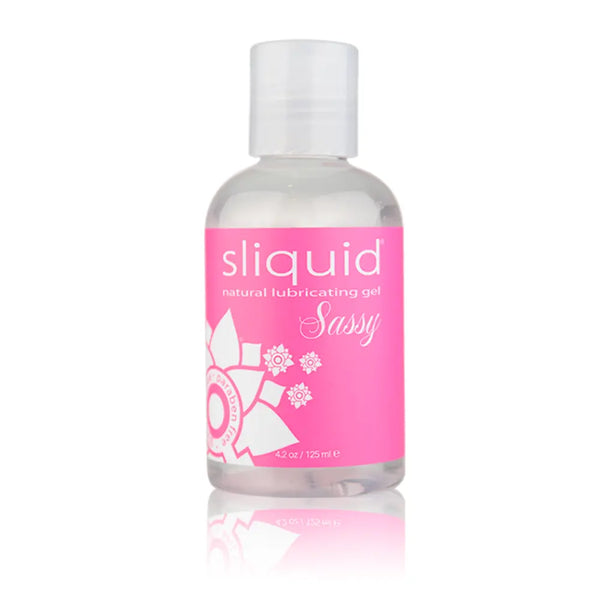
A water-based lubricant is the safe default. It suits every material in this range, including silicone tools, and washes off easily. Silicone lubricants last longer but are best kept away from silicone wands and dilators, since they can degrade the surface over time. Apply generously.

Wash before and after every use with warm water and a mild, fragrance-free soap, then air-dry completely before storing in a breathable pouch. Don't share tools, and check silicone regularly for nicks. Most wands and dilators here are non-porous silicone, so routine cleaning stays straightforward.

Because of the intimate nature of these products, we don't accept change-of-mind returns. If your item arrives faulty or damaged, email hello@blossompelvichealth.com.au and we'll look after you. Full details, including what's covered under Australian Consumer Law, are in our returns policy.

Keep reading on pelvic floor release

Three guides from the Blossom team that go deeper than a category page can.

Australian woman reclining calmly on a linen sofa at home, eyes closed and shoulders relaxed, easing pelvic floor tension

Hypertonic pelvic floor and trigger points

What trigger points are, where they form in the pelvic floor, and how sustained-pressure release actually works at home.

Read more
Intimate Rose pelvic wand beside a graduated set of coloured vaginal dilators on linen, comparing the two pelvic floor tools

Pelvic wand vs vaginal dilator: which one do you need?

Point pressure or circumferential stretch. How the two tools differ, and how to match one to your symptoms.

Read more
Australian woman resting on a sofa at home holding a warm heat pack against her lower abdomen to ease pelvic pain

Heat or ice for pelvic pain?

When warmth suits tight, cramping pelvic muscles and when cooling fits irritated nerves better, with safe at-home methods.

Read more

Your Cart

Your Cart is empty
Let's fix that

Your Wishlist