Skip to content
Menu
A woman with dark hair smiles warmly at a baby she is holding close. The baby looks back at her. They are near a bright window, creating a soft and gentle atmosphere. A woman with dark hair smiles warmly at a baby she is holding close. The baby looks back at her. They are near a bright window, creating a soft and gentle atmosphere.

Postpartum Recovery Products Australia

Postpartum recovery looks different after a caesarean than after a vaginal birth, and your kit should too. This collection brings together postpartum recovery essentials commonly used in the first weeks at home, from perineal care and compression garments to breastfeeding support, so you can stock up before your due date.

Sorted by:
Showing 29 of 29 products

Filters

Recovering from a c-section or a vaginal birth?

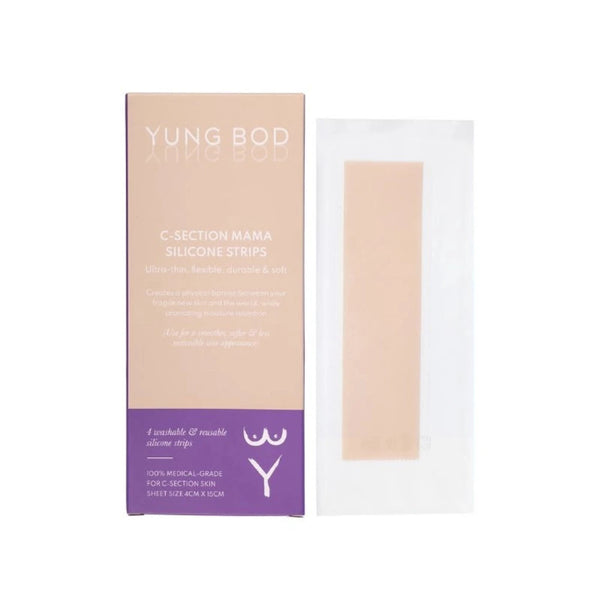
Start with how you gave birth. Caesarean recovery centres on the incision area and moving comfortably; vaginal birth recovery centres on perineal care. You'll find a dedicated range of c-section recovery products, from compression shorts to silicone scar strips, and a vaginal birth recovery range built around peri bottles, cooling packs and gentle cleansing. Shopping before your due date? Cover both bases lightly, then top up once you know how your birth went.

The Bubba Bump Peri Care Bundle — Complete Postpartum Perineal Recovery Kit includes disposable underwear, witch hazel wipes, and a pink peri bottle, arranged on a wooden stand for easy access and soothing comfort.

Building your postpartum recovery kit

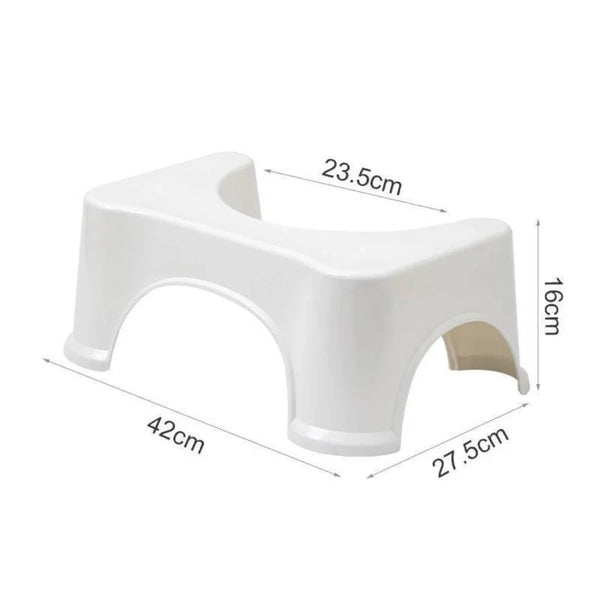
Most postpartum recovery kits in Australia start with the same core: a peri bottle, witch hazel wipes, warm and cool packs, disposable underwear and maternity pads. From there, add what suits you, like a toilet stool that raises your knees above your hips, which some people find makes bowel movements more comfortable in the early days. Aim to have your kit together by around 36 weeks, at the same time you pack your hospital bag essentials.

Choosing compression and support after birth

Postpartum compression is worn to support your abdomen and pelvis while your body recovers, after both caesarean and vaginal births. SRC's recovery shorts and leggings are ARTG-listed, medical-grade graduated compression designed to support abdominal and pelvic recovery, while the maternity belly band gives adjustable, gentler support you can wear over leggings. Fit does most of the work with compression, so measure carefully and follow each brand's size guide. Compare the full range of SRC compression garments to find your style and size.

SRC Silver Nursing Cups box — reusable pure silver shields worn between feeds

A physio-led approach to postpartum care

Blossom Pelvic Health is an Australian store founded by a physiotherapist focused on pelvic health, and this page covers more than the first fortnight. Feeding comfort matters: our breastfeeding care products include silver nursing cups, bamboo breast pads and warm and cool packs for engorgement discomfort. And when you're ready, intimacy deserves patience rather than pressure — our products for painful sex and wider sexual wellbeing range are built around comfort at your own pace. Every order ships in discreet packaging, Australia-wide.

Common questions in the first weeks after birth

A short list covers most early needs: maternity pads, a peri bottle, witch hazel wipes, warm and cool packs, high-waisted disposable underwear and comfortable loose clothing. After a caesarean, choose underwear and layers that sit above the incision line. Everything else can wait until you know your recovery.

Six weeks is a check-in point, not a finish line. Bleeding usually settles within about six weeks, while abdominal, pelvic floor and caesarean recovery continue over months. Your six-week postnatal check is the moment to raise anything that still doesn't feel right, physically or emotionally.

For day-to-day perineal cleansing, a peri bottle does the job for most people: warm water rinsed over the area while you're on the toilet. A sitz bath is a shallow, separate soak some people add for comfort. Start with the bottle and add a soak if you want one.

Many people start wearing postpartum compression in the first days after birth, including after a caesarean, and SRC's own guidance supports early wear. Timing still varies with your delivery and any complications, so clear it with your hospital team first and follow the brand's size guide closely.

It's common: around one in three women who have ever had a baby experience urinary leakage. But common doesn't mean permanent, and it isn't something you just have to put up with. If leaking persists past your six-week check, a pelvic health physiotherapist can assess what's going on.

Yes, especially in the first months: hormones, tissue recovery and sheer tiredness all play a part. Go slowly, use a good lubricant, and stop if anything hurts. Pain that keeps returning is worth raising with your GP or a pelvic health physiotherapist rather than pushing through.

Around six weeks postpartum is a common time for a pelvic floor assessment, whatever kind of birth you had. Book sooner if you have ongoing pain, leakage, heaviness or wound concerns. You don't need a GP referral to see a pelvic health physiotherapist in Australia.

Because of the intimate nature of these products, we don't accept change-of-mind returns. If an item arrives faulty or damaged, email hello@blossompelvichealth.com.au and we'll look after you. Some items, like SRC garments, have specific exceptions — see our returns policy for the full detail.

Reading for the fourth trimester

Three physio-led guides worth reading before and after your due date.

Peri bottles in Australia: the complete guide — blog hero

Peri bottles in Australia: the complete guide

What a peri bottle does, how to use one after a vaginal birth or a caesarean, and what to look for before you buy.

Read more
Perineal massage in pregnancy: a step-by-step guide from 34 weeks — blog hero

Perineal massage in pregnancy: a step-by-step guide from 34 weeks

The evidence behind perineal massage, and exactly how and when to start before a first vaginal birth.

Read more
Bladder retraining: a pelvic physio's step-by-step guide — blog hero

Bladder retraining: a pelvic physio's step-by-step guide

A structured, evidence-based way to rebuild bladder habits if urgency or leaking has followed you home from hospital.

Read more

Your Cart

Your Cart is empty
Let's fix that

Your Wishlist