Skip to content
Menu

Prepare for Birth

The final weeks of pregnancy come with a to-do list of their own. This page gathers the products many people use when preparing for labour and birth: perineal massage oils and creams, birthing balls, colostrum collection kits and small comforts for early labour. The guides below cover where to start and when.

Sorted by:
Showing 25 of 25 products

Filters

When to start perineal massage

Most guidance suggests starting perineal massage from around 34 weeks of pregnancy, a few times a week. Reviews of the research have linked it with a lower chance of tears needing stitches in first births, and your midwife or pelvic health physiotherapist can show you the technique. Many women use a plain, unscented option such as Olive & Bee intimate cream to make the stretch more comfortable.

Colostrum collection kits, explained

A colostrum collection kit is a pack of small sterile syringes, caps and labels for collecting and storing colostrum in the fridge or freezer from around 36 weeks. Australian maternity services generally advise checking with your midwife or doctor before starting antenatal expressing, as it isn't suited to every pregnancy. Pre-filled, labelled syringes travel well in an insulated pouch alongside your hospital bag essentials.

Using a birthing ball in late pregnancy

A birthing ball is a standard anti-burst fitness ball used for supported sitting, gentle hip movement and upright positioning in late pregnancy and early labour. There's no strong evidence a ball brings labour on; many women simply find moving easier on one than sitting still. The acupressure birthing comb and raspberry leaf tea in this range sit in the same camp: small comforts and rituals, not treatments.

A large, inflatable exercise ball, often used for core strengthening and balance exercises."

Physio-led support for birth and beyond

Blossom Pelvic Health was founded by a physiotherapist focused on pelvic health. The wider range of pregnancy support products covers the months before birth, while vaginal birth recovery and postpartum recovery products pick up afterwards. Because of the intimate nature of these products, we don't accept change-of-mind returns. If an item arrives faulty or damaged, email hello@blossompelvichealth.com.au and we'll look after you. Full details in our returns policy.

Preparing for labour, answered

Most of the practical preparation lands between 32 and 36 weeks: antenatal classes wrap up, perineal massage commonly starts around 34 weeks, colostrum expressing (if advised) from 36 weeks, and hospitals suggest having your bag packed by then too. Your midwife can map the timing to your pregnancy.

The studies that found a benefit mostly used perineal massage once or twice a week from around 34 weeks, for about five minutes at a time. More isn't necessarily better. If it feels painful rather than stretchy, stop and ask your midwife or pelvic physiotherapist to check your technique.

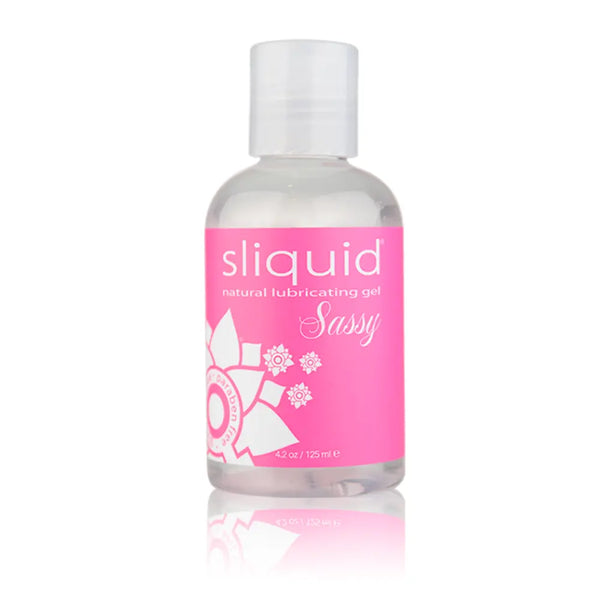
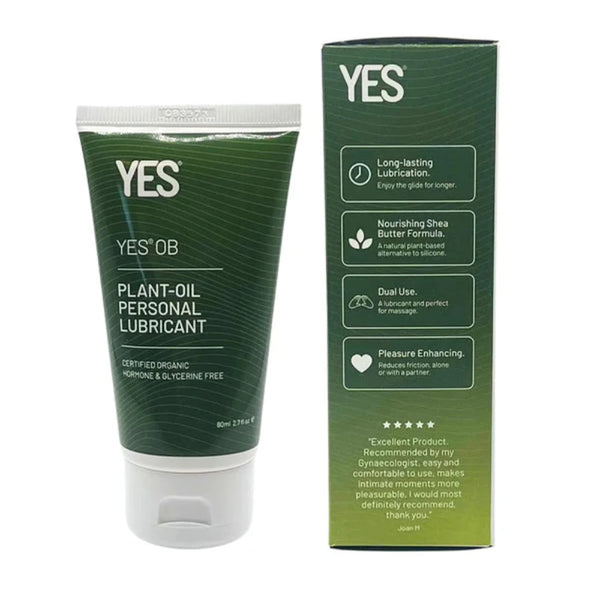
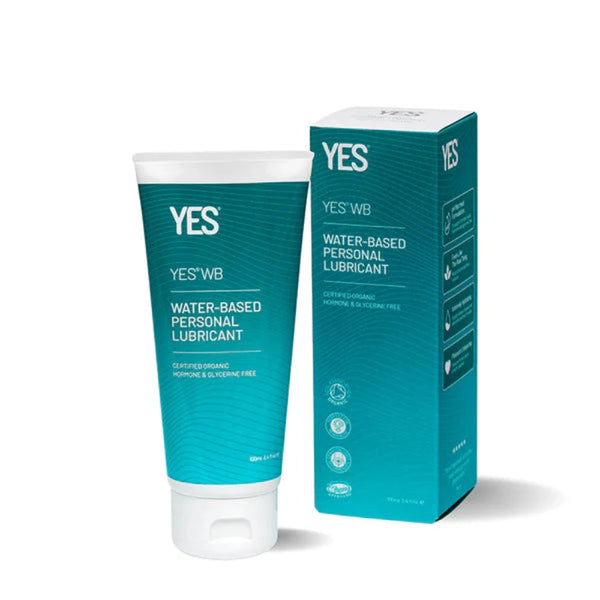
A plain, unscented, body-safe option is the usual advice: a water-based lubricant, a natural oil, or an intimate moisturising cream. Avoid fragranced products and anything that stings. There's no evidence one oil outperforms another; comfort and skin tolerance are the deciding factors.

There's no reliable evidence that bouncing on a birth ball starts labour. What a ball does offer is comfortable upright positioning, movement and pelvic mobility in late pregnancy and early labour, which is why many birthing suites keep them. Choose an anti-burst ball sized to your height.

Australian guidance generally suggests waiting until around 36 weeks, and only after checking with your midwife or doctor, because expressing isn't recommended in some pregnancies. If you get the go-ahead, colostrum is collected in small syringes, frozen, and brought to hospital in an insulated bag.

The evidence is limited and mixed, and the raspberry leaf tea here isn't a therapeutic product, so we make no health claims for it. Many women simply enjoy it as a final-trimester ritual. Run it past your midwife first, especially if your pregnancy has any complications.

Reading for the weeks around birth

Guides to the tools people ask about most in the run-up to birth and the first weeks after.

Pink S-curved silicone pelvic wand on a white surface with rose petals, a rolled towel and a candle

What is a pelvic wand used for?

What a pelvic wand is, how it's used in pelvic physiotherapy, and what to know before adding one to your routine.

Read more
Pink postpartum peri bottle resting on soft cream linen with a small dried flower

Peri bottle Australia: the complete guide

Why a peri bottle is on nearly every postpartum packing list, and how to choose and use one in the first weeks.

Read more

Your Cart

Your Cart is empty
Let's fix that

Your Wishlist