Vaginal dryness is one of the most common symptoms of menopause, and one of the least talked about. Healthdirect Australia notes that it affects more than 1 in 2 women after menopause, and more than 1 in 3 women aged 57 to 69 report it. Despite this, most women never raise it with their doctor. The Australasian Menopause Society has found that less than 4% of affected women are actively using the proven therapies available to them.
If you're avoiding intimacy because it's uncomfortable, waking with vaginal itching or irritation, or simply feeling unlike yourself down there, there are real solutions. Lubricant is often the most accessible first step. If you'd rather skip straight to the products, everything in our lube collection is glycerin-free and paraben-free.
Why does menopause cause vaginal dryness?
During perimenopause and menopause, oestrogen levels decline. Oestrogen is what keeps vaginal tissue thick, elastic, and well lubricated. As levels fall, the vaginal lining thins, becomes more fragile, and produces less natural moisture.
Clinicians now call this Genitourinary Syndrome of Menopause (GSM), the term the Australasian Menopause Society uses to cover the full range of vaginal, vulval, and urinary symptoms that can occur. GSM affects between 40% and 90% of menopausal women, yet it remains widely undertreated.
Symptoms can include:
- Burning, stinging, or irritation - sometimes present throughout the day, not only during sex
- Pain or discomfort during sex
- Recurrent urinary tract infections
- Urinary urgency or increased frequency
- A sense of dryness, itching, or fragility
The good news is that all of these symptoms respond to treatment. Speaking with your GP is the right first move if symptoms are persistent. Alongside that, a well-chosen lubricant or moisturiser is an easy place to start, and for many women it makes a noticeable difference to day-to-day comfort.
Do you need a lubricant or a vaginal moisturiser?
Before choosing a product, it helps to understand the difference.
A vaginal lubricant is used in the moment. You apply it before or during intimacy to reduce friction, it gives immediate comfort, and it wears off.
A vaginal moisturiser is used regularly, typically 3–5 times per week, to keep vaginal tissue moisturised over time. Healthdirect Australia specifically recommends vaginal moisturisers for ongoing dryness and water-based lubricants for use during sex.
For most women going through menopause, using both gives the best results. A moisturiser keeps the tissue conditioned through the week, while a lubricant reduces friction during intimacy. They work in different ways and complement each other well. You'll find the in-the-moment options in our personal lubricants collection, and the daily-use gels and creams among our vaginal moisturisers in Australia.
What is the best lubricant for menopause dryness?
For most menopausal women, the best approach is a silicone lubricant for intimacy paired with a regular vaginal moisturiser for everyday comfort. No single product does both jobs well, which is why the type matters more than the brand. Here's how the main options compare.
Silicone-based lubricants - for intimacy
Silicone lubricants are widely considered one of the best options during sex. They don't absorb into the skin the way water-based options can, which means they provide sustained coverage without needing to reapply.
The Australasian Menopause Society notes that silicone lubricants remain slippery for longer, and one study suggests older Australian women prefer them over water-based alternatives.
Because menopausal tissue can be more fragile and prone to microtears from friction, the extended glide of a silicone lubricant can make a real difference to comfort.
Our recommendation: Uberlube, a premium silicone lubricant with added vitamin E. It feels light and natural rather than thick or clinical, and because it doesn't absorb, a small amount goes a long way.
Note: silicone lubricants are not compatible with silicone sex toys. Use water-based lubricant with silicone toys.
Oil-based lubricants - for daily moisturising
Oil-based lubricants are deeply nourishing and work well as both a daily vaginal moisturiser and a lubricant for intimacy. They condition the tissue rather than just coating the surface, which is why they suit regular use rather than occasional use.
Applied a few times a week to the vaginal area, not only before sex, an oil-based product can keep the area comfortable and well conditioned.
Olive & Bee Intimate Cream has two ingredients: pure olive oil and beeswax. Developed by an Australian women's health physiotherapist, Olive & Bee has become one of the most trusted natural intimate creams in the country. A pea-sized amount applied to the vaginal area a few times a week provides ongoing nourishment, and it works for intimacy too.
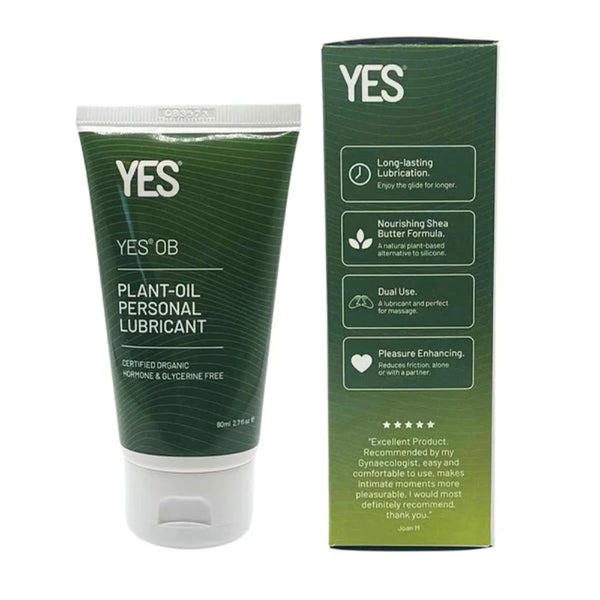
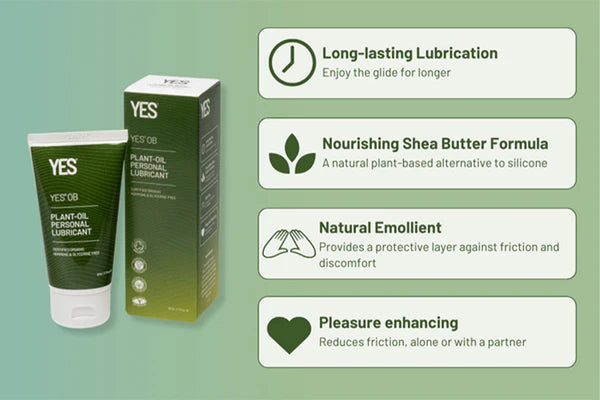
YES OB Oil-Based Lubricant is a certified organic, plant oil-based formula that works well for both daily moisturising and intimate use.
Note: oil-based products are not safe with latex or polyisoprene condoms, as they degrade the material.
Water-based lubricants - a versatile all-rounder
Water-based lubricants are compatible with all condom types and toys, and for many menopausal women they provide good comfort. They may need reapplying during longer sessions, but as a first step they're low-risk and easy to use. If you're weighing up the two main types, our silicone vs water-based lube guide walks through the decision in more detail.
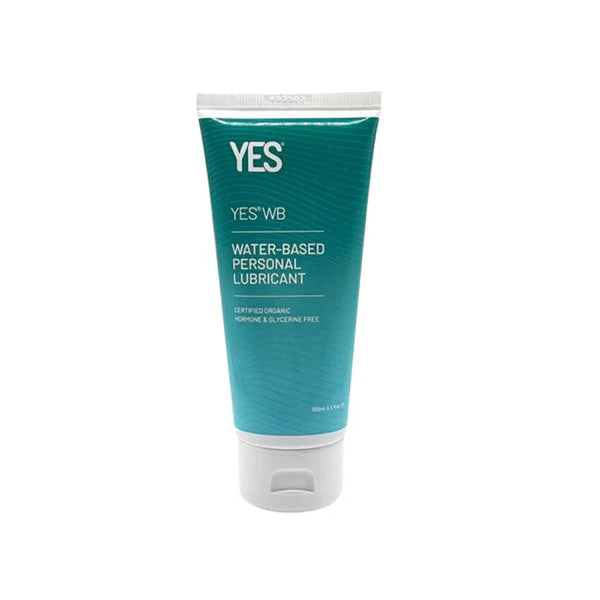
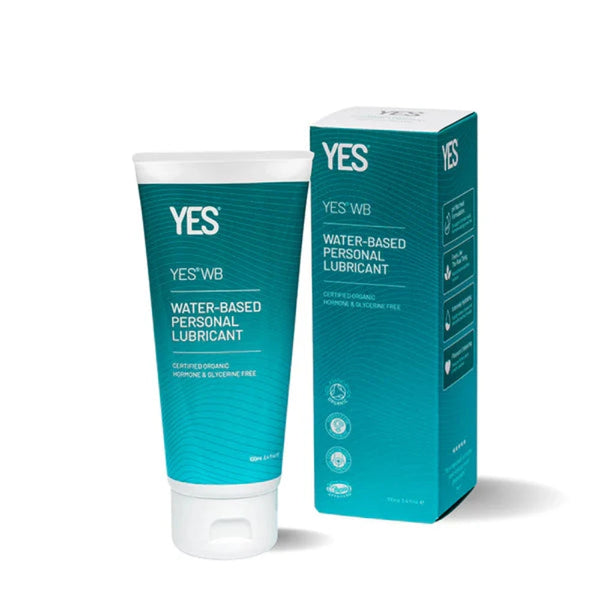
Our recommendation: YES WB Water-Based Lubricant, which is certified organic, pH-balanced, and free from glycerine and parabens.
If reapplying is the part that puts you off water-based, JO Aloe is worth a look. It carries aloe vera and hyaluronic acid on a water-based base, and because hyaluronic acid holds water the formula absorbs more slowly and stays slick for longer than a leaner one. It's still a lubricant for the moment rather than a moisturiser, so it does a different job from YES VM below. JO Agapé Original is the same base with the botanicals left out, at six ingredients, which is the one to start with if thinner tissue has been reacting to most things you try.
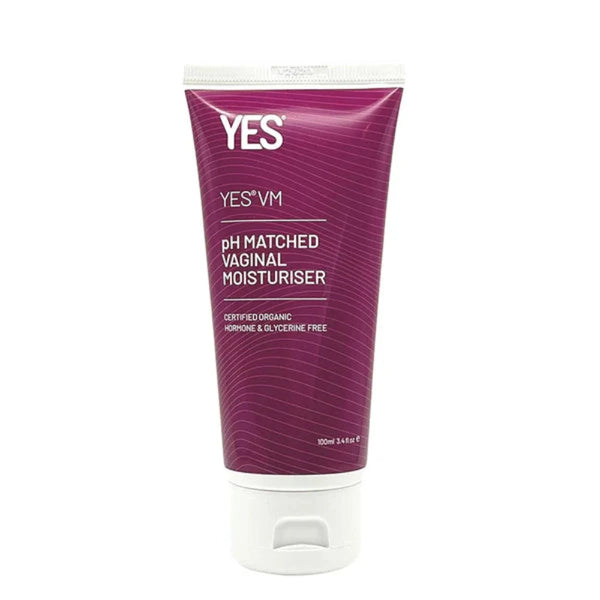
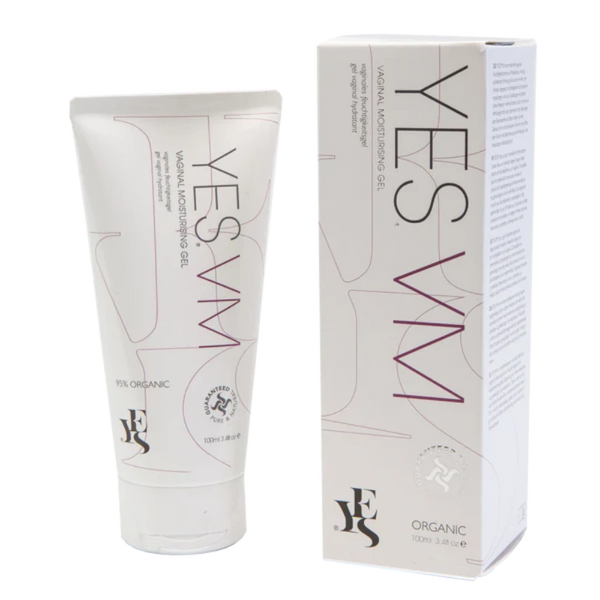
YES VM Vaginal Moisturiser - for regular use
YES VM is designed to be used regularly throughout the week as a vaginal moisturiser, not only during sex. Used 3–5 times per week, it keeps the tissue moisturised and comfortable through the week rather than only during intimacy.
It comes in gel form and convenient pre-filled applicators, which allow for internal application when dryness is more pronounced. Many women find that combining YES VM for regular moisturising with YES WB or Uberlube for intimacy gives them the best of both.
Is it safe to use lubricant during menopause?
Yes, and for most women it's one of the safest places to start. The caveat is that ingredient quality matters more after menopause, because thinner tissue is more easily irritated. Choose products that are pH-balanced and free from glycerine, parabens, and added fragrance, and skip anything marketed as warming or tingling. Those sensations come from ingredients that fragile tissue tends not to tolerate well. Every lubricant and moisturiser we stock has been chosen with menopausal tissue in mind.
How can you increase moisture during menopause?
Consistency matters more than quantity. Here's an approach many women find effective:
- 3–5 times per week - apply a small amount of vaginal moisturiser (YES VM gel, Olive & Bee, or YES OB) to the vaginal entrance and walls. Regular application over weeks keeps the tissue moisturised. The routine matters more than the amount used at any one session.
- Before or during intimacy - apply a lubricant (Uberlube, YES WB, or additional YES OB) as needed. Use generously rather than sparingly.
- If you use topical HRT - many women apply their prescribed HRT cream or pessary on the days they use it, and their moisturising cream on the alternate days. Always confirm this with your prescribing doctor before changing your routine.
If you prefer a gel moisturiser, hyaluronic acid is an ingredient worth knowing. Vaginal moisturisers containing hyaluronic acid are among the non-hormonal options the Australasian Menopause Society lists for managing GSM, and they come up again and again when women compare notes on what made the biggest difference day to day.
Worth separating out, because the label wording overlaps and it confuses a lot of people. Hyaluronic acid also appears in some lubricants, including JO Aloe. In a lubricant it's doing a mechanical job: holding water so the formula absorbs more slowly and stays slick for longer while you're using it. That is not the same product as a hyaluronic acid vaginal moisturiser applied a few times a week, which is what the paragraph above is describing. If everyday dryness is the problem rather than friction during sex, a moisturiser is the category to look at, and seeing hyaluronic acid on a lubricant label doesn't make it one.
When lubricant alone isn't enough
Lubricants and moisturisers work at a surface level. For women with more advanced vaginal atrophy (where tissue has become very thin, fragile, or inflamed) they may not provide full relief on their own.
In these cases, vaginal oestrogen therapy can restore the thickness and resilience of vaginal tissue in a way that topical products cannot. The Australasian Menopause Society outlines the options currently available in Australia, including oestriol cream, vaginal ovules, and oestradiol vaginal tablets, most of which are listed on the Pharmaceutical Benefits Scheme.
Unlike systemic HRT, vaginal oestrogen is applied locally and very little is absorbed into the bloodstream, making it appropriate for many women including those with a history of certain hormone-sensitive conditions. This is a conversation worth having with your GP.
A pelvic health physiotherapist can also help address pelvic floor muscle changes that occur during menopause and that can contribute to pain during sex even when lubrication is adequate. We've covered how these changes unfold in menopause and your pelvic floor.
Shop lubricants and moisturisers for menopause
- Olive & Bee Intimate Cream - natural daily moisturiser and lubricant
- YES OB Oil-Based Lubricant - certified organic, nourishing
- YES VM Vaginal Moisturiser - gel and applicator formats
- Uberlube - premium silicone lubricant for intimacy
- YES WB Water-Based Lubricant - gentle, organic, pH-balanced
- JO Aloe - water-based with aloe vera and hyaluronic acid, slower to absorb
- JO Agapé Original - six ingredients, no botanicals, for reactive skin
Shop the full menopause collection
If dryness, discomfort, or pain during sex isn't improving with lubricant alone, speaking with a pelvic health physiotherapist or your GP is a good next step. Effective treatments are available, and you don't have to manage this alone.
Related reading: The Best Lubricants for Dryness & Pleasure: An Australian Guide | The Best Lubricants for Postpartum and Breastfeeding