Skip to content
Menu

Personal Lubricants & Vaginal Moisturisers

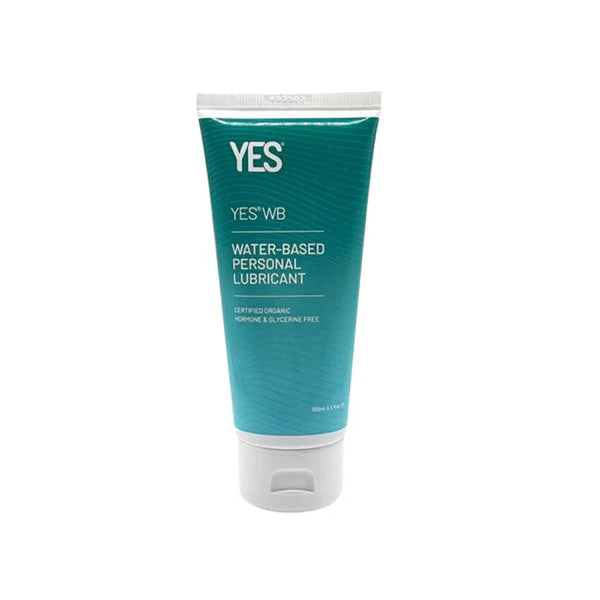
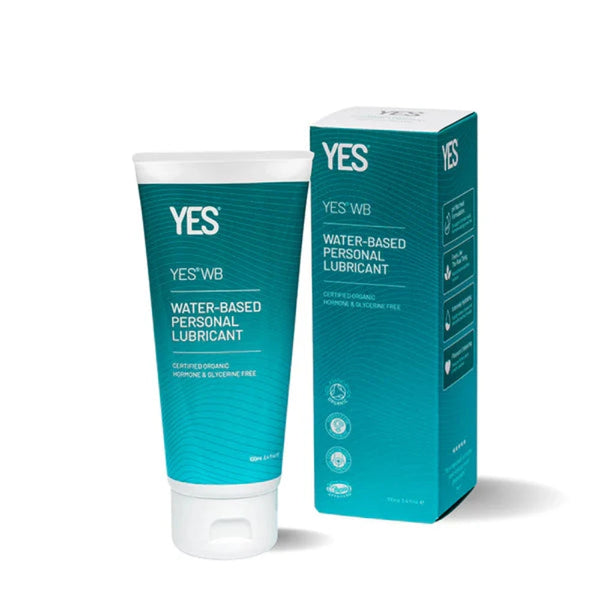
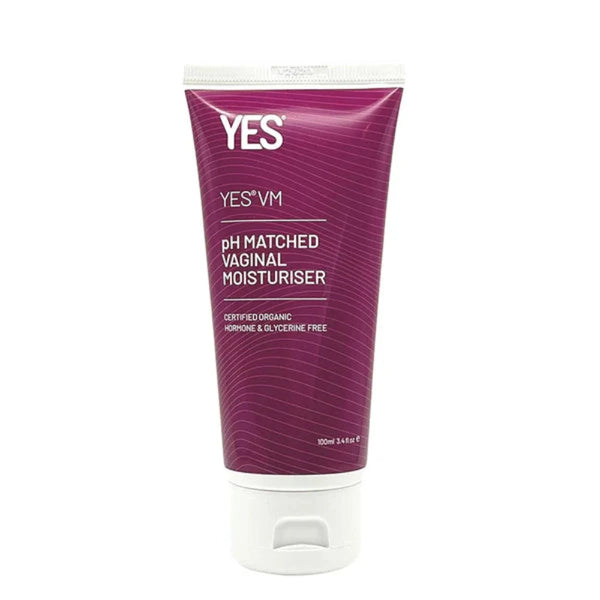
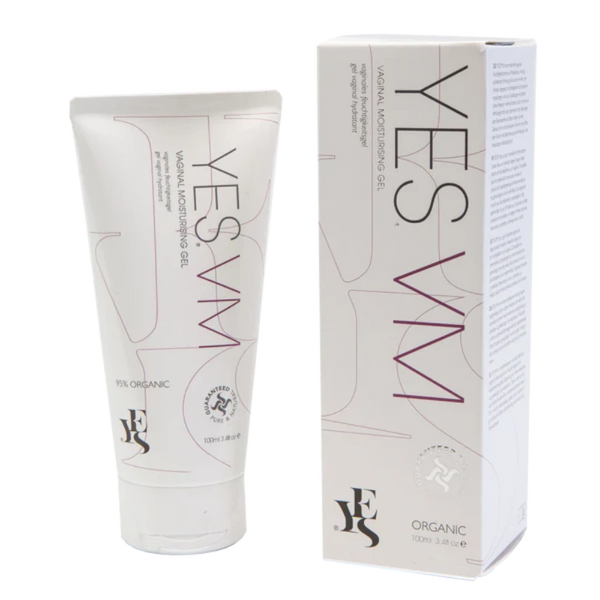
Explore our Lubricants & Vaginal Moisturisers collection, offering a range of organic, body-safe products designed for intimate comfort. Whether you need moisture for dryness, post-surgery recovery, or gentle lubrication during sexual activity, our collection features water-based, oil-based, and all-natural options. Perfect for sensitive skin, these products are free from harsh chemicals, gluten, and parabens, ensuring safe, soothing care for vaginal health. Ideal for daily use, these lubricants and moisturisers are essential for supporting comfort and wellness.

Sorted by:

Filters

Choosing a Safe Vaginal Lubricant for Comfort and Vaginal Health

Vaginal lubricants can be helpful for comfort during intimacy, pelvic floor therapy, vaginal dilator use, or managing dryness related to hormones, postpartum recovery, or menopause. Many women search for natural personal lubricants or oil-based options, but not all products are suitable for vaginal use.

The vaginal environment is sensitive and self-regulating. Using the wrong lubricant can disrupt pH, increase irritation, or raise the risk of infection. A good lubricant for women should be body-safe, compatible with condoms or pelvic health devices if needed, and free from irritating ingredients.

Water-based or silicone-based lubricants that are formulated for vaginal use are generally the safest choices. Natural oils, household products, or DIY alternatives are common online suggestions, but they are not always appropriate for vaginal health.

If dryness or discomfort is ongoing, it may be worth speaking with a pelvic health physiotherapist or GP. Lubrication concerns can sometimes reflect hormonal or pelvic floor factors rather than simply needing a different product.

Vaginal Lubricants & Personal Lubricant FAQs for Women

A personal lubricant is a product designed to reduce friction and increase comfort during sexual activity, pelvic floor therapy, or vaginal health care. Many people search “what is lubricant” or “what does lubricant do” because they are unsure when it is needed.

Lubricants can be helpful for vaginal dryness, discomfort with penetration, pelvic floor physiotherapy, and dilator therapy. They are also commonly used by women experiencing hormonal changes such as postpartum recovery, breastfeeding, perimenopause, or menopause.

The vagina naturally produces lubrication, but levels can vary due to hormones, stress, medications, and overall health. Needing lubricant is very common and not a sign of a problem.

A well-formulated vaginal lubricant can:

• Reduce friction

• Improve comfort

• Support sensitive tissues

• Make pelvic health therapy more comfortable

Importantly, not all slippery substances are safe for vaginal use. The vaginal environment has a delicate pH and microbiome that help protect against infection. Products not designed for vaginal use may disrupt this balance.

Choosing a lubricant specifically formulated for vaginal health is usually the safest option, especially for regular use.

If dryness or discomfort is persistent, it can be helpful to speak with a GP or pelvic health physiotherapist to explore possible hormonal or pelvic floor factors.

Coconut oil is often discussed online as a natural personal lubricant, and some women do use it. However, it is not designed or tested as a vaginal lubricant, so it may not be suitable for everyone.

Coconut oil is oil-based, which means it should not be used with latex condoms because oil can weaken latex and increase the risk of breakage.

It also does not match the natural vaginal pH. Some women tolerate coconut oil without issues, while others notice irritation, discomfort, or recurrent infections such as thrush. Women who are prone to vaginal infections or sensitivity may be more likely to experience problems.

Another consideration is that oil-based products can be harder to wash away from vaginal tissues and pelvic health devices.

Because of these factors, coconut oil is generally not considered a first-choice lubricant by pelvic health clinicians. Lubricants formulated for vaginal use are designed to be more predictable and gentle on sensitive tissue.

If someone chooses to try coconut oil and notices irritation, itching, or unusual discharge, it is best to stop using it and seek advice if symptoms persist.

Vaseline (petroleum jelly) is not recommended as a vaginal lubricant.

Petroleum jelly is thick and occlusive and is designed for external skin use rather than internal vaginal use. It can be difficult to fully clear from the vaginal canal.

Research has found an association between intravaginal petroleum jelly use and higher rates of bacterial vaginosis. This does not mean it causes infection in every case, but the risk is enough that most clinicians advise against using it internally.

Like other oil-based products, Vaseline is also not compatible with latex condoms because oils can weaken latex and increase the chance of breakage.

While it may seem convenient, Vaseline is not formulated for the vaginal environment. The vagina has different needs compared to external skin.

If someone is searching for a lubricant due to dryness or discomfort, a product designed specifically for vaginal use is generally a safer and more supportive choice for long-term vaginal health.

This is a very common question, especially when lubricant is not available at the time.

Household products such as oils, moisturisers, or petroleum jelly are often suggested online, but they are not ideal for vaginal use. They may cause irritation, disrupt the vaginal environment, or increase infection risk for some women.

Oil-based products are also not safe with latex condoms.

The safest option is a lubricant specifically made for vaginal use. These products are formulated to be gentle on sensitive tissues.

If dryness happens occasionally, it may relate to hydration, arousal, or temporary hormonal fluctuations. Taking time for arousal and using a small amount of lubricant can help.

If dryness is frequent or uncomfortable, it may be linked to hormonal changes, medications, postpartum recovery, or menopause. In those cases, it can be helpful to speak with a GP or pelvic health physiotherapist.

The key takeaway is that the vagina is not the same as external skin, and products designed for skin care are not designed for vaginal health.

Using vaginal lubricant is simple, and only a small amount is usually needed.

Lubricant can be applied to the vaginal entrance, to a partner, or to pelvic therapy tools such as dilators or pelvic wands. Start with a small amount and add more if needed.

Too much lubricant can sometimes reduce sensation or make pelvic therapy tools harder to control, so gradual use is helpful.

If using condoms, water-based or silicone-based lubricants are safer choices because oil-based products can weaken latex.

A lubricant should not sting or burn. If irritation occurs, it may indicate sensitivity to certain ingredients, and trying a different product can help.

Lubricant is meant to support comfort, not mask pain. Ongoing pain or discomfort should be assessed rather than ignored.

Learn More About Vaginal Lubricants & Women’s Intimate Comfort

If you’d like to better understand vaginal lubricants, personal lubricants, and how to choose the right option for comfort and vaginal health, our physiotherapist-informed guides can help. These articles explain the differences between lubricant types, when lubricant can be helpful for dryness or pelvic health, and how to select a body-safe lubricant that suits your needs. Whether you’re navigating hormonal changes, pelvic floor therapy, or simply looking for more comfort, evidence-based information can make choosing a lubricant much less confusing.

Two people lying in bed under white sheets, with their bare legs and feet visible. The bedding is slightly wrinkled, suggesting a relaxed or intimate setting. The legs are intertwined, showing a sense of closeness.

Your Guide to The Best Lubes

Discover the ultimate guide to lubricants for comfort, pleasure, and vaginal health. Learn about water-based, silicone, and oil-based lubricants, their benefits, and how they can help with menopause, dryness, and enhancing intimacy. Safe, natural options at Blossom Pelvic Health

Learn more

Your Cart

Your Cart is empty
Let's fix that

Your Wishlist