Pelvic Health Education & Resources
Welcome to our pelvic health blog, where we share evidence-based education on pelvic floor function, pregnancy and postpartum recovery, vaginal dilators, pelvic floor wands, lubrication, painful sex and bladder leakage.
Written by an Australian physiotherapist, these guides are designed to help you better understand your body, make informed decisions and choose the right products with confidence.
News
-
Nocturia: Why You Keep Waking Up to Pee (and What to Do About It)
Waking up to pee twice, three or four times a night isn't just part of being female or being over forty. It's called nocturia, and it has identifiable causes: overactive bladder, sleep apnoea, hormonal shifts, fluid timing, sometimes more serious medical issues. A pelvic physio walks through why it happens and what actually helps.
-

How to Use a Vaginal Dilator: A Step-by-Step Guide
A pelvic physio-led, step-by-step guide to using a vaginal dilator — sizing, lubrication, how often, how long and how to start comfortably. -

Pelvic wand vs vaginal dilator: which one do you actually need?
A pelvic physio's plain-language guide to the difference between a wand and a dilator. What each tool actually does, when each one fits, and how to choose if you haven't seen a physio yet.
-

Vaginal Dilators in Australia: A Comparison Guide
Vaginal dilators can feel confusing at first. This guide breaks down silicone vs plastic, tapered vs non-tapered tips, size ranges, wearable options, and when to use each so you can choose the right set for pelvic floor therapy, vaginismus, dyspareunia (painful sex), or post-surgery care.
-

Bladder Retraining: A Pelvic Physio's Step-by-Step Guide
Bladder retraining is the first-line treatment for overactive bladder. A pelvic physio's schedule, urge-suppression toolkit, and what to do between visits.
-

What Lubricant Should I Use with Vaginal Dilators?
Getting the lubricant right is one of the most practical things you can do to support your dilator therapy. This guide covers which type to use with silicone dilators, how to apply it, and which products pelvic health physiotherapists recommend. -

How to Choose an iroha Vibrator: A Soft-Silicone Buyer’s Guide
A physio-led iroha buyer's guide. External, internal, slim and partner-friendly compared, with how-to-use notes for first-timers.
-

What Causes Pain During Sex in Females? A Guide to Deep Dyspareunia
Deep pain during sex isn't random. It almost always traces back to one of a small list of pelvic structures: the cervix, uterus, pelvic floor, bladder, bowel, or the ligaments that hold everything in place. Here's how to tell which one is causing yours, and what actually helps.
-

Overactive Bladder Symptoms: A Physio's Guide to What's Really Going On (and What Actually Helps)
Some overactive bladder symptoms are obvious. Others are so woven into everyday life that women don't realise they're symptoms at all. A pelvic physio walks through the quieter signs of OAB, why they happen, and what actually helps.
-

Peri Bottle: What It Is, How to Use It and Whether You Actually Need One
A peri bottle is extremely useful during the early days post partum. Swollen or sensitive tissue is painful to wipe, so a peri bottle can be used to maintain hygiene without the pain. A hospital bag must!
-
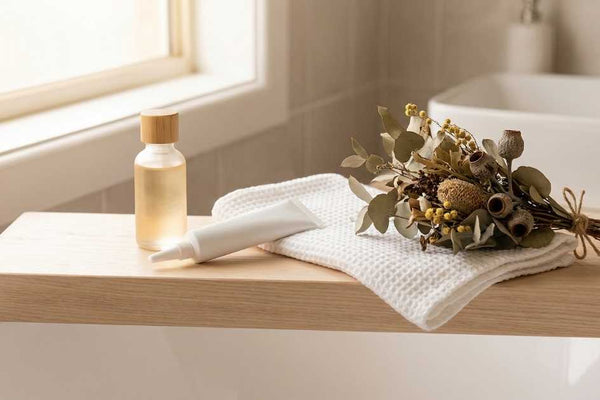
The Best Lubricants for Postpartum and Breastfeeding
Postpartum vaginal dryness is hormonal, common, and temporary — but it can make intimacy and everyday comfort genuinely difficult. This guide covers the best lubricants and vaginal moisturisers for breastfeeding and postpartum recovery, from pelvic health physiotherapy practice.
-

Lubricant for Menopause Dryness: What Actually Works
Vaginal dryness affects more than 1 in 2 women after menopause, yet most never mention it to their doctor. This guide covers the best lubricants and vaginal moisturisers for menopausal dryness — with product recommendations from pelvic health physiotherapy practice.
-

Carpal Tunnel in Pregnancy: Why Your Hands Go Numb and What Actually Helps
Why pregnancy makes your hands go numb and tingly, what helps tonight, and the warning signs that mean you should call your GP. A pelvic-health physio's evidence-based guide to carpal tunnel in pregnancy and the recovery curve after birth.
-

What a TENS Machine Can (and Can't) Do for Period Pain and Pelvic Pain
An Australian pelvic floor physio explains how a TENS machine works for period pain and pelvic pain, where to place the pads, who should avoid it, and what to buy.
-

Perifit vs Elvie: Which Pelvic Floor Trainer Is Better in Australia?
Trying to decide between Perifit and Elvie? In this detailed comparison, we break down biofeedback accuracy, comfort, postpartum suitability and bladder leak support so you can choose the right pelvic floor trainer for your body and goals.
-

How to Use Kegel Balls Safely: What They Do, and Who They're For
Kegel balls are a popular pelvic floor tool, but many women aren’t sure how to use them or if they’re right for their body. This physiotherapist-led guide explains what kegel balls do, how they work, and how to use them safely for pelvic floor strength.
-

What is a pelvic wand used for? A physio's guide to benefits, conditions, and safe use
Learn what a pelvic wand is used for, how it helps pelvic floor tension and pelvic pain, and how to use one safely with physiotherapist guidance.
-

Silicone vs Water Based Lube: Quick Guide to Choosing (and Buying) the Right One
Choosing the right lubricant can make intimacy more comfortable and enjoyable. Here’s a quick guide to help you decide between silicone and water based lubes so you can find the perfect match for your body and your needs.
-

Why Olive and Bee Intimate Cream is a Gentle, Natural Choice
Olive and Bee Intimate Cream is a natural, Australian-made lubricant and vaginal moisturiser developed by a physiotherapist. With just olive oil and beeswax, it’s gentle, long-lasting, and trusted for sensitive skin. Discover why so many women’s health professionals and customers recommend Olive & Bee.
-

Ohnut Australia Review: How Depth-Limiting Rings Work for Comfort During Sex
Pelvic floor physio review of Ohnut depth-limiting rings — how they work, who they're for, and where they fit alongside pelvic health practice in Australia. -

Symphysis Pubis Dysfunction (SPD) in Pregnancy
Pelvic girdle pain (PGP) is a common concern during pregnancy, affecting 1 in 5 women. Among its more specific conditions is Symphysis Pubis Dysfunction (SPD), which often causes sharp, shooting pain at the front of your pelvis or groin. The good news? There are effective strategies to relieve the pain and help you feel more comfortable throughout your pregnancy. -

How to Treat Vaginismus at Home
Vaginismus is a condition that affects many individuals, often causing frustration, discomfort, and even feelings of isolation. But you’re not alone—vaginismus is a treatable condition, and with the right support and exercises, healing is possible. In this blog, we’ll explore the causes, symptoms, and ways you can regain comfort and control over your body. -

Menopause and Your Pelvic Floor
Menopause introduces a whole new set of changes to a woman’s life. We often talk about hot flushes, trouble sleeping, and mood swings—but did you know there’s also a connection between menopause and your pelvic floor health? -

The Best Lubricants for Dryness & Pleasure: An Australian Guide
Not sure which lubricant is right for you? We break down water-based, silicone, and oil-based options for dryness, menopause, postpartum recovery, and intimacy — with ingredient guidance and product recommendations from pelvic health physiotherapy practice.
-

Overactive (Hypertonic) Pelvic Floor Muscles in Endometriosis: A Guide for Endo Warriors
Overactive (hypertonic) pelvic floor is one of the most common pelvic floor patterns in endometriosis. A pelvic health physio explains why the muscles tighten, the symptoms to look for, and what actually helps, covering down-training, dilators, pelvic wands, vibration tools, TENS, and when to see a pelvic floor physio.
-

Vulvar Varicosities in Pregnancy: What They Are and What Actually Helps
Vulvar varicosities affect up to 22% of pregnant women. Learn why they happen, what helps (including compression support), and when they resolve after birth. -

How to Use a Pelvic Wand
Pelvic pain, often accompanied by discomfort during sexual activity, can significantly impact quality of life. Common culprits include muscle spasm and overactivity, hypersensitivity and scar tissue affecting the pelvic floor and vulva. These "tissue issues" can restrict blood flow, irritate nerves, and limit flexibility, leading to pain and dysfunction.