Skip to content
Menu
A pregnant woman in a beige bra, gently holding her bare belly with both hands, against a soft peach background. A pregnant woman in a beige bra, gently holding her bare belly with both hands, against a soft peach background.

Pregnancy Support Products

Pregnancy asks a lot of your body. This page brings together support belts, compression garments and everyday comfort essentials for each stage of pregnancy, alongside the items many women set aside for the birth itself. The guides below point you to the corner of the range you need.

Sorted by:
Showing 39 of 39 products

Filters

Pelvic support during pregnancy

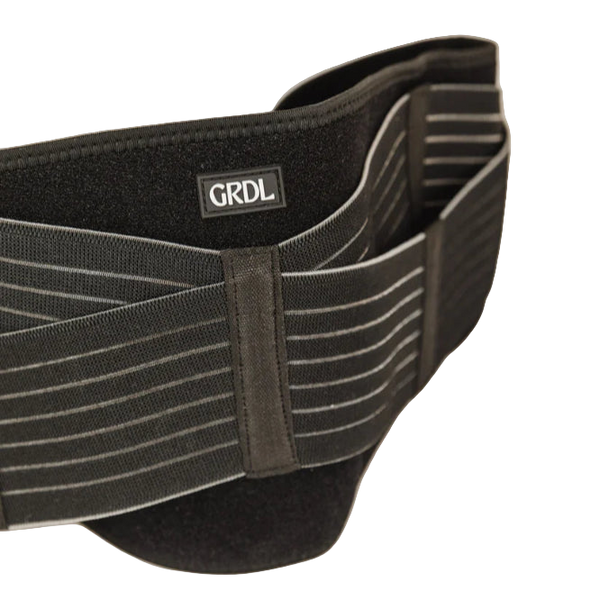
Support garments in pregnancy fall into two camps: belts that give firm, targeted hold, and compression garments that spread gentler, all-day support around the pelvis. Compare the full range of pregnancy support belts, bands and braces, or start with SRC Health compression for garment-style support you can wear under clothes. If the ache sits in the pelvic joints themselves, pelvic girdle pain support narrows things down.

A woman in a gray tank top and black shorts demonstrates wearing the Serola Belt - Pregnancy Sacroiliac Belt by Serola, fastening the Velcro strap around her hips for SI joint support and lower back pain relief while smiling at the camera.
The Bubba Bump Peri Care Bundle — Complete Postpartum Perineal Recovery Kit includes disposable underwear, witch hazel wipes, and a pink peri bottle, arranged on a wooden stand for easy access and soothing comfort.

Pregnancy essentials, stage by stage

What counts as pregnancy essentials changes by trimester. Early on it's mostly comfort; by the third trimester the list shifts to the birth itself. From around 34 weeks, many women start gathering birth preparation products and packing hospital bag essentials, so both have their own dedicated pages here.

Everyday comfort in pregnancy

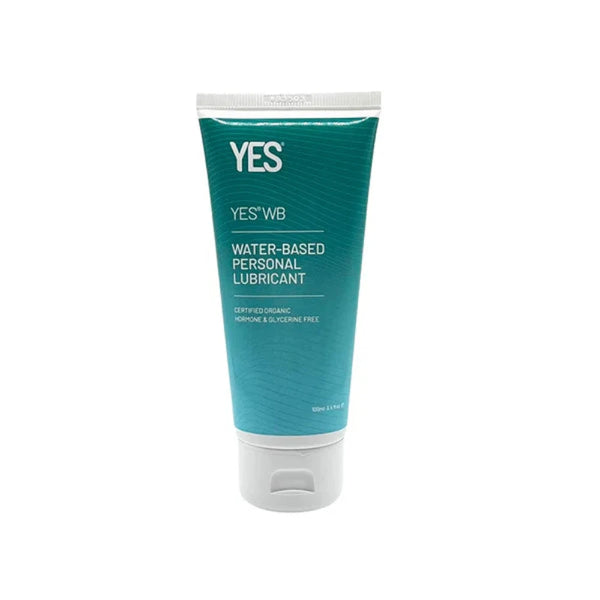
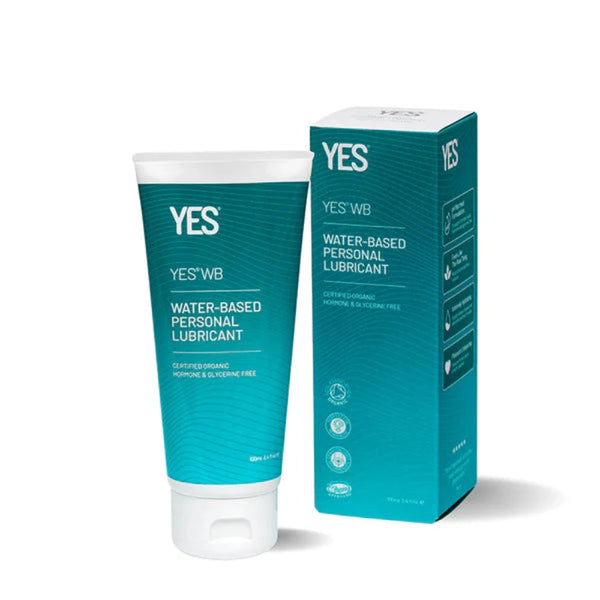
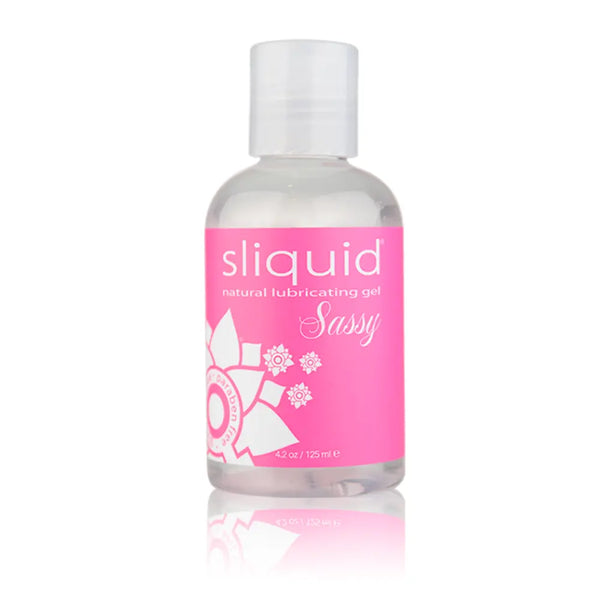
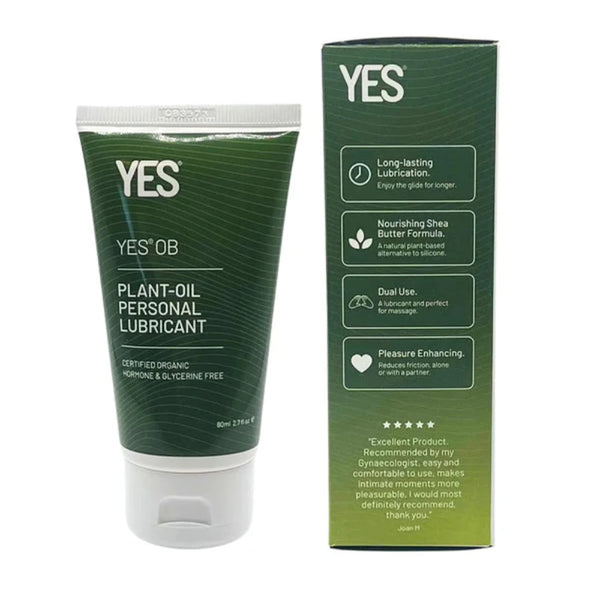
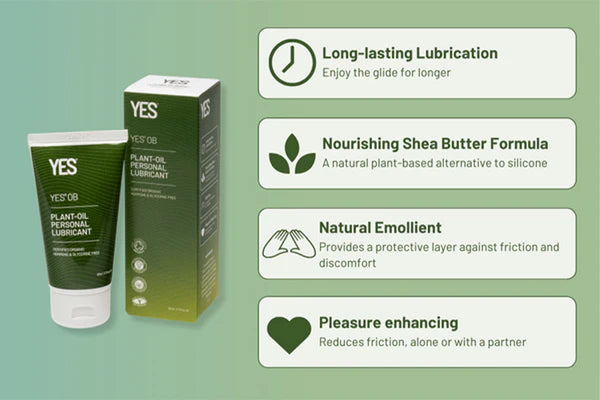
Alongside garments, this range carries the smaller comforts: certified-organic and water-based intimate lubricants, a daily intimate moisturising cream, herbal teas many women enjoy in the final trimester, and simple exercise gear for staying active. Pressure symptoms lower down have their own corners of the range too — see vulvar varicosities support and haemorrhoid and constipation comfort in pregnancy.

Physio-led support, from pregnancy to postpartum

Blossom Pelvic Health was founded by a physiotherapist focused on pelvic health, and this page anchors the pregnancy range. Condition-specific corners include round ligament pain support and back pain in pregnancy, and once the baby arrives, postpartum recovery products pick up where this page leaves off. Because of the intimate nature of these products, we don't accept change-of-mind returns. If an item arrives faulty or damaged, email hello@blossompelvichealth.com.au and we'll look after you. Some items, like SRC garments, have specific exceptions; see our returns policy for the full detail.

Pregnancy support questions, answered

It depends on your stage and symptoms. Many women add a support garment once the bump starts to feel heavy, keep comfort items like intimate moisturisers on hand through the middle months, and gather birth and hospital items from around 34 weeks. A pelvic health physiotherapist can help you prioritise.

There's no fixed week. Most women reach for support when the bump's weight starts to change how walking, standing or work feels, often in the second trimester. If pelvic or back symptoms arrive earlier, support can start earlier; follow the fitting guide for your garment.

Most maternity garments are sized on your pre-pregnancy clothing size or current measurements, and are built to adjust as the bump grows. Check each product's sizing guide, measure at the points it asks for, and size for now rather than where you expect to be.

Pregnancy compression garments are designed for day-long wear, and most women treat them like regular clothing, taking them off to sleep. Follow the manufacturer's wear guidance for your specific garment, and mention it to your midwife or physiotherapist if you're unsure what suits your stage.

Pressure and heaviness are common late in pregnancy as the load on the pelvis increases. Many women use supportive garments, pace their time on their feet, and raise the symptom with their midwife or physiotherapist, since pressure can have several causes worth checking properly.

From around 34 to 36 weeks, most Australian maternity services suggest having your hospital bag packed and paperwork sorted. Alongside that, many women organise perineal massage supplies, colostrum syringes if their midwife has suggested antenatal expressing, and recovery items for the first weeks at home.

Common pregnancy symptoms, explained

Physio-written reading on the aches and pressure symptoms that often show up during pregnancy.

Symphysis pubis dysfunction (SPD) in pregnancy — blog feature image

Symphysis pubis dysfunction (SPD) in pregnancy

What's behind pain at the front of the pelvis in pregnancy, and the day-to-day changes that make it more manageable.

Read more
Vulvar varicosities in pregnancy — blog feature image

Vulvar varicosities in pregnancy

Why heaviness and pressure can build low in the pelvis, and where support garments fit into managing the load.

Read more

Your Cart

Your Cart is empty
Let's fix that

Your Wishlist