Skip to content
Menu

Sex After Birth & C Section: When It’s Safe, Why It Hurts & Postpartum Sexual Health Support

Resuming sex after birth is one of the most searched postpartum questions. Whether you delivered vaginally or by C section, it is completely normal to wonder how long after birth you can have sex, whether sex is safe at 4 or 6 weeks postpartum, and why sex might hurt or cause bleeding.

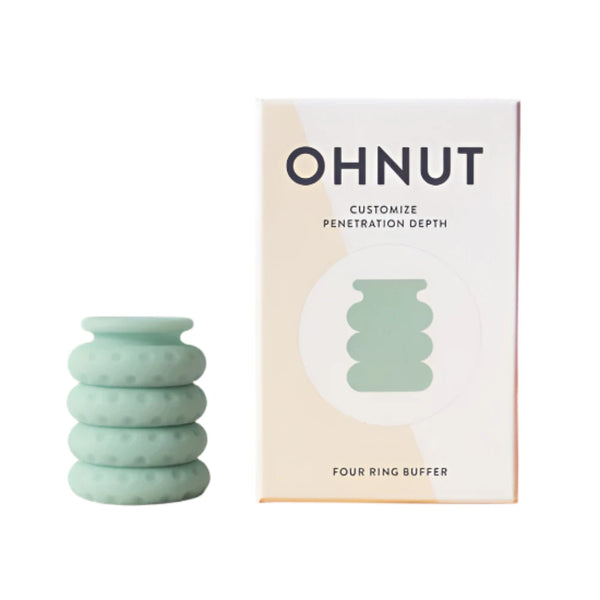
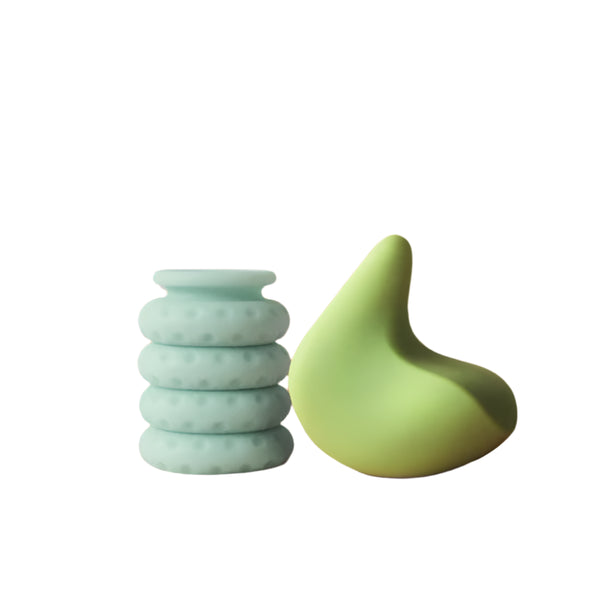
Postpartum sex can feel different due to hormonal changes, tissue healing, pelvic floor tension and breastfeeding related dryness. This collection brings together physiotherapist recommended products to support comfort, confidence and gradual recovery. From high quality lubricants and moisturising intimate creams to depth limiting rings and gentle arousal devices, these options are designed to reduce friction, protect healing tissue and help intimacy feel safer and more comfortable as your body recovers.

Sorted by:
Showing 36 of 36 products

Filters

Understanding Postpartum Sex: Healing, Hormones & Why It Feels Different

Being medically cleared at six weeks postpartum does not automatically mean sex will feel comfortable. The postpartum period involves significant physical and hormonal adjustment.

After birth, the uterus heals internally while oestrogen levels drop sharply. If you are breastfeeding, oestrogen remains lower for longer, which can lead to vaginal dryness, thinner tissue and increased sensitivity. This is one of the most common causes of painful postpartum sex, even months after delivery.

Pelvic floor muscles may also feel tight or protective after pregnancy. Even women who had a C section can experience pelvic floor tension, as these muscles supported increased weight and pressure for nine months. Scar tissue from vaginal tears, episiotomy or abdominal surgery can also influence sensation.

Many women search about bleeding after sex postpartum or pain during sex at 6 weeks, 3 months or later. Mild spotting or discomfort can occur early on, but persistent pain or heavy bleeding should be assessed.

Gradual progression, generous lubrication, reduced depth and improved communication are often key steps in returning to sex comfortably. With the right support, most women can rebuild confidence and comfort over time.

Postpartum Sex FAQs: Safety, Pain, Bleeding & Low Sex Drive After Birth

One of the most common questions women search is how long after birth can you have sex. While many people are told to wait six weeks postpartum, it is helpful to understand why this timeframe is commonly recommended.

After birth, the area where the placenta was attached leaves a large healing surface inside the uterus. This internal area gradually repairs over the first several weeks. In the early postpartum period, the cervix has not fully closed and vaginal bleeding, known as lochia, is still occurring. During this time, the risk of infection is higher.

For this reason, most health professionals recommend waiting until around six weeks before returning to penetrative sex. This allows the uterus to heal, bleeding to significantly reduce, and any perineal tears or stitches to recover.

However, six weeks is not a magic switch. Some women may not feel physically or emotionally ready at that point, while others may feel comfortable slightly earlier if healing is progressing well. The most important factors are that bleeding has settled, wounds have healed, and you feel ready without pressure.

If you choose to resume sex, start gently. Use generous lubrication, avoid deep penetration initially, and communicate clearly with your partner. Mild discomfort can be common early on, but significant pain or heavy bleeding should be assessed by a health professional.

There is no prize for returning to sex quickly. Allowing your body time to heal reduces complications and supports a more comfortable and confident return to intimacy.

Many women are surprised to experience painful sex after a C section. A common assumption is that if there were no vaginal stitches, penetration should feel normal. In reality, postpartum pain during sex is influenced by hormonal changes, tissue healing and pelvic floor muscle response, not just the type of delivery.

After birth, oestrogen levels drop significantly. If you are breastfeeding, oestrogen remains lower for longer. This can cause vaginal dryness, thinning of vaginal tissue and increased sensitivity. Even at 6 weeks, 3 months or later, sex can feel dry, burning or sharp if lubrication is insufficient.

Pregnancy itself also places sustained pressure on the pelvic floor. Even without a vaginal birth, these muscles may feel tight, guarded or overactive. This can create a sensation of resistance or discomfort during penetration.

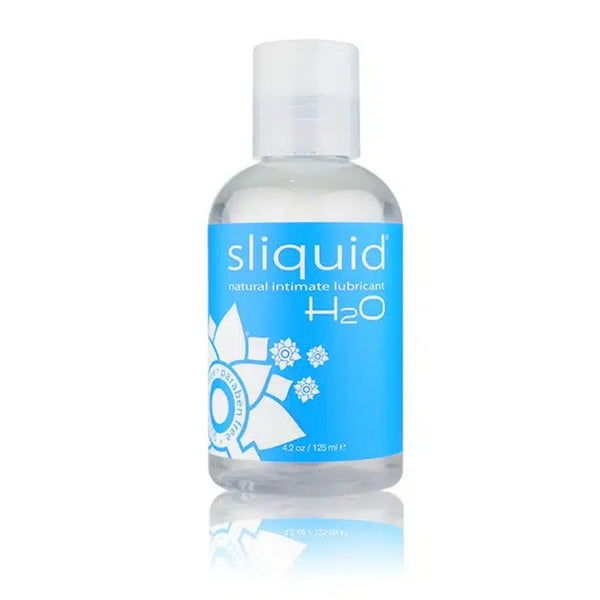
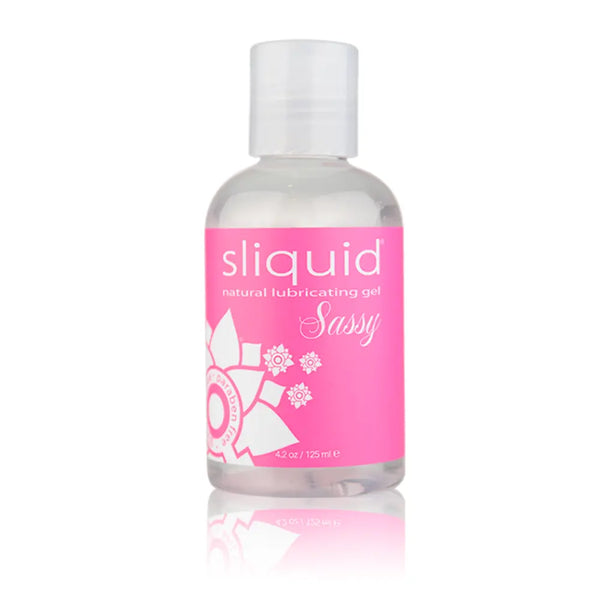
The first and most effective step in reducing painful postpartum sex is addressing friction. Generous lubrication dramatically improves comfort. Many women benefit from exploring different formulas depending on their symptoms. Water based options may suit mild dryness, while silicone based lubricants often provide longer lasting glide when friction is the main issue.

If you are unsure which formula is right for you, our guide on how to choose the right lubricant explains the differences between water based, silicone and hybrid options, and when each may be helpful.

You can also explore our full lubricant collection to find options designed for sensitive tissue, breastfeeding related dryness and post birth comfort.

If pain persists beyond the early postpartum period despite good lubrication and gradual return, pelvic floor physiotherapy can assess muscle tension or scar sensitivity contributing to discomfort. Painful sex after birth is common, but it is treatable.

Bleeding after sex postpartum is one of the most common concerns women search about. Light spotting in the early months after birth can occur, particularly if vaginal tissue is still fragile or dry.

In the weeks following birth, the uterus is still healing internally. If penetrative sex occurs before lochia has fully settled, some additional spotting may occur. Hormonal changes, especially during breastfeeding, can also make vaginal tissue thinner and more prone to minor irritation from friction.

Light pink or brown spotting that settles quickly may not be concerning. However, bright red bleeding, heavy bleeding that soaks a pad, clots, fever or strong pelvic pain are not considered normal and should be assessed promptly.

If bleeding happens repeatedly after intercourse, dryness is often a contributing factor. Insufficient lubrication increases friction on delicate tissue, which may trigger minor bleeding. Increasing lubrication, slowing penetration and choosing positions that reduce depth can significantly reduce strain on healing areas.

If you are experiencing dryness or discomfort, exploring different lubricant types can make a meaningful difference. Our lubricant collection includes water based, silicone and hybrid options suitable for postpartum sensitivity. If you are unsure where to start, our detailed lubricant guide explains how to choose the right lube based on your symptoms and goals.

If bleeding continues several months postpartum, such as at 2 or 3 months after birth, or feels heavier than light spotting, medical review is important to rule out infection or other causes.

Mild spotting can occur, but persistent or heavy bleeding after postpartum sex should never be ignored.

Many women search when can you have sex after a C section because they assume recovery is different from a vaginal birth. While there may be no perineal stitches, internal healing still takes time.

After any birth, the uterus is repairing the placental site and the cervix gradually closes over several weeks. Vaginal bleeding, known as lochia, may continue for up to six weeks. Because of this internal healing process, most health professionals recommend waiting until around six weeks before resuming penetrative sex, even after a caesarean section.

In addition to uterine healing, abdominal surgery recovery also plays a role. C section scars can feel tight or tender, and core muscles are still regaining strength. Certain positions may place pressure through the abdominal wall, which can feel uncomfortable early on.

Even if your recovery has been smooth, it is important to go slowly. Use generous lubrication, avoid deep penetration initially and choose positions where you can control movement and depth.

Remember that being medically cleared does not mean you must feel ready. Emotional readiness, sleep levels and physical comfort all matter. A gradual return to intimacy often leads to a more positive experience than rushing the process.

Many women feel reassured when they reach the six week postpartum check, only to discover that sex still hurts. This is very common and does not mean something is wrong.

The six week timeframe simply reflects a general healing milestone. It does not mean hormones have normalised, pelvic floor muscles have fully recovered or scar tissue sensitivity has resolved.

Low oestrogen levels, especially if breastfeeding, can cause dryness and tissue sensitivity well beyond six weeks. Pelvic floor muscles may remain tight or protective after pregnancy and birth. Scar tissue from tearing, episiotomy or even internal stretching can also contribute to discomfort.

If sex hurts at 6 weeks postpartum, start with the basics. Use more lubrication than you think you need. Consider trying a longer lasting silicone based lubricant if friction is the main issue. Slow penetration and reduced depth can also significantly improve comfort.

If pain continues or if you are concerned, a pelvic health physiotherapy assessment can identify muscle tension, scar restrictions or nerve sensitivity contributing to pain.

Painful postpartum sex is common, but it is not something you need to accept long term.

Your Cart

Your Cart is empty
Let's fix that

Your Wishlist