Skip to content
Menu

Vaginal Birth Recovery

The first couple of weeks after a vaginal birth mostly come down to good perineal care: keeping the area clean, cool and supported while your body recovers. This range covers cooling perineal packs, peri bottles, witch hazel wipes, disposable underwear and graduated compression garments for the postpartum weeks.

Sorted by:
Showing 14 of 14 products

Filters

Perineal ice packs for the first few days

Cold is the standard first comfort measure for a swollen perineum: midwives commonly suggest a wrapped ice pack for around 20 minutes at a time, every few hours, for the first three days. The Bubba Bump perineal ice and heat packs are ARTG-listed (374111), shaped for the job and reusable, a tidier option than homemade padsicles, and they double as warm packs later.

Peri bottles and witch hazel wipes, explained

An upside-down peri bottle lets you rinse with warm water while you wee, which many women find takes the sting out of the first bathroom trips, and it works with stitches. Between showers, the witch hazel postpartum recovery wipes are an ARTG-listed cleansing wipe (392212) for gentle perineal cleaning. Both also come in the Peri Care Bundle.

Sitting, cooling and the first bathroom trips

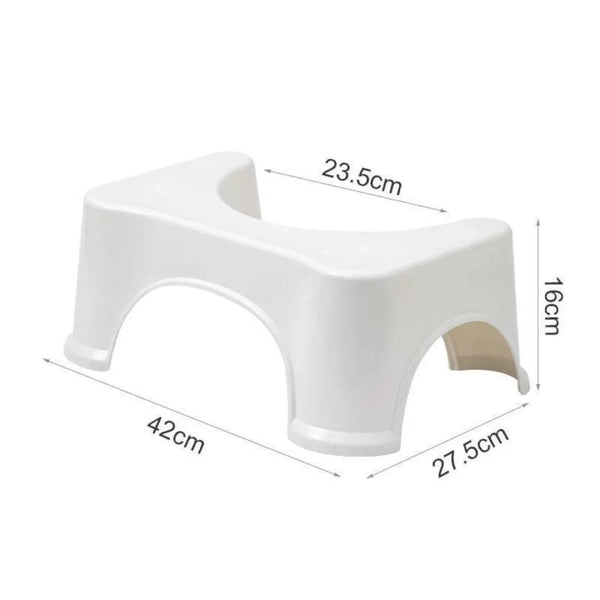
Comfort in week one is mostly about not pressing on sore tissue: sit on something soft, lean to one side, and keep a cooling pack handy. A footstool that raises your knees above your hips supports a more natural squatting position while everything is tender. If haemorrhoids are part of your recovery picture, that's one for your midwife, GP or pharmacist.

The BIEN Toilet Stool by BIEN Australia is a white plastic ergonomic stool featuring a U-shaped cutout in the middle. It measures 42 cm in width, 27.5 cm in depth, has a U-shaped cutout width of 23.5 cm, and stands 16 cm tallβ€”designed to promote natural bowel movements and alleviate constipation.

The wider postpartum recovery range

Blossom Pelvic Health was founded by a physiotherapist focused on pelvic health, and perineal care is one part of the picture. SRC's postpartum recovery shorts and leggings are ARTG-listed graduated compression (341087) and sit with our postpartum recovery garments; the postpartum recovery products hub covers the rest, and after a caesarean, start with c-section recovery products. We don't accept change-of-mind returns on intimate products. If an item arrives faulty or damaged, email hello@blossompelvichealth.com.au and we'll look after you. Some items, like SRC garments, have specific exceptions; see our returns policy.

Perineal recovery questions, answered

It varies with the birth and any tearing. Grazes often settle within a week or two, while stitched tears usually feel much better within a few weeks as the stitches dissolve on their own. If pain is increasing rather than easing, check in with your midwife or GP.

Cold first: a wrapped ice pack for around 20 minutes at a time, every two to four hours, is standard advice for the first 72 hours of swelling. Never put ice directly on skin. After the first few days, some women prefer gentle warmth for comfort.

Many women start wearing SRC recovery shorts in the first days after birth, and they're designed with postpartum recovery in mind. Check the sizing and fitting guide before you order, and if your birth involved complications, ask your midwife, obstetrician or physiotherapist first.

Yes, that's exactly what it's for. Rinsing with warm water while you wee dilutes the urine passing over healing skin, which many women find far more comfortable than wiping. Pat dry gently afterwards and change pads regularly to keep the area clean.

Most women lean on a small kit: cooling packs, a peri bottle, big comfortable underwear with maternity pads, and loose clothes. Compression garments help some women feel supported day to day. Keep it simple; you can top up once you know how your recovery is tracking.

Contact your midwife, GP or hospital if pain gets worse instead of better, your wound smells or oozes, you have a fever, weeing becomes difficult, or you can't control wind or bowel motions. For heaviness, pain or leaking beyond six weeks, see a pelvic health physiotherapist.

More on recovery after birth

Practical reading for the fourth trimester, from the first shower to getting intimacy comfortable again.

Peri bottle guide β€” Blossom blog hero image

The complete peri bottle guide

How the upside-down design works, when you'll use it most, and what to look for before you buy one.

Read more
Postpartum and breastfeeding lubricant guide β€” Blossom blog hero image

Lubricant after birth and while breastfeeding

Why hormones can leave things drier than usual after birth, and how to choose a lubricant while feeding.

Read more

Your Cart

Your Cart is empty
Let's fix that

Your Wishlist