Hot flushes get all the attention. So do the broken sleep and the mood swings. But the pelvic floor (the sling of muscle that holds up your bladder, bowel and uterus) goes through menopause too, and almost nobody warns you about it.
Falling oestrogen can leave you with bladder leaks, a heavy dragging feeling, or sex that suddenly hurts. None of it means something is wrong with you. And very little of it is something you simply have to put up with. Here's what's actually happening, and what helps.
How does menopause affect your pelvic floor?
Menopause officially begins once you've gone 12 months without a period. For most women that lands somewhere between 45 and 55. The changes usually start earlier though, during perimenopause, when hormone levels begin to swing around and oestrogen starts to fall.
Oestrogen does a great deal of quiet work in this part of the body. It keeps the tissues of the vagina, vulva and urethra thick, stretchy and well supplied with blood, and it helps the pelvic floor muscles do their job of supporting the bladder, bowel and uterus. As levels drop, those tissues get thinner, drier and less elastic. The vaginal walls can lose some of their natural stretch and lubrication, which is why sex can start to feel uncomfortable, and why the bladder and vagina become a bit more prone to irritation and infection.
This cluster of changes has a clinical name: genitourinary syndrome of menopause, or GSM. It's the umbrella term for the dryness, the painful sex, the urinary urgency and the recurrent UTIs that so often turn up together. Naming it matters, because it's treatable, not just something to endure.
What are the signs of pelvic floor problems in menopause?
As your hormones shift, you might notice one or several of these:
- Bladder leaks - a little urine escaping when you cough, sneeze, laugh or exercise.
- Urgency and frequency - needing to go often, rushing to make it, or getting up through the night.
- Vaginal dryness - less natural lubrication, sometimes with a raw or burning feeling.
- Pain or discomfort during sex - especially with penetration.
- A heavy, dragging or bulging sensation - which can be a sign of prolapse.
- Lower libido - a common knock-on effect of the hormonal shift.
- Trouble controlling wind - or, less often, bowel motions.
These are common, and they're not a life sentence. The right approach depends on what's actually driving them, which brings me to the question most articles skip.
Is your pelvic floor weak, or too tight?
This is the part that often gets missed. Menopause is so often blamed on a weak pelvic floor that the standard advice is "do your Kegels". For some women that's exactly right. For others it's the worst thing they could do.
A menopausal pelvic floor can also become overactive — tight, tense and unable to fully relax. Tight muscles cause a lot of the same symptoms as weak ones: urgency, pelvic pain, pain with sex, even a feeling of pressure. The difference is that squeezing a muscle that's already clenched makes it worse, not better.
This is the single biggest reason a proper assessment is worth it. A pelvic health physiotherapist can feel whether the muscles are weak, tight, or a mix of both, and point you toward strengthening or releasing the tension accordingly. Guessing tends to send people in the wrong direction for months.
Do pelvic floor exercises help during menopause?
When they're matched to the problem, yes. For a weak floor, pelvic floor muscle training has strong evidence behind it for reducing leaks and improving bladder control.
A basic exercise is simple: gently draw up and squeeze the muscles you'd use to stop yourself passing wind and urine, hold for a few seconds, then fully let go. The letting-go is just as important as the lift. Start with a handful at a time and build slowly. If you'd like more structure or feedback, weighted Kegel balls and trainers can make the work easier to stick with.
If your floor turns out to be tight rather than weak, the priority shifts to down-training and gentle stretching, sometimes with the help of a pelvic wand, rather than more squeezing. Again, knowing whether your floor is weak or tight makes all the difference.
How do you ease painful sex and dryness?
Painful, dry sex is one of the most common things women raise with me around menopause, and one of the most fixable. It helps to separate two jobs: moisturising and lubricating.
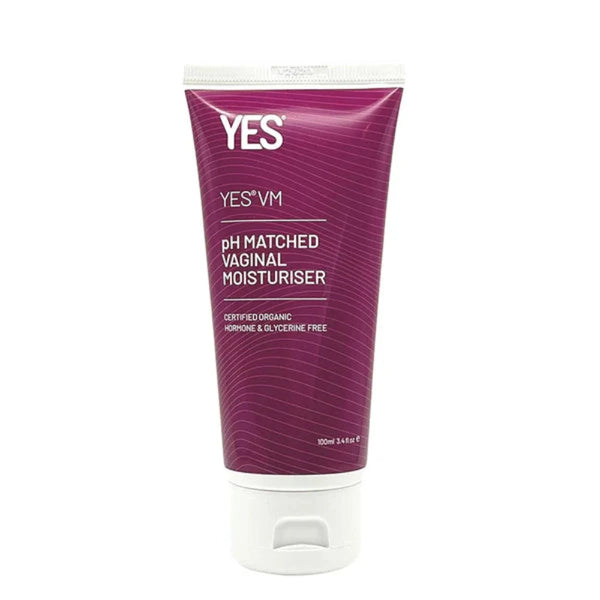
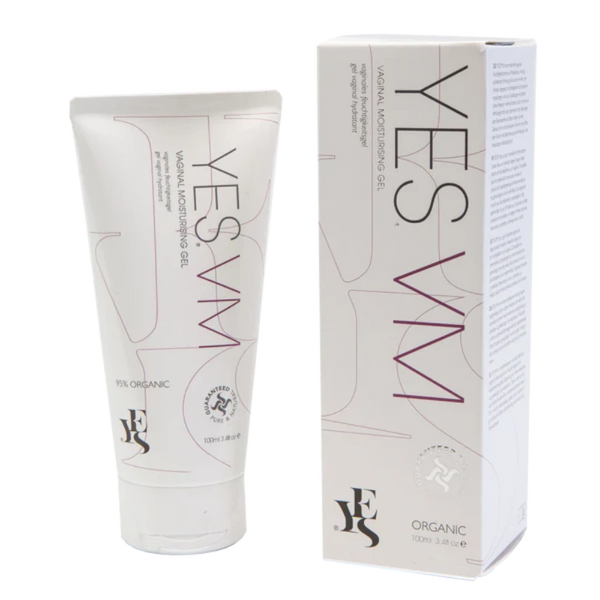
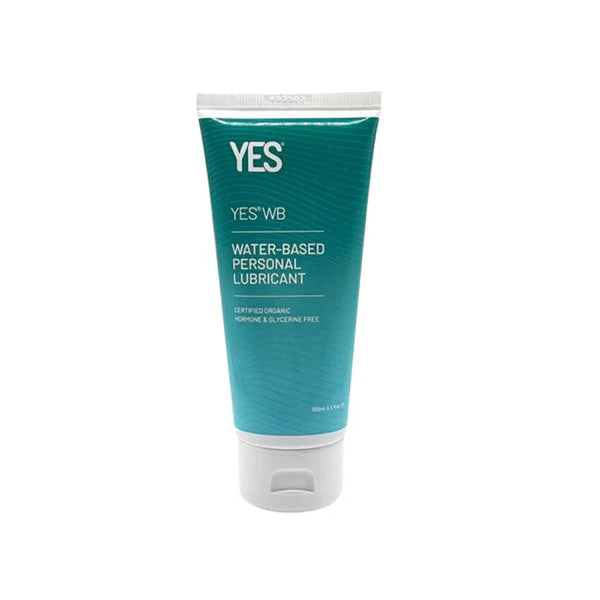
A vaginal moisturiser is used regularly, every few days, to keep the tissue itself hydrated over time. Natural options like Olive & Bee Intimate Cream or a YES vaginal moisturiser can be applied around the opening, the labia and inside the vagina. A lubricant is used in the moment, to cut friction during sex. A water-based lubricant such as YES water-based is a good starting point, though it's worth trying oil and silicone-based ones too to see what feels best. Our guide to choosing a lubricant walks through the differences, and we've written separately about the best lubricants for menopause dryness in Australia if you want specific recommendations.
A few other things help:
- Stay active intimately - regular arousal and orgasm keep blood flowing to the pelvic tissues, which helps keep them healthier. Many clinicians find a gentle, quiet vibrator useful here.
- Keep the tissues supple - if dryness and tightness are making penetration painful, vaginal dilators are a gentle, non-invasive way to gradually restore comfort and stretch at your own pace.
You can browse the full menopause range if you'd like to see what we stock for this stage.
Does HRT or vaginal oestrogen help?
It can, and there's solid evidence behind it. An International Urogynecological Association committee opinion on the effectiveness of hormones in postmenopausal pelvic floor dysfunction sets out where hormone treatment makes a difference. This is where the dryness, the painful sex and the bladder symptoms often turn a corner together. Because GSM is driven by low oestrogen, replacing a little of it locally treats the cause rather than just managing the symptoms.
Topical vaginal oestrogen, prescribed as a cream or pessary, works directly on the tissue: it helps restore some thickness and natural lubrication, and can ease urinary urgency and cut down recurrent UTIs. It's a prescription treatment, so it's a conversation to have with your GP. The International Urogynecological Association has a plain-language patient leaflet on low-dose vaginal oestrogen therapy if you'd like to read up before that appointment. Systemic HRT helps with the whole-body symptoms of menopause, but local vaginal oestrogen is the more targeted option for the genitourinary side of things.
It isn't an either/or with pelvic floor work. They complement each other. Oestrogen looks after the tissue; the physiotherapy and exercises look after the muscle and how it works.
When should you see a pelvic floor physiotherapist?
A good rule of thumb: if you've got persistent symptoms anywhere from your lower belly to your thighs (leaks, pressure, a dragging feeling, pain, or painful sex), that's worth a proper assessment rather than soldiering on.
A pelvic health physiotherapist can assess whether your pelvic floor is weak or tight, assess the condition of your tissues, and give you the right exercises rather than generic ones, then help you manage incontinence, prolapse and pain. They can also work on the elasticity and function of the tissues over time, which makes a real difference to comfort and bladder control.
Menopause isn't the end of pelvic floor health. It's the point where it pays to start paying attention. Whether you're deep in perimenopause or years past your last period, the tissue still responds to good care, and you don't have to accept leaks or painful sex as "just your age". There's almost always something that helps.
References
Jean Hailes for Women's Health. Menopause. Accessed April 2026.
Portman DJ, Gass MLS. Genitourinary syndrome of menopause: new terminology for vulvovaginal atrophy from the International Society for the Study of Women's Sexual Health and The North American Menopause Society. Menopause. 2014;21(10):1063–1068.
Lethaby A, Ayeleke RO, Roberts H. Local oestrogen for vaginal atrophy in postmenopausal women. Cochrane Database of Systematic Reviews. 2016, Issue 8. Art. No.: CD001500.
Australasian Menopause Society. Genitourinary Syndrome of Menopause – Information Sheet. Accessed April 2026.
International Urogynecological Association. Low-Dose Vaginal Estrogen Therapy. Accessed April 2026.
International Urogynecological Association Research and Development Committee. Effectiveness of hormones in postmenopausal pelvic floor dysfunction — Committee Opinion. Accessed June 2026.
Continence Foundation of Australia. Statistics on incontinence. Accessed April 2026.
Gleason JL, Richter HE, Redden DT, Goode PS, Burgio KL, Markland AD. Caffeine and urinary incontinence in US women. International Urogynecology Journal. 2013;24(2):295–302.
Dumoulin C, Cacciari LP, Hay-Smith EJC. Pelvic floor muscle training versus no treatment, or inactive control treatments, for urinary incontinence in women. Cochrane Database of Systematic Reviews. 2018, Issue 10. Art. No.: CD005654.