If you're using vaginal dilators as part of pelvic floor therapy — for vaginismus, dyspareunia, post-surgical recovery, or persistent pelvic pain — lubricant isn't optional. It's a core part of how the work actually feels.
Short on time? Every dilator-safe option in this guide lives in our lubricants and vaginal moisturisers collection.
Using a dilator without enough lubrication creates unnecessary friction and discomfort. For women already working through pain, fear, or tension around penetration, that friction can reinforce the very cycle the therapy is trying to settle. Getting the lubricant right is one of the most practical things you can do for your own comfort and progress.
Why lubricant matters for dilator therapy
Vaginal dilators are commonly used in pelvic floor therapy to gently introduce the body to penetration in a controlled, low-pressure way. For that to feel manageable, insertion needs to be as smooth as possible.
Without enough lubrication:
- Friction causes soreness and discomfort
- Discomfort reinforces the protective tension the therapy is trying to ease
- The dilator drags on delicate tissue, which can cause minor irritation
- Progress feels harder than it needs to
A well-lubricated insertion should feel smooth and manageable. If it doesn't, the first thing to check is whether you're using enough, and whether you're using the right type.
Which lubricant to use with dilators
Water-based: the standard recommendation
Water-based lubricant is the recommended choice for silicone vaginal dilators, including the Intimate Rose range we stock.
Silicone lubricant should not be used with silicone devices. The two materials interact at the surface and the texture of the dilator degrades over time. Water-based lubricant is safe with silicone, easy to reapply, and gentle on sensitive tissue. It rinses away with warm water and leaves no residue.
What to look for in a water-based lubricant for dilator use:
- Glycerin-free — glycerin can trigger thrush in women who are prone to it, which matters when dilator sessions are happening daily
- Paraben-free
- pH-balanced
- No fragrances or flavourings
- Available as a gel if you prefer — thicker formulas stay where you put them and are easier to apply to the dilator
Our picks for dilator use
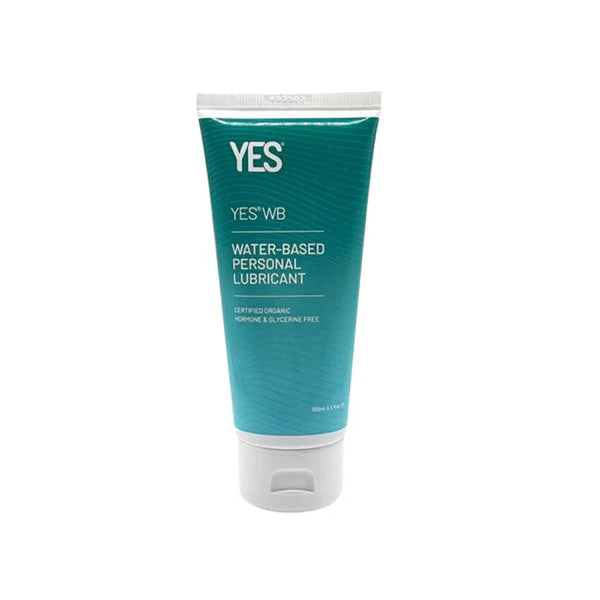
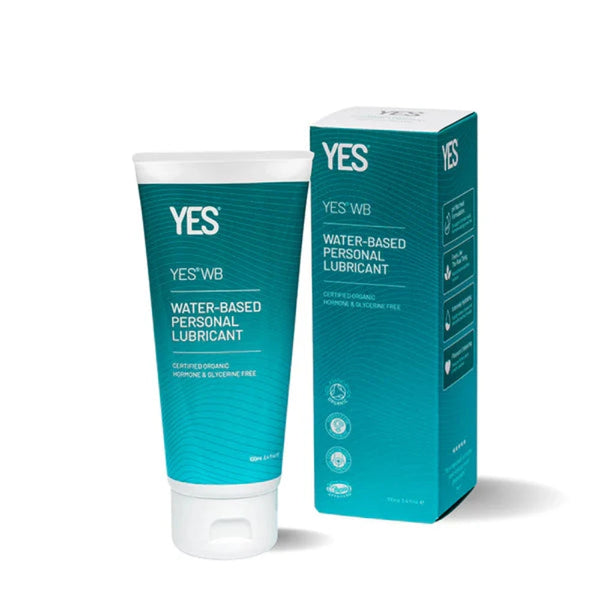
YES WB Water-Based Lubricant — certified organic, pH-balanced, glycerin-free, paraben-free. One of the lubricants pelvic health physiotherapists reach for most often for dilator work. Feels natural and isn't sticky.
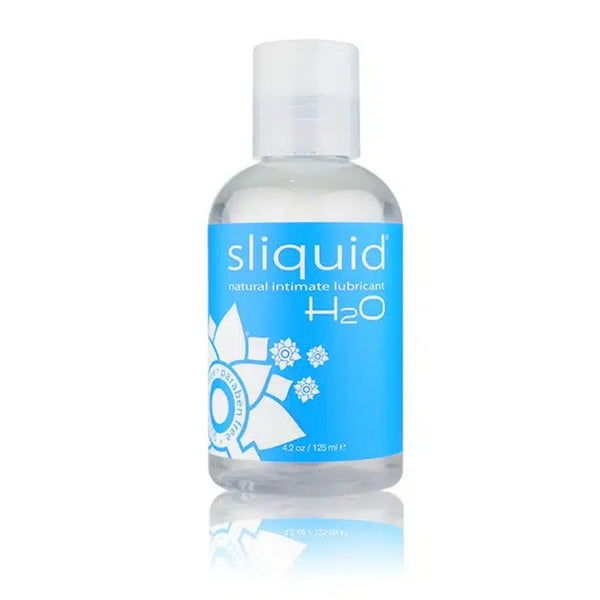
Sliquid H2O — clean, simple water-based formula. Glycerin-free, paraben-free, fragrance-free. Thin enough to apply easily.
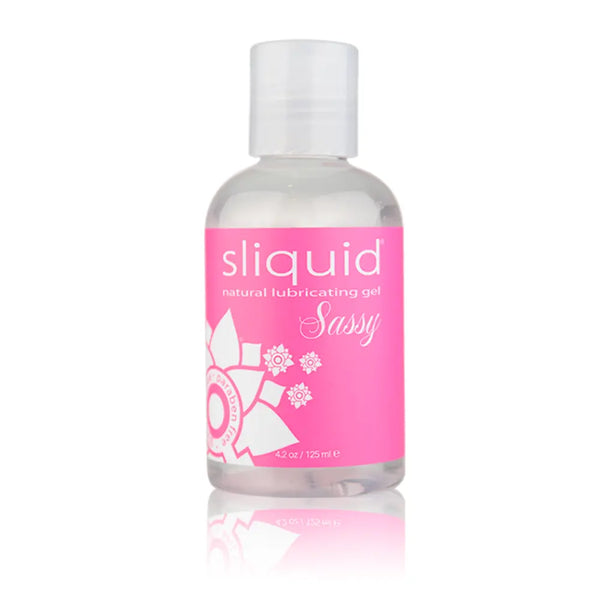
Sliquid Sassy — ultra-thick water-based formula. Stays where you put it on the dilator and doesn't run, which is what most women find they want for dilator sessions.
Sliquid Satin — a moisturising water-based formula that conditions as well as lubricates. Useful if vaginal dryness is contributing to discomfort during dilator sessions.
JO Aloe — aloe vera and hyaluronic acid on a water-based base. The hyaluronic acid holds water, so it absorbs more slowly than a leaner formula and holds its cushion for longer. Worth a look if you find yourself stopping to reapply partway through a session. Glycerin-free, paraben-free, fragrance-free, and safe on silicone.
JO Agapé Original — the same water-based base with the botanicals left out, at six ingredients. The one to start with if you react to a lot of intimate products, since there's no aloe or plant extract in it at all. Comes in a 30ml purse size, which is handy if you're travelling mid-programme.
What NOT to use with dilators
- Silicone lubricant — degrades the surface of silicone dilators. Don't use the two together.
- Oil-based lubricants (with silicone dilators) — oils also degrade silicone over time.
- Petroleum jelly (Vaseline) — not designed for vaginal use, hard to clean off dilators, and associated with higher rates of bacterial vaginosis when used internally.
- Kitchen oils — not formulated for vaginal use and not appropriate with silicone devices.
- Flavoured or scented lubricants — common irritants with no place in pelvic floor therapy.
How to apply lubricant for dilator therapy
Step 1: Apply a generous amount to the tip and upper third of the dilator. More is better, especially early on. You can wipe excess off later — too little is the more common problem.
Step 2: Apply a small amount to the vaginal entrance as well. That's where the most friction is on insertion.
Step 3: Insert slowly and gently, breathing steadily. If you feel resistance, pause and check whether more lubrication would help. Adding more mid-session is completely fine.
Step 4: For longer sessions, reapply as needed. Water-based lubricants absorb into the skin over time, so keep the bottle within reach. Adding a few drops of water can also revive what's already there.
Step 5: After your session, clean the dilator according to the manufacturer's instructions. Water-based lubricant rinses away easily with warm water and mild soap.
If dilator therapy still feels hard despite using lubricant
Lubricant solves friction. It doesn't solve pelvic floor muscle tension, the body's fear response, or the pain cycle — all of which sit underneath conditions like vaginismus and dyspareunia.
If you're stuck progressing through sizes, feeling pain beyond mild discomfort, or noticing significant anxiety around the process, working with a pelvic health physiotherapist directly is the most effective way forward. Dilator therapy guided by a physio progresses considerably faster and more comfortably than working from written instructions alone.

Browse our full vaginal dilators collection and our pelvic wands collection, which are also used alongside lubricant for pelvic floor muscle release.
Related reading: The Best Lubricants for Dryness & Pleasure: An Australian Guide | The Best Lubricants for Postpartum and Breastfeeding
Shop lubricants for dilator therapy
Working through pelvic floor therapy at home and finding it harder than expected? A pelvic health physiotherapist can make a meaningful difference to your progress and your comfort.