Skip to content
Menu

Weak Pelvic Floor Strengthening Products

Leaks with a cough, sneeze or jump are the classic sign of a weak pelvic floor. This range covers graduated Kegel weights and pelvic floor muscle exercisers used in pelvic physiotherapy strengthening programs, app-connected trainers that show your technique in real time, and a pessary that supports bladder control on active days.

Sorted by:
Showing 10 of 10 products

Filters

Signs of a weak pelvic floor

Common signs include leaking with coughs, sneezes or exercise, needing the toilet urgently or often, reduced sensation during sex, and a pelvic floor that tires quickly. Symptoms overlap with other conditions, including an overly tight pelvic floor, so an assessment with a pelvic physiotherapist is the most reliable way to confirm weakness before you start training.

A woman doing a core exercise on an exercise ball, resting on her elbows and engaging her abdominal muscles.

How weighted pelvic floor exercisers work

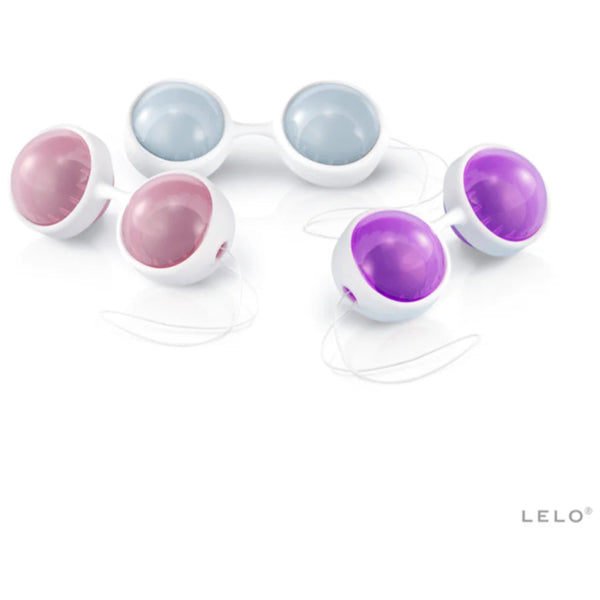
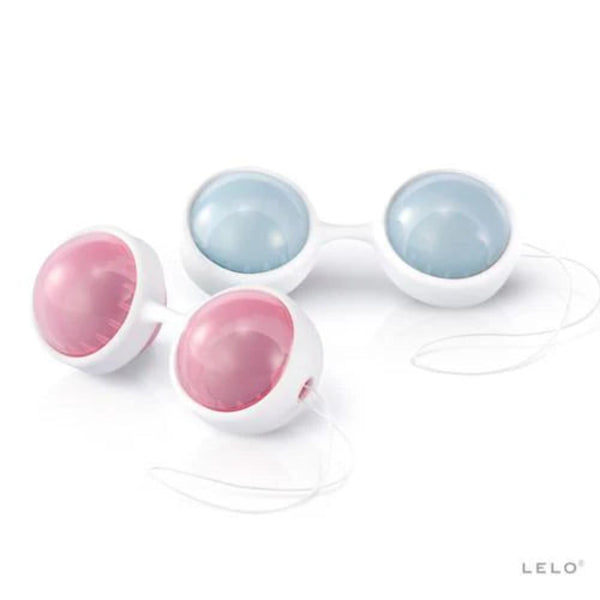
A weighted exerciser gives your muscles something to hold: as you move, the internal weight cues your pelvic floor to contract, turning short daily wear into structured practice. Graduated sizes let you progress as control improves. Our weighted exerciser sets step through the levels, and the Intimate Rose set is the usual starting point in this grid.

Real-time feedback for Kegel technique

Many people push down when they mean to lift, which is why technique feedback matters. App-connected trainers read the contraction and show it live on your phone, so you can correct your Kegel technique on the spot, and game-style sessions make daily practice easier to stick with. Compare the app-connected trainer range, including both Perifit models.

A person in a light pink top holds a smartphone and the Perifit Kegel Exerciser – Smart Pelvic Floor Trainer by Perifit with a white cord, showcasing pelvic floor training tools against a soft, light background.
Contiform Starter Pack — three sizes of reusable intravaginal pessary (Small, Medium, Large) with silicone retrieval ribbon and paper instructions, ARTG-listed in Australia

Bladder support while you build strength

Strength work takes weeks, so extra support in the meantime can matter: the Contiform pessary sits like a tampon and is designed to help manage stress urinary incontinence symptoms during activity. Blossom Pelvic Health was founded by a physiotherapist focused on pelvic health, and the wider at-home pelvic floor therapy tools hub covers release and stretching options too, with prolapse support products on their own page.

Pelvic floor training questions, answered

Weakness shows as leaking with coughs or jumps and a heavy, tired feeling. Tightness shows as pelvic pain, difficulty starting your stream or pain with penetration. The two can coexist, so have a pelvic physiotherapist assess you; if tightness fits, start with our tight and hypertonic pelvic floor range.

Both are training aids, so it comes down to how you like to practise. Weights suit short, structured daily sessions and progress by size; app-connected trainers suit people who want live technique feedback and game-style motivation. Plenty of programs use one then the other as control improves.

Give it months rather than days. Australian continence guidance suggests most people notice change within a few weeks of daily practice, with full benefit typically closer to three months or more of consistent training. Progress varies person to person, which is why physios review and adjust programs along the way.

You can practise Kegels and use the training aids here on your own. An assessment is worth it: a pelvic physiotherapist confirms you're contracting correctly, rules out tightness that Kegels can aggravate, and tailors how often to train. You don't need a GP referral to see one privately in Australia.

Gentle pelvic floor activation is generally encouraged in the early days after birth, but wait for your six-week postnatal check before introducing weights or an internal trainer, or longer if your care team advises it. A women's health physio can clear you and set a starting level.

Because of the intimate nature of these products, we don't accept change-of-mind returns. If your item arrives faulty or damaged, email hello@blossompelvichealth.com.au and we'll look after you. Full details, including what's covered under Australian Consumer Law, are in our returns policy.

Keep reading on pelvic floor strength

Two guides from the Blossom team that go deeper than a category page can.

How to use Kegel balls — blog card image (weak-pelvic-floor collection)

How to use Kegel balls

Step-by-step technique, wear time, and the mistakes that stall progress when you're starting weighted training.

Read more
Perifit vs Elvie comparison — blog card image (weak-pelvic-floor collection)

Perifit vs Elvie: which trainer suits you?

The two app-connected trainers compared on feedback style, comfort and app experience, so you can pick a fit.

Read more

Your Cart

Your Cart is empty
Let's fix that

Your Wishlist