Search for a natural personal lubricant and you'll find conflicting advice almost straight away. Some sources recommend coconut oil. Others suggest plain aloe vera gel. Olive oil, vitamin E oil, and various kitchen staples get mentioned regularly too.
Some of these are fine. Others can cause irritation, disrupt vaginal health, or set off recurrent infection. The challenge is that the word "natural" on a lubricant label means very little in Australia — it isn't a regulated term — so working out what to trust takes a closer look at the actual ingredient list.
This guide covers what genuinely natural means in a lubricant context, why DIY alternatives often fall short, and which properly formulated natural products are safe and effective for intimate use. The formulated ones are all in our natural lube and personal lubricant collection.
What does "natural" actually mean on a lubricant label?
In Australia, a personal care product can describe itself as natural regardless of its ingredients. There's no regulatory definition or certification required to use the word.
For a lubricant to genuinely earn that description, it should contain plant-derived ingredients, be free from synthetic preservatives like parabens, contain no synthetic fragrances, and ideally hold a recognised organic certification — such as ACO (Australian Certified Organic), USDA Organic, or Soil Association — which requires third-party verification of ingredient sourcing and manufacturing.
Clinical guidance also recommends that lubricants for vaginal use be pH-balanced (typically 3.8 to 4.5) and free from glycerin and glycols, which can damage vaginal epithelial cells at higher concentrations according to research referenced in WHO guidance on personal lubricants.

DIY lubricants: an honest look
Coconut oil
Coconut oil is probably the most commonly suggested DIY intimate lubricant. It's smooth, easy to find in any kitchen, and has been discussed online for long enough that many people assume it's a mainstream clinical recommendation.
The clinical picture is more cautious. Kitchen coconut oil is oil-based, which means it isn't safe with latex or polyisoprene condoms — oil degrades latex and increases the risk of condom failure, as noted by Healthdirect Australia. It doesn't match vaginal pH either, which can disrupt the vaginal microbiome in some women. Some women tolerate it well; others end up with irritation, recurrent thrush, or unusual discharge.
Beyond the pH question, kitchen coconut oil isn't manufactured or tested for vaginal use. Purity, freshness, and consistency vary between brands and batches in a way that clinical products don't.
A better option: YES COCO Oil Applicators are formulated specifically for intimate use, using coconut-based ingredients designed and tested for vaginal application. Pre-filled applicators make them hygienic and easy to use.

Olive oil
Olive oil has nourishing skin properties and has been used historically as a lubricant. The concerns are similar to coconut oil — it isn't pH-matched, isn't tested for vaginal use, and isn't compatible with latex condoms. The quality and freshness of kitchen olive oil also varies considerably.
A better option: Olive & Bee Intimate Cream contains pure olive oil as its primary ingredient, developed by an Australian women's health physiotherapist specifically for intimate use, combined with beeswax for the right texture and stability. It's the cream in our natural vaginal moisturisers range. Read our full Olive & Bee guide for more detail.

Aloe vera gel
Pure aloe vera is used as a lubricant base in several well-regarded clinical products and is generally well-tolerated. The issue with generic aloe vera gels from pharmacies or health food stores is that many contain alcohol, fragrances, preservatives, or other additives that are fine for skin but unsuitable for vaginal tissue.
A better option: Sliquid Organics Natural and Sliquid Organics Natural Gel are certified organic aloe-based lubricants formulated specifically for vaginal use, without the additives that make general-purpose aloe gels problematic.
JO Aloe is another aloe-based option worth knowing about. It runs to eight ingredients, with aloe barbadensis leaf juice and hyaluronic acid on a water-based base, and no glycerin, propylene glycol, parabens or fragrance. It doesn't carry organic certification, so it doesn't clear the bar in the checklist below on that count, but the list is short enough to read in one go.
One thing worth saying plainly: aloe is itself a common allergen, and it's the most likely thing to react to in any aloe-based formula. If you've had trouble with several intimate products, a formula with no botanical extracts at all is the safer starting point. JO Agapé Original is the same water-based base with the aloe and hyaluronic acid left out, at six ingredients.

Petroleum jelly (Vaseline)
Petroleum jelly isn't natural, isn't suitable for vaginal use, and isn't safe with latex condoms. It's hard to fully remove from vaginal tissue, and research has found an association between internal use and higher rates of bacterial vaginosis. It shouldn't be used as a lubricant.
Body moisturisers and lotions
Body moisturisers are formulated for skin, not for vaginal tissue. The vagina has a different pH, a different microbiome, and different needs to external skin. Using body lotion as a lubricant can cause irritation, infection, and microbiome disruption.
What to look for in a genuinely natural lubricant
- Certified organic — third-party verified ingredient sourcing, the most reliable indicator of a genuinely natural product
- pH-balanced — formulated to match the vaginal environment (pH 3.8 to 4.5 for vaginal use)
- Glycerin-free — common in mainstream lubricants, including many marketed as natural; at higher concentrations it can damage vaginal epithelial tissue
- Paraben-free — synthetic preservatives that research has linked to inhibition of beneficial vaginal Lactobacillus bacteria
- No fragrances or flavourings — nothing scented belongs in or near the vagina
- Short, recognisable ingredient list — fewer ingredients generally means lower risk of reaction
Our recommended natural lubricants
Olive & Bee Intimate Cream — two ingredients: pure olive oil and beeswax. Developed by an Australian women's health physiotherapist. No preservatives, no synthetics, no glycerin. Works as both a daily vulval moisturiser and intimate lubricant. Not suitable with latex condoms or silicone toys.
YES COCO Oil Applicators — a properly formulated coconut-based lubricant in pre-filled applicators. Specifically designed for intimate use. Oil-based, so not safe with latex condoms.
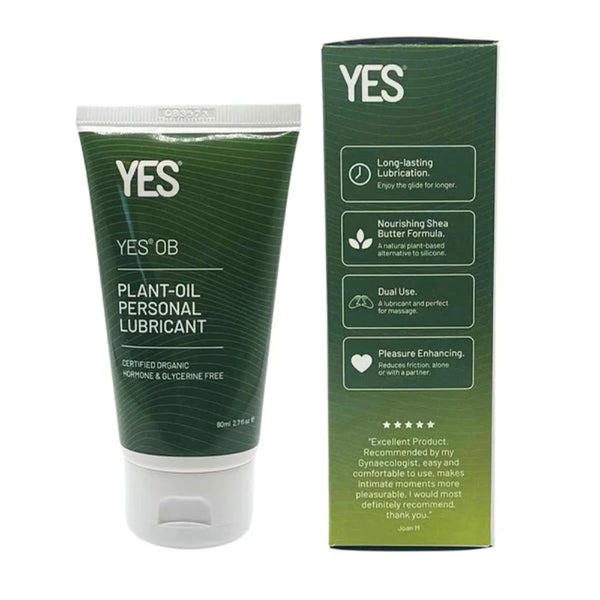
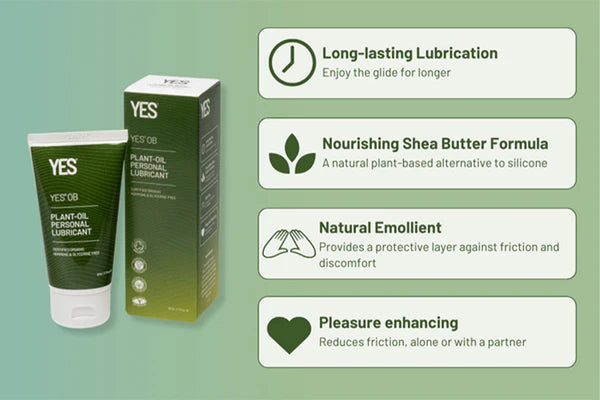
YES OB Oil-Based Lubricant — certified organic, plant-oil based. Works well for both daily moisturising and intimate use. Not suitable with latex condoms.
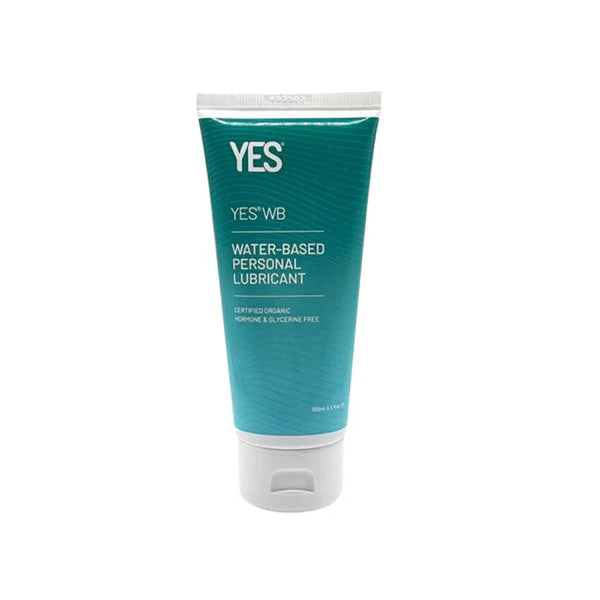
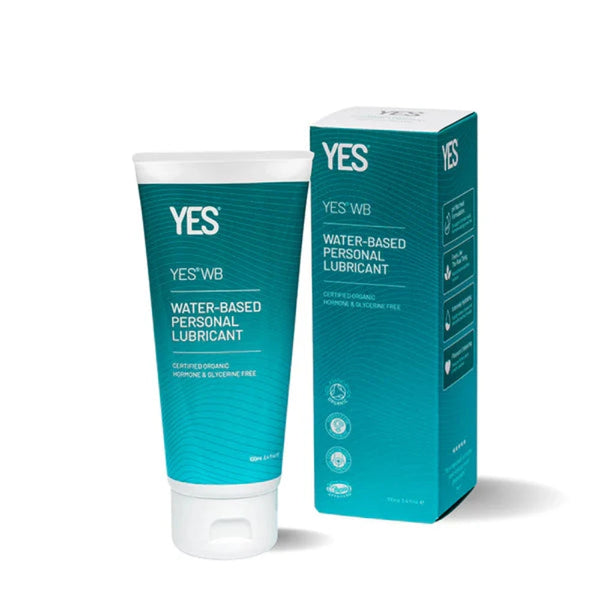
YES WB Water-Based Lubricant — certified organic, water-based, pH-balanced, glycerin-free. Safe with all condom types and silicone toys.
Sliquid Organics Natural — certified organic aloe-based lubricant. Glycerin-free, paraben-free, safe with condoms and silicone toys.
Sliquid Organics Natural Gel — the same certified organic aloe vera formula in a thicker gel consistency. Easy to apply to vaginal dilators or pelvic wands.
JO Aloe — aloe vera and hyaluronic acid on a water-based base, eight ingredients. Not certified organic, but glycerin-free, paraben-free and fragrance-free, and safe with condoms and silicone toys. Comes in 60ml, 120ml and 240ml.
JO Agapé Original — six ingredients and no botanical extracts at all, which makes it the one to try if aloe is the thing you react to. Water-based, safe with condoms and silicone toys.
Natural lubricants by use case
Everyday intimacy, safe with condoms: YES WB or Sliquid Organics Natural
Daily vulval moisturising: Olive & Bee or YES OB
Menopause dryness: Olive & Bee, YES OB, or YES WB
Sensitive skin: Sliquid Organics Natural, Olive & Bee, or JO Agapé Original if you react to botanicals
Vaginal dilator or wand therapy: Sliquid Organics Natural Gel, YES WB, or JO Aloe
Natural coconut-based option: YES COCO
Shop all natural and organic personal lubricants
Related reading: The Best Lubricants for Dryness & Pleasure: An Australian Guide | Lubricant Ingredients to Avoid: A Guide to Reading the Label | Why Olive and Bee is a Gentle, Natural Choice