Pelvic Health Education & Resources
Welcome to our pelvic health blog, where we share evidence-based education on pelvic floor function, pregnancy and postpartum recovery, vaginal dilators, pelvic floor wands, lubrication, painful sex and bladder leakage.
Written by an Australian physiotherapist, these guides are designed to help you better understand your body, make informed decisions and choose the right products with confidence.
News
-

How to Treat Vaginismus at Home
Vaginismus is a condition that affects many individuals, often causing frustration, discomfort, and even feelings of isolation. But you’re not alone—vaginismus is a treatable condition, and with the right support and exercises, healing is possible. In this blog, we’ll explore the causes, symptoms, and ways you can regain comfort and control over your body. -

Menopause and Your Pelvic Floor
Menopause introduces a whole new set of changes to a woman’s life. We often talk about hot flushes, trouble sleeping, and mood swings—but did you know there’s also a connection between menopause and your pelvic floor health? -

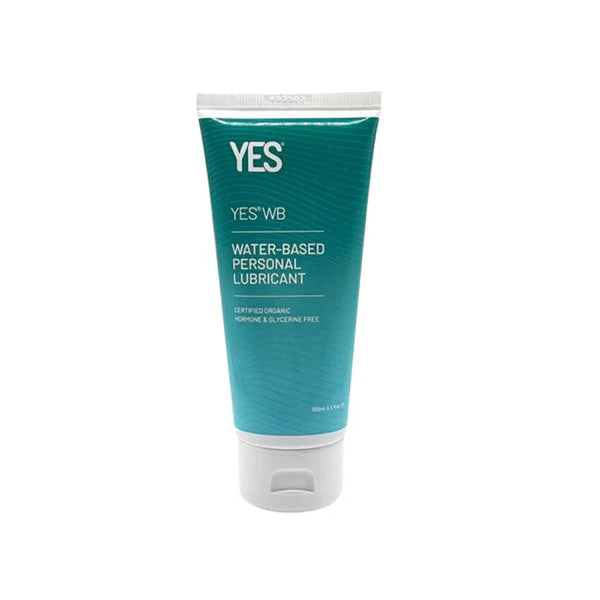
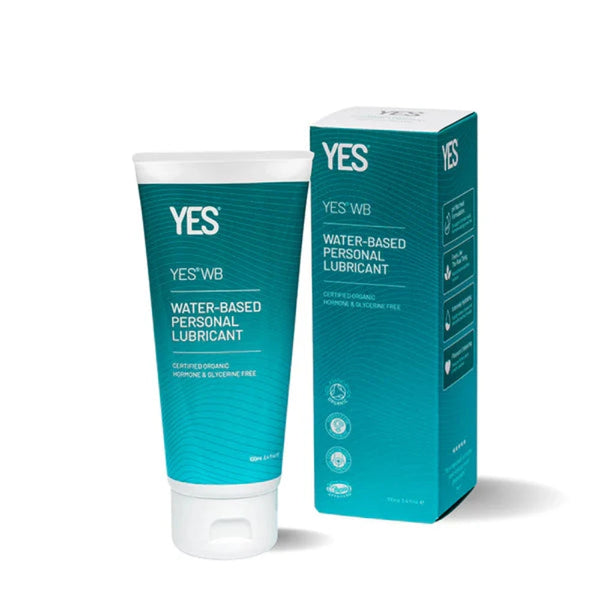
The Best Lubricants for Dryness & Pleasure: An Australian Guide
Not sure which lubricant is right for you? We break down water-based, silicone, and oil-based options for dryness, menopause, postpartum recovery, and intimacy — with ingredient guidance and product recommendations from pelvic health physiotherapy practice.
-

Overactive (Hypertonic) Pelvic Floor Muscles in Endometriosis: A Guide for Endo Warriors
Overactive (hypertonic) pelvic floor is one of the most common pelvic floor patterns in endometriosis. A pelvic health physio explains why the muscles tighten, the symptoms to look for, and what actually helps, covering down-training, dilators, pelvic wands, vibration tools, TENS, and when to see a pelvic floor physio.
-

Vulvar Varicosities in Pregnancy: What They Are and What Actually Helps
Vulvar varicosities affect up to 22% of pregnant women. Learn why they happen, what helps (including compression support), and when they resolve after birth. -

How to Use a Pelvic Wand
Pelvic pain, often accompanied by discomfort during sexual activity, can significantly impact quality of life. Common culprits include muscle spasm and overactivity, hypersensitivity and scar tissue affecting the pelvic floor and vulva. These "tissue issues" can restrict blood flow, irritate nerves, and limit flexibility, leading to pain and dysfunction.