Pelvic Health Education & Resources
Welcome to our pelvic health blog, where we share evidence-based education on pelvic floor function, pregnancy and postpartum recovery, vaginal dilators, pelvic floor wands, lubrication, painful sex and bladder leakage.
These guides are written by Blossom Pelvic Health to explain how your body works in plain English, and to help you know when to see a GP or pelvic health physiotherapist.
News
-

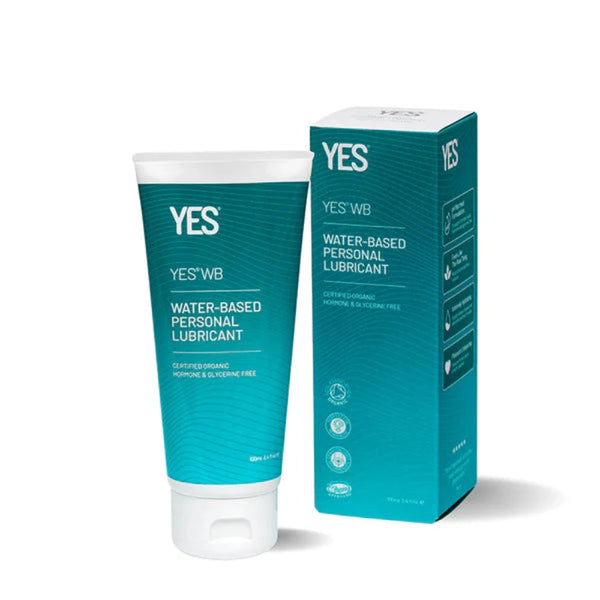
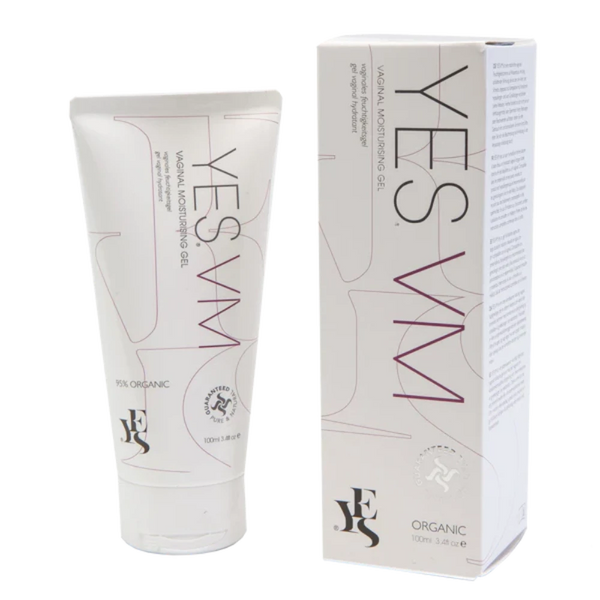
What Is Lube? What It Does, the Four Types and How to Choose
Lube is short for personal lubricant. What lube does, the four types (water, silicone, oil and hybrid), what to check on the label, how to use it, and what not to use instead.
-

How to relieve constipation: what actually softens stool, and what to do on the toilet
A guide to constipation: what counts as constipated, what genuinely softens stool, what to do when you're sitting there getting nowhere, and the danger signs that mean see a doctor rather than try another remedy. -

Rectal prolapse and rectocele: the difference, and how a pelvic health physio helps
Rectal prolapse and rectocele get confused constantly. What each one is, the bowel-care habits that sit at the heart of conservative management, and when a colorectal specialist needs to be involved. -

How to poo properly: a pelvic physio's guide to toilet position and technique
There is a correct way to empty your bowels, and most of us were never taught it. This guide covers toilet position, the breathing technique that replaces straining, how long you should sit, and why it matters for your pelvic floor. -

Can You Use Water-Based Lube With Condoms?
Yes. Water-based lube is safe with latex, polyisoprene and polyurethane condoms, and it makes them less likely to break. We explain which of our lubes name which condom types, what to avoid, and how much to use. -

Incontinence after prostate surgery: what's normal, how long it lasts, and what actually helps
The catheter comes out and nobody warned you it would be like this. What is normal in the first six weeks, how long leaking actually lasts, what the evidence says about physio including the trial that found it didn't help, and what to do while you wait. -

Diastasis recti: self-check, exercises, and when surgery is actually worth it
A pelvic physiotherapist's honest guide to diastasis recti: the at-home finger test, exercises that help, what it looks like in men, whether it improves years later, and when surgery is genuinely indicated. -

Pelvic floor exercises for men: how to do them right (and check that you are)
Most men are handed a leaflet and told to do their pelvic floor exercises. Almost nobody is shown how, and the cue you are given changes whether you contract the right muscle at all. This guide covers the cues that actually work, the mirror check, how many to do a day, and when squeezing is the wrong plan entirely. -

Pelvic wands for men: rectal use, technique and where it fits in pelvic pain care
A plain guide to pelvic wands in men's pelvic pain. What a hypertonic pelvic floor looks like in men, where rectal wand work fits in CPPS and chronic prostatitis, and how the technique differs from vaginal use. -

Heat or ice for pelvic pain: when warmth may help and when cooling fits
Warmth for tight muscles, cool for irritated nerves. A plain guide to when heat or ice fits in pelvic pain, what the evidence says, and where the Temperature Therapy Wand sits. -

What is a pelvic wand used for? A physio's guide to benefits, conditions, and safe use
Learn what a pelvic wand is used for, how it helps pelvic floor tension and pelvic pain, and how to use one safely with physiotherapist guidance.
-

Silicone vs Water Based Lube: Quick Guide to Choosing (and Buying) the Right One
Choosing the right lubricant can make intimacy more comfortable and enjoyable. Here’s a quick guide to help you decide between silicone and water based lubes so you can find the perfect match for your body and your needs.