Skip to content
Menu
A person sits with hands on their stomach, wearing a white shirt and brown undergarments, suggesting discomfort or pain. The background is softly lit and blurred. A person sits with hands on their stomach, wearing a white shirt and brown undergarments, suggesting discomfort or pain. The background is softly lit and blurred.

Pelvic Health Products

Pelvic health covers a lot of ground — bladder and bowel control, prolapse support, pelvic pain and tension, recovery after birth or surgery, and comfort through menopause. This is Blossom's full range of pelvic health products, chosen by pelvic physiotherapists and grouped so you can start from what you're actually dealing with rather than scrolling 78 products.

Whether you're strengthening, easing tension, managing prolapse, or looking for everyday comfort, the sections below point you to the right sub-collection. Every product page tells you what it's for and whether it's an ARTG-listed therapeutic good or a consumer wellness product — because in Australia that distinction matters, and we don't blur it.
Sorted by:
Showing 69 of 69 products

Filters

Strengthening a weak pelvic floor

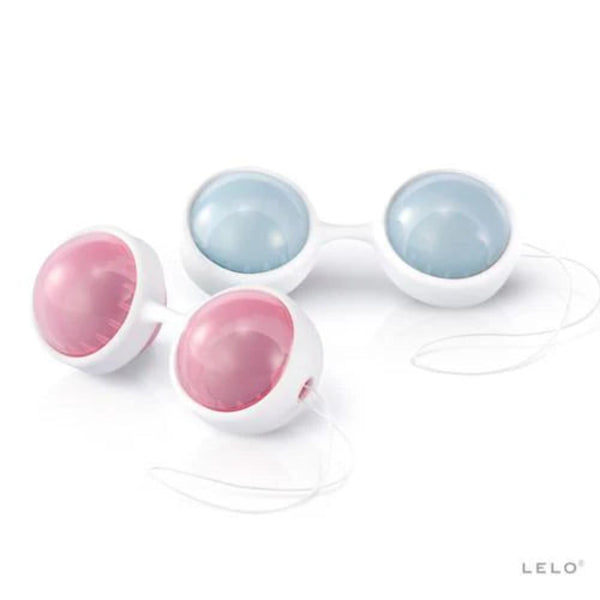
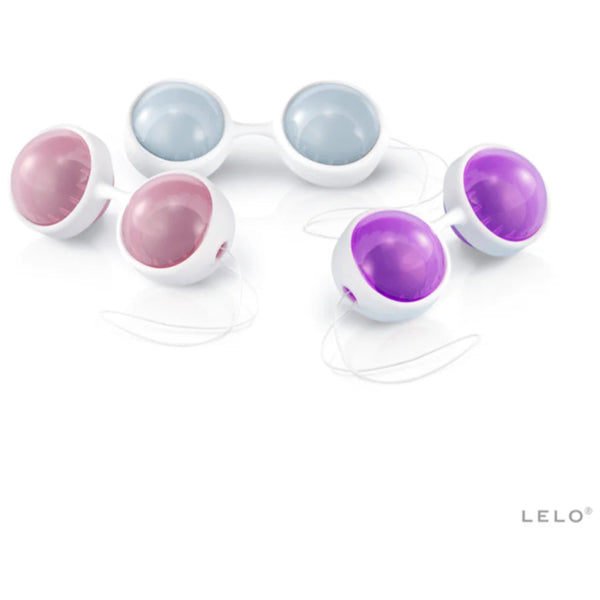
If leaks, a feeling of weakness, or postnatal recovery are what brought you here, strengthening tools give you feedback and something to progress against. Explore Kegel balls and weights, app-connected biofeedback trainers and electrotherapy, and the wider pelvic floor therapy range. It's worth checking you're lifting the right muscles first — a pelvic physiotherapist can confirm that in one session.

Easing a tight or painful pelvic floor

Not every pelvic floor is weak — plenty are too tight, and strengthening those can make things worse. For tension, trigger points, or pain with sex, gentle-release tools help. See pelvic wands, vaginal dilators, and the full tight or painful pelvic floor and painful sex ranges. Go slowly, and pair them with guidance from a pelvic physio.

Prolapse, bladder and everyday support

For prolapse support or bladder confidence, there are pessary-style supports and continence tools designed to sit comfortably day to day. Browse the pelvic organ prolapse range and the Contiform urethral support for stress incontinence. What suits you depends on your diagnosis, so these work best after a pelvic health assessment.

Comfort, intimacy and menopause

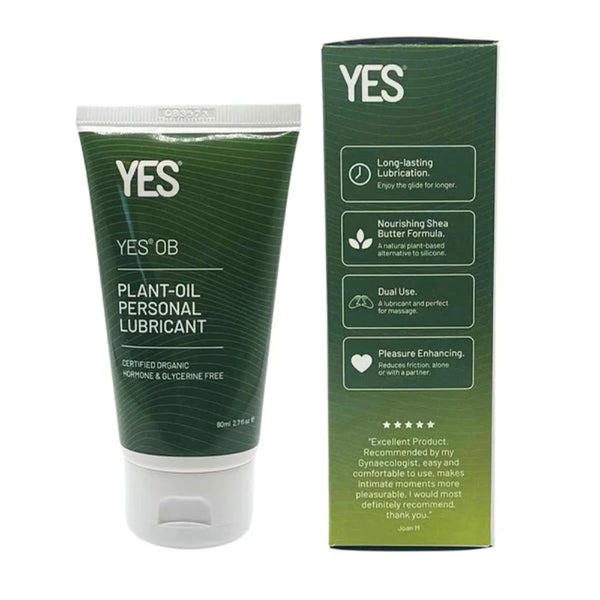
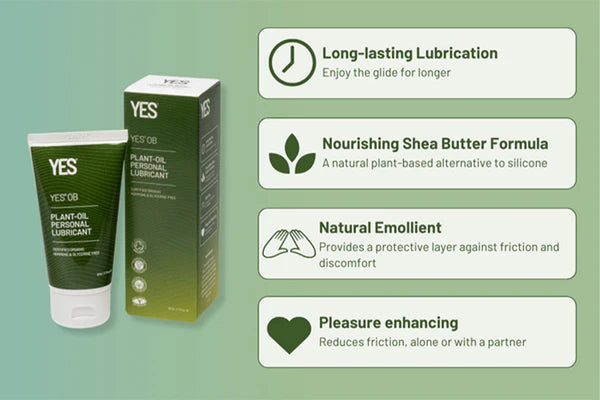
Dryness, discomfort, and the changes that come with menopause are common — and there's plenty that helps. Explore personal lubricants and vaginal moisturisers, the menopause range, and devices for comfort and intimacy. Everything is chosen for body-safe materials and physio-informed selection, and ships discreetly across Australia.

Pelvic health products — FAQs

Start from what you're experiencing — weakness and leaks, tension and pain, prolapse, or menopause dryness point to different tools. The sub-collections here are grouped that way. If you're unsure, a pelvic physiotherapist can assess you and recommend where to begin.

Both problems exist. A weak pelvic floor benefits from strengthening (Kegel trainers, biofeedback); a tight, overactive one needs gentle release (wands, dilators), and strengthening it can make symptoms worse. It's worth getting this checked before you start — the right direction matters.

Some are — several are ARTG-listed therapeutic goods, and others are consumer-wellness products like Kegel trainers or lubricants. Each product page says which it is. Blossom doesn't blur the line, because the word therapeutic has a specific legal meaning in Australia.

No — they work best alongside one. A pelvic physio can tell you whether to strengthen or release, check your technique, and rule out anything that needs different care. Think of these products as tools that support that guidance, not a substitute for an assessment.

For light bladder leakage, many people start with pelvic floor strengthening — Kegel weights or app-connected biofeedback trainers that show your contraction. Bladder retraining habits help too. If leaks are frequent or distressing, see a pelvic physiotherapist, as the cause guides the fix.

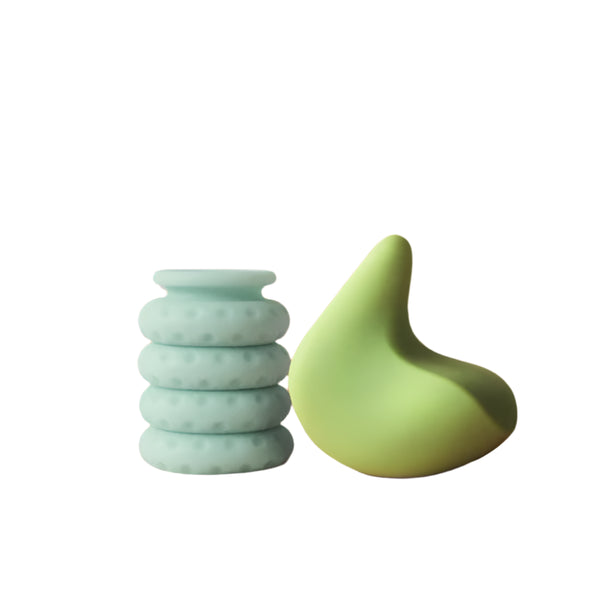
When pain comes from a tight pelvic floor, gentle-release tools like pelvic wands and dilators are commonly used, alongside physiotherapy. Ohnut rings can help with depth-related discomfort. Pain has many causes, though, so a pelvic health assessment is the right first step.

Yes. All intimate products are sent in discreet packaging, so nothing on the outside signals what's inside. Orders are dispatched within 1–3 business days with tracking, and if items ship from more than one warehouse they may arrive as separate parcels.

Many are, but timing matters. Gentle strengthening and recovery tools are common postpartum once you've been cleared, usually around your six-week check. Start gradually and, if you had a difficult birth or ongoing symptoms, get a postnatal assessment before using training or internal devices.

Learn the basics — physio guides

Foundational guides from the Blossom blog on understanding pelvic pain, retraining your bladder, and looking after your pelvic floor through menopause.

Woman resting on her sofa with knees drawn up by a window at home, reflecting on pelvic pain symptoms

Pelvic Pain in Women: Causes, What It Feels Like & When to See a Pelvic Physio

What pelvic pain can feel like, the common causes, and when it's time to see a pelvic physiotherapist.

Read more
Woman at home noting bladder retraining times in a journal with a glass of water and a timer on the table

Bladder Retraining: A Pelvic Physio's Step-by-Step Guide

A practical, physio-led method for stretching the time between toilet trips and calming an urgent bladder.

Read more
A woman with blonde hair is lying on her stomach on a grassy field, wearing a purple sweater. She is smiling and holding yellow leaves in her hands, surrounded by scattered autumn leaves.

Menopause and Your Pelvic Floor

How menopause changes the pelvic floor — and the simple things that help with dryness, leaks, and comfort.

Read more

Your Cart

Your Cart is empty
Let's fix that

Your Wishlist