Skip to content
Menu

At-Home Pelvic Floor Therapy Tools & Equipment

The tools commonly used in pelvic physiotherapy home programs, gathered on one page: pelvic wands for internal release work, graduated dilator sets for step-by-step stretching, weighted exercisers and app-connected trainers for strength practice. The guides below point you to the right category for the program you're working through.

Sorted by:
Showing 24 of 24 products

Filters

Can you do pelvic floor therapy at home?

Yes: much of pelvic floor rehabilitation happens at home between appointments. A physiotherapist assesses what your muscles are doing, then sets a home program built around tools like the ones on this page. If you haven't been assessed yet, that appointment is the best first step; the tools then slot into a plan rather than replacing one.

Intimate Rose Pelvic Wand — purple medical-grade silicone, S-curved dual-ended pelvic floor physiotherapy tool shown alongside its packaging

Pelvic wand or dilator: which do you need?

They solve different problems. A pelvic wand applies steady point pressure to one tender spot deep in the pelvic floor, the technique physios teach for home self-management of muscle tension. A dilator stretches the passage circumferentially, one graduated size at a time, when penetration itself is the goal. Start with the pelvic wand range for release work, or vaginal dilators for progressive stretching.

Do you need equipment for Kegel exercises?

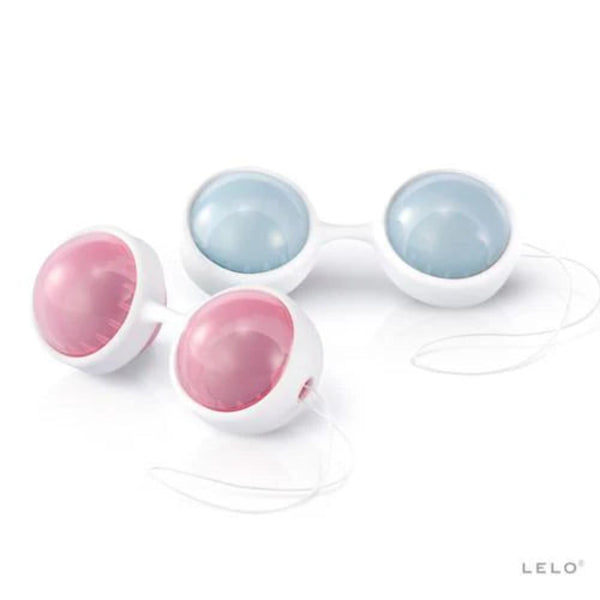
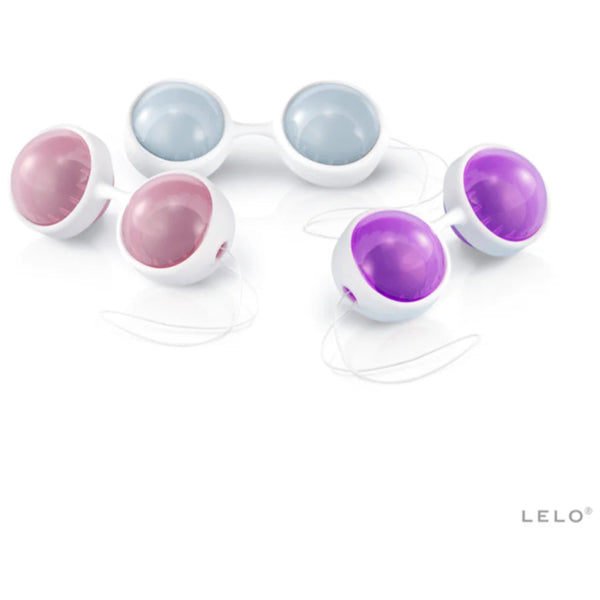
No: Kegels work equipment-free, but tools help two common sticking points. Weighted Kegel balls give the muscles something to close around and make short daily sessions more structured, while app-connected trainers show your contraction live so you know you're lifting rather than pushing. If weakness is the underlying issue, our pelvic floor strengthening products page groups everything in one place.

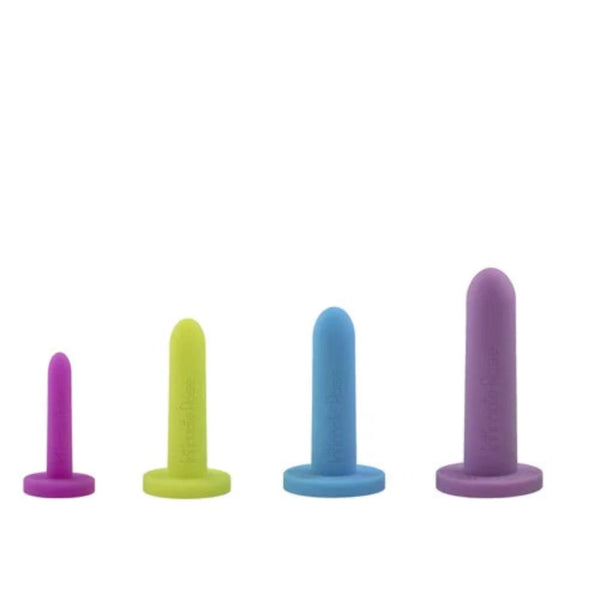
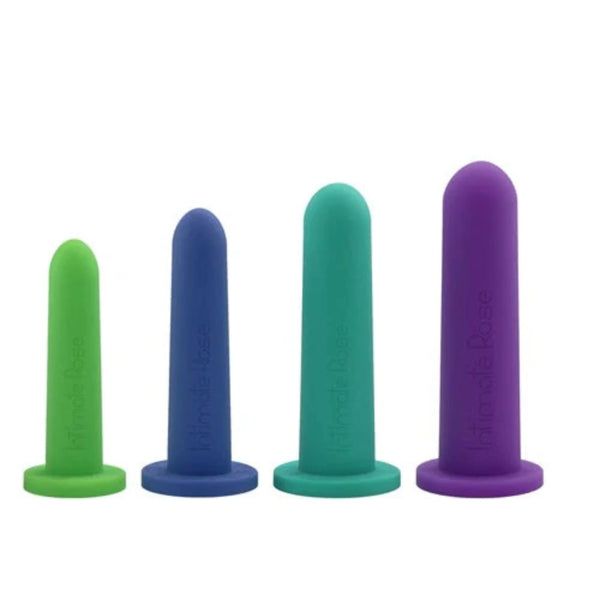
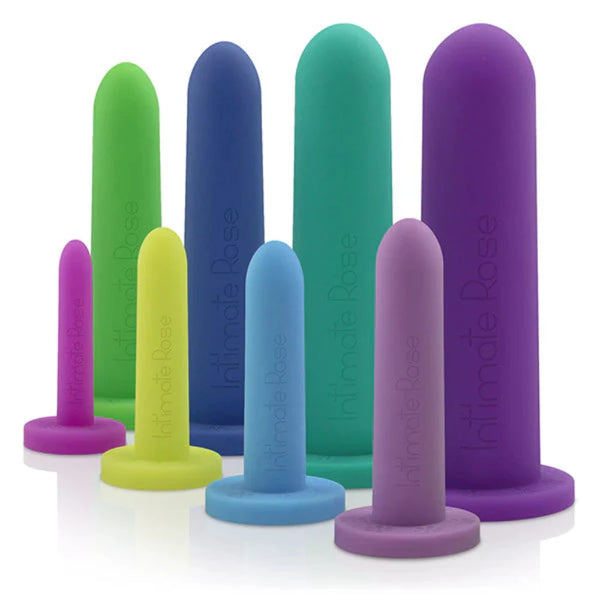
The "Intimate Rose - Silicone Vaginal Dilators - Full Set" features seven vibrantly colored cylindrical items made from medical-grade silicone, neatly sized from small to large with flat bases. The smooth-surfaced dilators come in shades such as purple, teal, green, and yellow to aid in pelvic health.

A physio-led range, organised by symptom

Blossom Pelvic Health was founded by a physiotherapist focused on pelvic health, and this hub is organised the way symptoms present in clinic. A tight, hypertonic pelvic floor calls for release and stretching before any strengthening; products for painful sex sit on their own page; and prolapse support products cover comfort and training alongside a prolapse plan.

Pelvic floor rehab questions, answered

Expect a conversation about your symptoms and history first, then usually an internal or external muscle assessment, with your consent, to feel how your pelvic floor contracts and relaxes. From there the physio builds a home program, which is where the tools on this page come in.

No. You can book directly with any private physiotherapist, including pelvic health physios. A GP referral only matters if you're claiming subsidised sessions through a Medicare chronic disease management plan, or if your health fund requires one. Bring your symptom history either way; it speeds up the first assessment.

It depends on the goal. Strength-focused programs typically run three months or more, while release and dilator work is progressed by comfort rather than the calendar; some people move through sizes in weeks, others take months. Regular physio reviews keep the program honest and adjust it as you improve.

No, and they're not meant to. An assessment tells you whether your symptoms come from weakness, tension or something that needs medical review, which no product can determine. The tools here work best inside a program a physiotherapist has tailored, especially for internal wand or dilator work.

Check with your care team first. Many internal tools are used postpartum once you've had your six-week check, but during pregnancy most physios are conservative about internal wand and dilator work and will tailor advice to your situation. External techniques and breathwork are usually the pregnancy-safe starting point.

Because of the intimate nature of these products, we don't accept change-of-mind returns. If your item arrives faulty or damaged, email hello@blossompelvichealth.com.au and we'll look after you. Full details, including what's covered under Australian Consumer Law, are in our returns policy.

Guides for your home program

Deeper reading on the two most common starting tools.

Pink S-curved silicone pelvic wand on a white surface with rose petals, a rolled towel and a candle

What is a pelvic wand used for?

What the wand actually does inside a physio program, who tends to use one, and how a first session should feel.

Read more
Colourful silicone vaginal dilators tucked among flowers, illustrating how to choose a starting size

Vaginal dilators: how they work

How graduated dilator training progresses, choosing a starting size, and pacing sessions without forcing anything.

Read more

Your Cart

Your Cart is empty
Let's fix that

Your Wishlist