Nobody quite prepares you for postpartum vaginal dryness. You prepare for birth, for feeding, for sleep deprivation — but the dryness, discomfort, and changes to intimacy that follow birth often come as a surprise.
If you're postpartum or breastfeeding and finding things uncomfortably dry, that sex feels different or painful, or that you simply don't feel like yourself, you're in good company. A study of 832 postpartum women found that 43% reported vaginal dryness at six months after giving birth. Among breastfeeding women, research has found that breastfeeding doubles the risk of vaginal dryness compared to non-breastfeeding women. This is hormonal, and for most women it resolves. The right lubricant helps in the meantime.
Why breastfeeding causes dryness
During pregnancy, oestrogen levels hare high. After birth, they drop sharply. If you're breastfeeding, they stay low — because prolactin, the hormone responsible for milk production, suppresses oestrogen. And oestrogen is what keeps vaginal tissue lubricated, elastic, and comfortable.
The result is that many breastfeeding women experience vaginal dryness similar in character to what happens during menopause, except it is temporary and tied directly to feeding. Once feeding reduces or stops and oestrogen levels recover, natural lubrication typically returns.
Other factors that can contribute to postpartum dryness and discomfort:
- Physical healing from perineal tears or episiotomy
- Pelvic floor muscle tension or scar tissue
- Fatigue and stress (both reduce natural lubrication)
- Being touched-out from feeding and constant physical contact with a baby
A note on postpartum pain during sex
Lubricant is a practical and helpful first step. But sex should not be significantly painful postpartum, even after you have been cleared to resume. Some initial sensitivity as healing tissue is gently stretched is normal. Ongoing or sharp pain, pain at the vaginal entrance, or pain that makes you want to avoid intimacy is worth addressing with a pelvic health physiotherapist.
Postpartum pelvic floor changes — including muscle tension, scar tissue from tears or episiotomy, and changes to the pelvic girdle are extremely common and very treatable. You don't need a GP referral to see a pelvic health physio.
Which lubricant is best postpartum?
For intimacy: start with water-based
Water-based lubricants are the recommended starting point for postpartum use. They're gentle on healing tissue, compatible with all condom types, easy to apply, and simple to clean. For women whose tissue is still tender in the early postpartum period, this is almost always the right first choice.
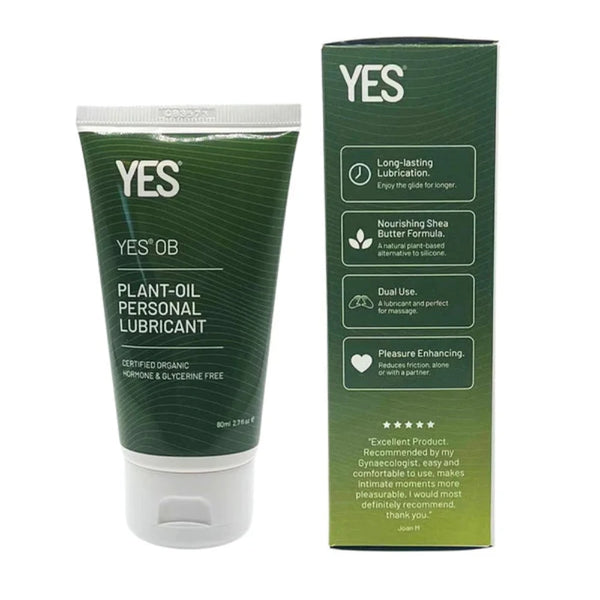
YES WB Water-Based Lubricant — certified organic, pH-balanced, no glycerin, no parabens. A consistently popular choice for postpartum women.

Sliquid Organics Natural — aloe vera-based and certified organic. The aloe provides a naturally soothing quality that suits tender postpartum tissue well.

Sliquid Organics Natural Gel — the thicker version of the above, good if you prefer a consistency that stays in place.

Uberlube — if water-based options don't last long enough, Uberlube's silicone formula provides extended coverage. Not compatible with silicone toys or dilators.

For daily comfort: oil-based as a moisturiser
For breastfeeding women experiencing ongoing dryness throughout the day, using a lubricating cream regularly (not only before sex) is one of the most effective strategies. Oil-based products nourish and protect tissue over time.
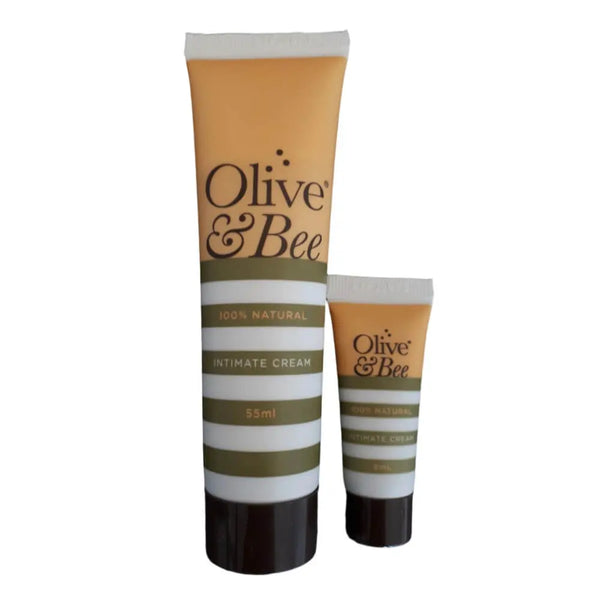
Olive & Bee Intimate Cream — two ingredients: olive oil and beeswax. Developed by a women's health physiotherapist, preservative-free and free from synthetic chemicals. Very well-tolerated by sensitive postpartum skin. A pea-sized amount applied to the vaginal area a few times a week maintains day-to-day comfort.

YES VM Vaginal Moisturiser — a dedicated vaginal moisturiser for regular use. Available in gel form and pre-filled applicators for internal use when dryness is more pronounced.

Note: oil-based products are not safe with latex or polyisoprene condoms. If you're relying on condoms for contraception, use water-based lubricant for intimacy instead.
Ingredients to avoid postpartum
Postpartum tissue is healing and often more sensitive than usual. The following ingredients are worth avoiding — none are present in any product Blossom stocks:
- Glycerin — can feed yeast organisms. Postpartum hormonal changes can increase susceptibility to thrush.
- Parabens — synthetic preservatives that research has shown can inhibit beneficial Lactobacillus bacteria in the vagina.
- Fragrances and warming or tingling agents — common irritants that are particularly problematic on postpartum tissue.
- Chlorhexidine gluconate — an antibacterial preservative that kills beneficial vaginal bacteria.
Practical tips for postpartum intimacy
Apply lubricant proactively, not reactively. Hormonal dryness means natural lubrication may not build even with arousal. Applying lubricant before intimacy makes the experience more comfortable for both of you.
Use more than you expect to need. Particularly in the early postpartum period, generous application makes a real difference. You can always wipe away any excess.
Use lubricant outside of sex too. Dryness is uncomfortable throughout the day. Applying Olive & Bee or YES VM regularly keeps tissue more comfortable overall.
Take your time. There's no timeline for feeling ready for sex postpartum. Every body, every birth, and every experience is different.

Shop all lubricants and vaginal moisturisers
Shop the postpartum collection
If you're using vaginal dilators as part of postpartum pelvic floor therapy, see our dilator lubricant guide for which type to use and how to apply it.
For a full breakdown of every lubricant type, see our complete lubricant guide.
If pelvic floor concerns, pain during sex, or other postpartum symptoms aren't improving, a pelvic health physiotherapist can help. These are some of the most common and most effectively treated conditions in women's health.