If you are here, something has changed and you are trying to work out what to do about it.
Maybe it is the flushes, arriving at the worst possible moment and leaving you damp and furious. Maybe it is sleep, which used to be reliable and now is not. Maybe it is a bladder that has started leaking on the walk to the car, or sex that has quietly become something to get through, or joints that ache in the morning for no reason you can name. Maybe it is all of it, and nobody has joined the dots for you.
That is the problem with menopause. The symptoms arrive one at a time, each one looks like something else, and the advice you find is either a wall of medical language or a list of supplements. What is missing is a plain map of what helps for each thing, what does not, and where the pelvic floor fits, because that is the part almost nobody puts on the list.
So here is that map. Not every symptom, because there are dozens, but the ones that matter most day to day, grouped by what you can actually do about them.
What are the most common symptoms of menopause?
Hot flushes and night sweats top the list. Jean Hailes puts it at around three in four women, and the Study of Women's Health Across the Nation followed more than 1,400 women and found that flushes lasted a median of 7.4 years, longer if they started early in perimenopause. That is not a phase you wait out. That is a chunk of your life worth managing properly.
After that, in roughly the order women mention them: broken sleep, mood changes and a shorter fuse, brain fog, joint and muscle aches, vaginal dryness and painful sex, and a bladder that has started behaving differently, which usually means urgency, leaking, or getting up at night.
The spread is wide. Jean Hailes' rule of thumb is that one in four women get severe symptoms, one in four get none, and the two in the middle get something between mild and hard to manage. If you are in the first group, please stop reading articles like this one that tell you to drink more water and go and see a doctor who treats menopause. Lifestyle changes are real, but they are not a substitute for treatment when you need it.
How do you stop hot flushes and night sweats?
Let me be honest about what the evidence says, because a lot of the advice out there is not.
The Australasian Menopause Society is blunt on this point. Fans, layers, cold packs and cool drinks "can help to make you more comfortable, even if such changes do not directly decrease your symptoms." So cooling does not reduce how many flushes you have. What it does is shorten the misery of each one, and for most women that is the bit that matters at 2pm in a meeting or 3am in bed.
The practical version:
Dress in layers you can shed in seconds. Natural fibres, a cardigan over a singlet rather than one warm jumper. Sleep in a light cotton layer with a second sheet you can kick off.
Cool the neck and face, not the whole body. A flush is a surge of blood to the skin, and the face, neck and upper chest are where it lands. Cold on those areas is what women report helps fastest, which is why a fan aimed at your face works better than opening a window. Start it at the first prickle of warmth rather than once you are already dripping, loosen a layer so the air reaches skin, and switch it off once the flush has passed so you do not end up chilled. At night, a low steady fan across the bed, a sheet and light blanket instead of a doona, and a cold pack under the pillow do most of the work.
Carry the cooling with you. A flush does not wait for you to get home. If you can cool yourself in the car, at your desk, or in the supermarket queue, you stop dreading the next one. CapyCool's fans for women and menopause are what I recommend to my patients: a neck fan that leaves your hands free, a foldable handbag fan with a cold plate you press against your neck, and a waist-clip fan built for outdoor workers. "Buy a fan" is useless advice unless the fan is somewhere near you when it happens.
Know your triggers. Alcohol, spicy food, hot drinks and smoking are the reliable ones. Alcohol in the evening is the most common cause of a bad night. You do not have to give it up. You do need to know it is a trade.
Consider cognitive behavioural therapy. This sounds like an odd suggestion for a physical symptom, and it is not about "thinking your way out" of a flush. CBT for menopause teaches paced breathing and changes how you react in the moment. A 2025 systematic review of 16 trials found it improved quality of life and sleep, and women reported fewer flushes as well, most likely because stress and anxiety are triggers in their own right. Many Australian psychologists now run it as a short group program.
Talk to a doctor about treatment. Menopausal hormone therapy is the most effective treatment for flushes and sweats, and for most healthy women under 60 or within ten years of menopause the benefits outweigh the risks. There are also non-hormonal medicines for women who cannot take it. That is a GP conversation, ideally with someone who lists menopause as an interest. The Department of Health's find-a-doctor page lists them.
What does not help, according to the same AMS fact sheet: acupuncture, magnets and reflexology. You are welcome to try them. Just do not spend money you would rather have spent on the things above.
What helps with sleep during menopause?
Sleep is where menopause does its quiet damage, because after four broken hours you cannot exercise, eat well, be patient, or keep up a pelvic floor program. Fix sleep first and everything else gets easier.
Night sweats are the obvious culprit, so everything in the section above applies. Keep the bedroom cool, keep a fan and a cold pack within reach so you are not stumbling to the kitchen, and treat the sweats medically if they are waking you more than a couple of times a week.
But a lot of menopausal insomnia is not sweats. It is the 3am wake with a racing mind, or the bladder that now wants attention twice a night. If you are getting up to pee more than once, that has its own name and its own fixes, and it is covered in Nocturia: why you keep waking up to pee. It is not simply age.
The rest is boring and works: same wake time every day, no screens in bed, alcohol earlier or not at all, caffeine finished by lunchtime, and daylight in the morning. CBT for insomnia has strong evidence for menopausal sleep, and the same 2025 review found the gains held for six months after treatment. Melatonin helps some women. Sleeping tablets are for a bad week, not a bad year.
How does menopause affect the pelvic floor and bladder?
This is the section that gets left off every list.
Oestrogen does not just run your ovaries. There are oestrogen receptors in the vagina, the vulva, the urethra, the bladder and the pelvic floor muscles themselves. When levels fall, that tissue becomes thinner, drier, less elastic and less well supplied with blood. The medical name for the cluster of symptoms that follows is genitourinary syndrome of menopause, GSM for short, and unlike flushes it does not get better on its own. It tends to progress.
What that looks like:
- Leaking with a cough, sneeze or run that never used to happen
- Urgency, that sudden "I need to go now" that arrives with no warning
- Getting up at night to pee
- More urinary tract infections than you used to get
- Dryness, itching or a feeling of rawness that has nothing to do with sex
- A heaviness or dragging feeling, which is sometimes prolapse becoming symptomatic for the first time
The pelvic floor part is under-recognised because most people assume leaking means weakness and weakness means Kegels. Sometimes that is right. But menopausal pelvic floors are just as often tight and poorly coordinated as they are weak, and a tight, dry pelvic floor is the classic set-up for painful sex. Squeezing harder makes that worse. The difference is explained in Menopause and your pelvic floor, and if urgency is your main problem, bladder retraining is the place to start, because it works whether or not you are also on treatment.
The evidence for pelvic floor training in menopause is real, if still young. A 2019 Maturitas study ran 32 postmenopausal women with GSM through twelve weeks of supervised pelvic floor training and saw improvements in dryness, leakage and sexual function, including the signs of tissue thinning on examination. Small study, no control group, so hold it loosely. But it matches what pelvic physios see every week, and it is why the answer to "is it worth doing something about the leaking" is always yes.
If you want to train at home, kegel balls and weights give you something to work against, and a biofeedback trainer shows you whether you are actually contracting the right muscles, which a surprising number of women are not. Get assessed first if you can. A consultation with a pelvic floor physio tells you whether you need to strengthen, release, or both.
What can you do about vaginal dryness and painful sex?
Two products, used differently, and most women are using one when they need the other.
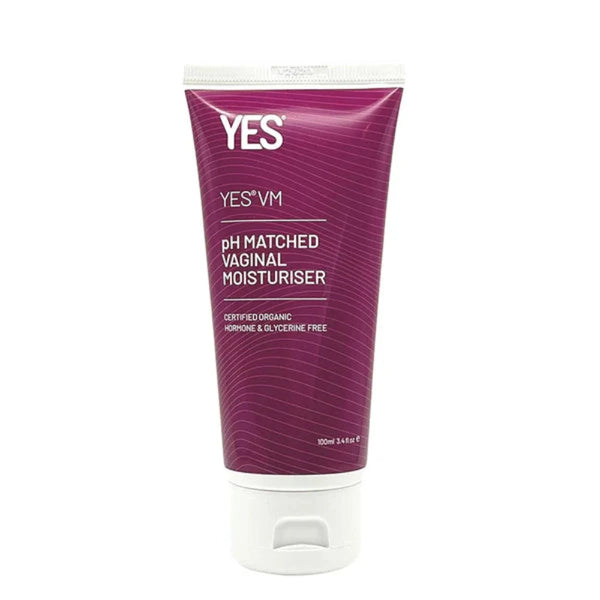
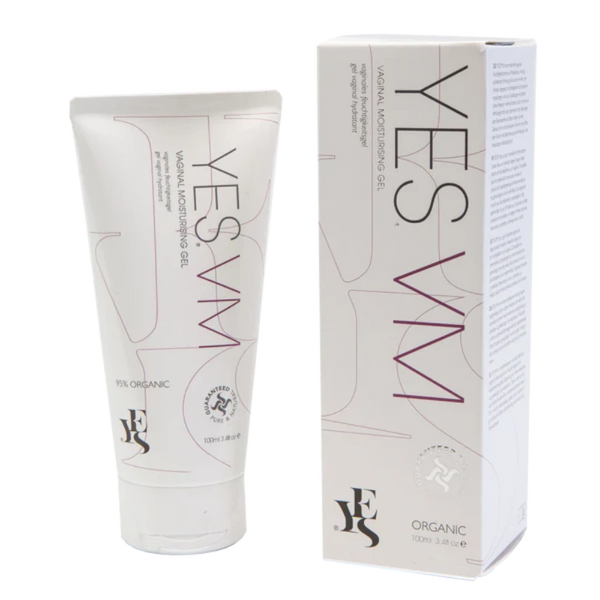
A vaginal moisturiser is used regularly, two or three times a week, whether or not you are having sex. It rehydrates the tissue over time. A lubricant is used in the moment to reduce friction. If you are dry day to day, you need a moisturiser. If sex is uncomfortable, you need a lubricant as well. Most women in menopause end up wanting both, and the difference is laid out properly in Vaginal moisturiser vs lubricant.
The evidence here is better than for most of menopause. A 2024 systematic review in Annals of Internal Medicine found that vaginal oestrogen improved painful sex compared with placebo and that vaginal moisturisers were linked to less dryness. The authors rated the evidence low-certainty because most trials ran twelve weeks or less, so hold it loosely too. But if you would rather not use hormones, or you have been told you cannot, a good moisturiser is not a consolation prize.
Look for something without glycerin, fragrance or warming agents, and check the pH and osmolality if the brand publishes them. Our vaginal moisturisers are chosen on exactly those criteria, and Lubricant for menopause dryness explains what to look for on the lubricant side.
If it still hurts with a moisturiser and a lubricant in play, the problem is usually the pelvic floor guarding, and that is a physio problem, not a product problem. Perimenopause libido: is it desire, sensation, or your pelvic floor? pulls that apart in more detail.
Does exercise help menopause symptoms?
Yes, though not for the reason most people think.
The AMS fact sheet is honest that exercise "may not directly help your hot flushes and night sweats." What it does is nearly everything else. Regular strength training protects bone, which starts losing density fast once oestrogen falls. It helps with weight, and weight gain makes flushes worse. It improves sleep and mood more reliably than most supplements. And it treats the joint and muscle pain that so many women put down to age, which a 2024 review in Climacteric now calls the musculoskeletal syndrome of menopause and estimates affects more than seven in ten women through the transition.
The mix that matters: something that raises your heart rate most days, resistance training twice a week, and something for flexibility and balance. Yoga is the one activity the AMS singles out as having some trial evidence for symptoms and sleep, so if you are going to pick one thing, that is not a bad choice.
One caveat. If you are leaking with impact, do not stop running. Get the leaking assessed and treated, because the running is doing your bones and your mood far more good than the leaking is doing harm, and it is fixable.
What treatments are available from your doctor?
This is the short version, and it is here because too many women never get to have this conversation.
Menopausal hormone therapy (MHT) is the most effective treatment for flushes, sweats and the sleep and mood disruption that follows them. It also protects bone. For most healthy women who start within ten years of their last period, current Australian and international guidance is that the benefits outweigh the risks. The fear left over from the early 2000s does not match the modern evidence, and the AMS and Jean Hailes both explain why in plain language.
Vaginal oestrogen is a separate, very low-dose treatment applied locally for dryness, painful sex and recurrent urinary infections. It barely enters the bloodstream and can be used by many women who cannot take systemic hormones. If your symptoms are mostly pelvic, this is often the first thing to ask about.
Non-hormonal medicines exist for flushes, including a newer class that targets the brain's temperature control directly, for women who cannot or would rather not use hormones.
None of these replace the pelvic floor work. All of them make it work better.
When should you see someone about menopause symptoms?
Now, if any of the following is true: bleeding after your periods have stopped, or bleeding that has become much heavier or more irregular; symptoms that are affecting your work, your relationships or your safety; leaking or urgency that is changing what you do; pain with sex; or low mood that has lasted more than a couple of weeks.
For the medical side, a GP with a menopause interest or an AMS-listed doctor. For the pelvic side, a pelvic health physiotherapist. You do not need a referral for either.
And if you have been apologising for bringing any of this up: you are not making a fuss. This is a decade of your life. It is allowed to be managed well.