If you've been looking into vaginal dryness, you've probably come across both lubricants and vaginal moisturisers, and wondered whether they're the same thing, which one you need, or whether both are necessary.
They're not the same. They work differently, they're used differently, and for many women — particularly through menopause or postpartum recovery — using both gives better results than either alone. Healthdirect Australia distinguishes between the two specifically, suggesting a vaginal moisturiser used regularly (its guidance is 2 to 3 times a week) for ongoing dryness, and a water-based lubricant during sex.
The core difference
A vaginal lubricant is used in the moment. Applied before or during intimacy or pelvic therapy, it reduces friction and makes things more comfortable right now. It wears off. It doesn't change the underlying condition of vaginal tissue.
A vaginal moisturiser is used regularly, typically every 2 to 3 days (around 2 to 3 times a week, more often when dryness is pronounced), on your own schedule, not only before sex. Over time, consistent use helps restore moisture to the vaginal walls, supports tissue elasticity, and eases everyday dryness, itching, and irritation. It's ongoing care for the tissue itself, not a product for a specific occasion.
The shorthand: a lubricant addresses friction in the moment. A moisturiser addresses the underlying dryness over time.

Who needs a lubricant?
Lubricant is useful for almost anyone at some point. You don't need to be experiencing clinical dryness to benefit from it. Plenty of women with normal natural lubrication find that adding lubricant makes intimacy more comfortable and enjoyable.
Lubricant tends to be most helpful for:
- Anyone experiencing vaginal dryness during intimacy, regardless of cause
- Women using graduated dilator sets or pelvic wands as part of pelvic floor therapy
- Women going through perimenopause or menopause
- Postpartum and breastfeeding women
- Women on medications that can reduce natural lubrication, including the contraceptive pill, some antidepressants, and antihistamines
- Women experiencing painful sex for any reason
Who needs a vaginal moisturiser?
A vaginal moisturiser is for women who experience dryness, itching, or irritation that isn't only related to intimacy, or whose dryness is pronounced enough that lubricant used only during sex doesn't give them adequate ongoing relief.
Signs a vaginal moisturiser would help:
- Dryness, itching, or irritation throughout the day, not only during sex
- Menopause or perimenopause with ongoing vaginal symptoms
- Persistent dryness during breastfeeding
- Lubricant helps during intimacy but the dryness returns quickly afterwards
- Your GP or pelvic physiotherapist has mentioned thinning vaginal tissue
- Managing dryness alongside hormone therapy
Using both together
For many women, especially through menopause or postpartum recovery, combining a moisturiser with a lubricant gives the best results.
Every 2 to 3 days (not only before sex): apply a small amount of vaginal moisturiser to the vaginal entrance and walls. Consistency over weeks is what builds up moisture levels in the tissue.
Before or during intimacy: apply lubricant as needed in addition to your moisturiser, or instead of it on days you've already moisturised. Use as much as feels comfortable.
The moisturiser maintains tissue health and moisture over time. The lubricant provides immediate friction reduction during activity. They complement each other and there's no reason to choose one over the other when both are needed.
The best vaginal moisturisers
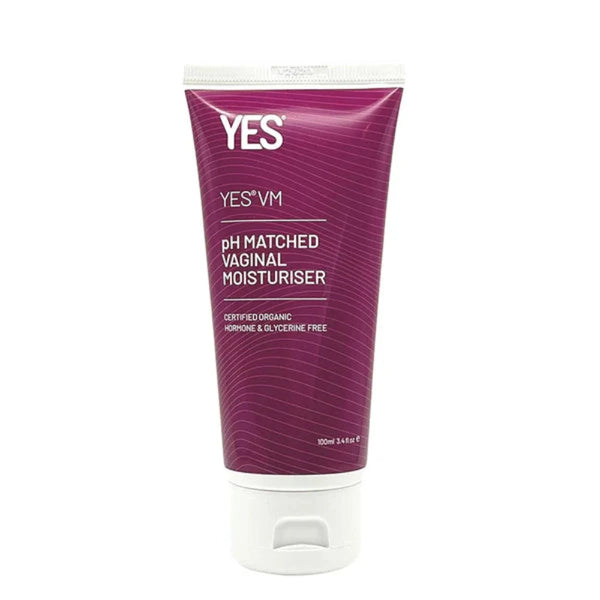
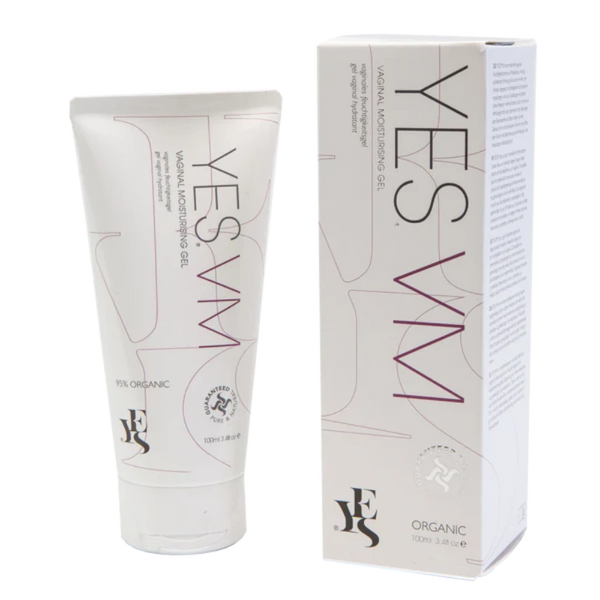
YES VM Vaginal Moisturiser: one of the most trusted non-prescription vaginal moisturisers in Australia. Certified organic, pH-balanced, paraben-free, glycerin-free. Available as a gel and as pre-filled applicators for internal application where dryness is more pronounced. Each application keeps releasing moisture for up to three days, so most women settle into applying it every second or third day (around 2 to 3 times a week). Used consistently, it helps restore moisture to the vaginal walls and eases day-to-day dryness and irritation.

Olive & Bee Intimate Cream: works well as a daily vulval moisturiser, particularly for external use. Two ingredients: pure olive oil and beeswax. No preservatives, no synthetics. Applied a few times a week, it nourishes and protects delicate tissue. It also doubles as a lubricant for intimacy, making it one of the most versatile products in the range. Not suitable with latex or polyisoprene condoms.

Sliquid Satin: bridges the gap between lubricant and moisturiser. A water-based formula with conditioning ingredients designed to give ongoing hydration to vaginal tissue. Works for both daily comfort and intimate use. Free from glycerin and parabens, safe with condoms and silicone toys.

The best lubricants to use alongside a moisturiser
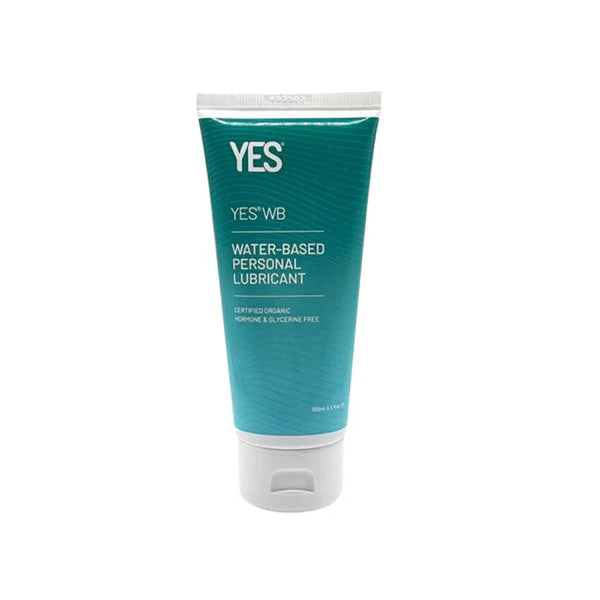
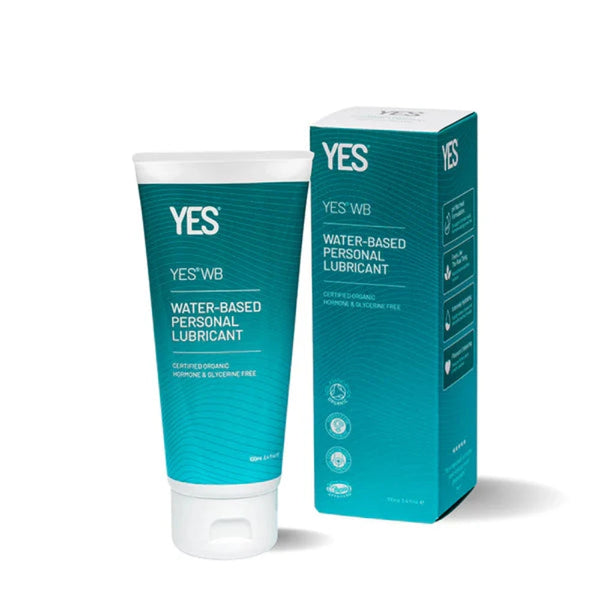
YES WB Water-Based Lubricant: certified organic, pH-balanced, glycerin-free. Pairs naturally with YES VM in a combined routine. Safe with all condom types and silicone toys.
Uberlube: a premium silicone lubricant with vitamin E. Long-lasting, no reapplication needed, well-suited to significant menopausal dryness during intimacy. Safe with latex and polyisoprene condoms; for other condom types, check the manufacturer's guidance. Not compatible with silicone toys or dilators.
Sliquid Organics Natural: certified organic, aloe-based. Soothing and gentle for sensitive tissue. Works well as a lubricant alongside a regular moisturiser routine.
Product pairing guide
Menopause, moderate symptoms: YES VM + Uberlube
Menopause, prefer natural, no condoms: Olive & Bee + YES OB
Postpartum / breastfeeding: YES VM or Olive & Bee + YES WB
Sensitive skin: Olive & Bee + Sliquid Organics Natural
Dilator therapy: Sliquid Satin + Sliquid Organics Natural Gel
Browse all lubricants and moisturisers
Related reading: The Best Lubricants for Dryness & Pleasure: An Australian Guide | Lubricant for Menopause Dryness: What Actually Works