Skip to content
Menu
Skip to product information

Intimate Rose

Intimate Rose Pelvic Wand β€” Internal Pelvic Floor Trigger Point Tool

  • The original in the Intimate Rose range β€” designed by a pelvic floor physiotherapist
  • S-shape reaches deep pelvic-floor muscles your own fingers can't
  • Two differently sized ends for targeted or broader trigger-point work
  • Body-safe, BPA-free, latex-free medical-grade silicone β€” works vaginally or rectally
$68.00 AUD

Currently, 39 items are in stock!

Order within the next 23 hours 11 minutes to receive it. Estimated delivery is between Monday, 08 Jun and Monday, 15 Jun.

Intimate Rose's original silicone pelvic wand for trigger-point release

The Intimate Rose Pelvic Wand is the original in the range β€” an S-shaped silicone wand designed by Dr Amanda Olson, a pelvic floor physiotherapist, for at-home pelvic-floor trigger-point work. Two differently shaped ends, no battery, no vibration, no temperature core. Just the foundational tool pelvic physios reach for when they want a patient to continue still-pressure release work between sessions.

It sits at the entry point of the Intimate Rose pelvic wand range, and most pelvic physios start patients here. The S-curve reaches deep muscles your own fingers can't β€” particularly the obturator internus and the levator ani β€” and the two ends give options for targeted or broader work.

What you get

  • S-shaped silicone wand with two differently sized ends
  • Fully covered in body-safe, BPA-free, latex-free medical-grade silicone
  • Designed by Dr Amanda Olson, a pelvic floor physiotherapist
  • Backed by Intimate Rose's 1-year manufacturer warranty
  • Discreet packaging

What people use it for

Internal trigger-point release for pelvic-floor tension. Most commonly used for the muscle patterns underneath vaginismus, dyspareunia, chronic pelvic pain, and pelvic-floor tension myalgia. Works vaginally or rectally, depending on what your physio is targeting.

Who this is for

  • People who've been shown how to use a wand by a pelvic health physiotherapist and want to continue at home
  • People starting their first internal tool β€” the original is the simplest entry point
  • Postpartum recovery, once you've had clearance from your physio or GP
  • Perimenopause and menopause, when many women find their pelvic floor changes

Who this isn't for

  • Anyone who hasn't yet been assessed by a pelvic health physio. Wand work without assessment can be counter-productive.
  • Active vaginal or rectal infection, or pregnancy without clinical clearance from your treating clinician

Comparing the wands in the range

The original is the still-pressure version. If you want vibration on top of pressure, see the Vibrating Wand. If heat or cool helps your specific condition, the Temperature Therapy Wand has a core that holds warmth or cool for ~15 minutes. If you need extra length (pregnancy, limited mobility) or a custom angle, the Bendable Wand can be shaped to suit your anatomy. Compare all four side by side at the Pelvic Wand collection.

Care and compatibility

Use water-based lubricant only. Oil-based and silicone-based lubricants degrade silicone over time. Wash with warm water and mild soap, then air dry.

Returns

No change-of-mind returns on intimate products. The Intimate Rose Pelvic Wand comes with Intimate Rose's 1-year manufacturer warranty against defective units. For warranty or fault claims, email hello@blossompelvichealth.com.au with photos of the issue. Your Australian Consumer Law guarantees sit alongside this warranty, not in conflict with it.

This product comes with guarantees that cannot be excluded under the Australian Consumer Law.

  • Free shipping for orders over $100 (Australia only)
  • Orders are dispatched within 1-3 business days.
  • All items are located within Australia.
  • You will receive an email confirmation once your order has been dispatchedΒ with your order number and shipping method.
  • If stock needs to be sent from more than one warehouse, you willΒ receive multiple packages with multiple tracking numbers.
  • All intimate products are shipped with discreet packaging.
  • If you require products urgently, please contact us directly to confirm theΒ stock location so that weΒ canΒ endeavor to process and dispatch your order as a priority.

Change of Mind Purchases

Due to the intimate nature of our products,Β we do not accept returns or exchanges forΒ change-of-mind purchases.

The exception for this is SRC Health Products

  • SRC Recovery garments must be returned within 30 days of purchase
  • SRC Non recovery products must be returned within 14 days of purchase
  • All items are required to be returned in their original unworn condition, with their garment tags and labels in place.
  • Shipping costs are non-refundable.
  • To initiate a SRC Health product return, please contact hello@blossompelvichealth.com.au for further instructionsΒ 

Β 

Faulty / Damaged Item

If an itemΒ is faulty or damaged, please contact us immediately at hello@blossompelvichealth.com.au so that we can resolve the issue as soon as possible.Β 

Β 

Incorrect OrderΒ 

If you receive an incorrect order, please contact us immediately at hello@blossompelvichealth.com.au so that we can resolve the issue as soon as possible.

Frequently Bought Together

  • Intimate Rose Pelvic Wand β€” Internal Pelvic Floor Trigger Point Tool (This item)

    $68.00

  • Sliquid H2O β€” Classic Water-Based Lubricant

    $29.95

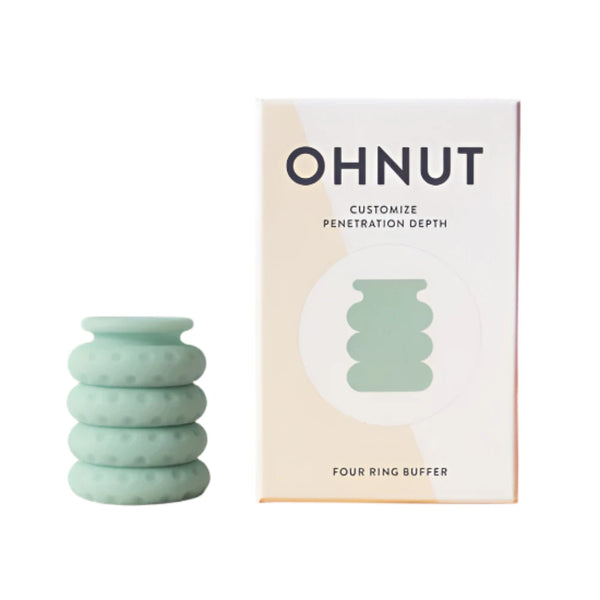
  • Ohnut Depth-Limiting Rings β€” Soft Buffer Rings for Comfortable Intimacy

    $115.00

Intimate Rose Pelvic Wand Australia β€” S-Shaped Internal Trigger Point Release Tool FAQ

Everything you need to know about the Intimate Rose Pelvic Wand β€” an S-shaped silicone internal massage tool designed for pelvic floor trigger point release, pelvic pain, vaginismus, and tight pelvic floor muscles. Learn how to use a pelvic wand, what to expect, and where to buy in Australia.

The Intimate Rose Pelvic Wand is a smooth, S-shaped silicone tool designed to release tight, tender, and painful pelvic floor muscles through internal trigger point massage. Unlike kegel balls, which are used to strengthen a weak pelvic floor, a pelvic wand is used to down-train and release a pelvic floor that is too tight, overactive, or holding chronic tension β€” one of the most common and least talked-about causes of pelvic pain in women.

The wand is made from medical-grade silicone and shaped with a curved handle that allows you to reach internal trigger points in the pelvic floor muscles without awkward wrist positioning. Many women find that a tight pelvic floor cannot be adequately released through external massage or general stretching alone β€” the muscles sit deep inside the pelvis and can only be directly accessed through internal work. A pelvic wand gives you the ability to do this safely, privately, and consistently at home.

Pelvic wands are commonly recommended by pelvic health physiotherapists for women living with pelvic pain, painful intercourse (dyspareunia), vaginismus, vulvodynia, endometriosis, interstitial cystitis, post-childbirth pelvic floor tension, coccyx pain, and chronic pelvic floor dysfunction. They are also used to release trigger points in the obturator internus, levator ani, and other muscles of the pelvic floor that commonly develop painful knots and bands of tension.

The Intimate Rose Pelvic Wand is one of the most widely recommended pelvic wands in the women's health space because of its soft silicone finish, thoughtful curve, and easy-grip handle. It is used under the guidance of a pelvic health physiotherapist or as part of a home self-care routine once you have been taught how to locate and release your individual trigger points.

Using a pelvic wand for trigger point release involves gently inserting the wand into the vagina and using it to apply sustained, gentle pressure on specific tight or painful points within the pelvic floor muscles. It is a slow, mindful practice β€” not a vigorous massage β€” and most women benefit from being taught the technique by a pelvic health physiotherapist before attempting it at home.

Before use, wash the wand with warm water and unperfumed soap. Apply a generous amount of water-based lubricant to the smooth end of the wand and to the vaginal opening. Find a comfortable, private position β€” many women lie on their back with knees bent, or in a semi-reclined position with pillows supporting the back and head. Breathe deeply and relax the pelvic floor before inserting the wand.

Gently insert the curved end of the wand into the vagina, allowing your pelvic floor to relax and open rather than pushing against tension. Once inside, slowly guide the wand to different positions around the pelvic floor β€” commonly described in hours on a clock, with twelve o'clock toward the pubic bone and six o'clock toward the tailbone. Apply light pressure in each position, feeling for tender or tight spots.

When you find a trigger point β€” often felt as a tight, ropey band or a sharp tender spot β€” hold gentle pressure on it for 30 to 90 seconds while continuing to breathe deeply. You may feel the muscle soften and release under the pressure. Move slowly from point to point, spending around five to ten minutes per session in the early days.

Never use force, and stop if you experience sharp pain, bleeding, or dramatic worsening of symptoms. Pelvic wand work should feel like a productive muscle release, not a punishing experience. Always work within your own tolerance.

Yes β€” a pelvic wand is one of the most commonly recommended self-care tools for women living with pelvic pain, vaginismus, and secondary pelvic floor tension from conditions like endometriosis. It is not a cure for these conditions, but it is a meaningful tool for managing the pelvic floor muscle dysfunction that often accompanies them.

Chronic pelvic pain is frequently associated with a tight, overactive pelvic floor. When the pelvic floor muscles hold tension day after day, they develop trigger points, reduced blood flow, and painful knots that contribute to symptoms like burning, aching, pressure, and pain during sex, bowel movements, or tampon use. A pelvic wand allows you to reach and release these internal trigger points in a way that external stretching and relaxation exercises alone cannot match.

For vaginismus β€” involuntary tightening of the vaginal muscles that makes penetration painful or impossible β€” pelvic wands are often used alongside a dilator program and pelvic health physiotherapy. The wand helps release the underlying muscle tension that fuels the reflexive tightening, while dilators gradually retrain the body's response to penetration. Many women find the combination significantly more effective than dilators alone.

For endometriosis, the primary driver of pain is the endometrial tissue itself, but secondary pelvic floor muscle tension develops in many women as the body guards against chronic abdominal and pelvic pain. A pelvic wand can help release this muscular tension, reducing the overall pain load even when the underlying endometriosis is still being managed through other means.

Pelvic wands are also used for vulvodynia, interstitial cystitis, post-surgical pelvic tension, and coccyx pain. In all cases, the wand is most effective as part of a broader care plan that includes working with a pelvic health physiotherapist, and should be introduced only after a proper assessment of your individual pelvic floor.

Most women benefit from using a pelvic wand three to five times per week, in sessions of five to ten minutes, though this varies based on individual symptoms and the advice of your pelvic health physiotherapist. Consistency is more important than intensity β€” short, regular sessions tend to produce better results than occasional long ones.

In the first week or two of use, the aim is simply to get comfortable with the wand, learn where your pelvic floor is holding tension, and practise the technique without pushing too hard. Many women feel muscle soreness similar to that experienced after any other deep tissue massage, which is normal as long as it settles within a day. If soreness lingers or symptoms flare, reduce frequency and pressure.

By weeks three to six, most women begin to notice meaningful changes β€” reduced pelvic pain, easier tampon use, less pain during sex, and a sense that the pelvic floor can relax more readily between uses. This is because sustained trigger point release gradually retrains the muscles to sit at a lower baseline of tension rather than constantly gripping.

Longer-term improvements generally occur over three to six months of consistent practice, often in combination with pelvic health physiotherapy, breathing work, and lifestyle adjustments that reduce overall pelvic floor tension β€” such as avoiding constipation, managing stress, and reviewing posture and movement habits. Some women continue using a pelvic wand indefinitely as part of a maintenance routine, particularly those with chronic conditions like endometriosis or interstitial cystitis.

Progress is not always linear. Expect good weeks and harder weeks, and be guided by how your body feels. If you feel you are not making progress after a month or two of regular use, consider seeing a pelvic health physiotherapist who can assess your pelvic floor and adjust the technique you are using.

Some discomfort the first few times you use a pelvic wand is normal, particularly if you are living with pelvic pain, a tight pelvic floor, or a history of painful penetration. However, there is a meaningful difference between the sensation of releasing a tight muscle and actual sharp or damaging pain, and understanding the difference will help you use the wand safely and effectively.

The first few times, it is common to feel aware of the wand, notice tight or tender spots, and experience a dull ache or pressure sensation when you land on a trigger point. This kind of discomfort usually feels familiar β€” like finding a knot in a sore shoulder. Many women describe it as a 'good hurt' or a productive release. This sensation is normal and usually eases as you maintain gentle pressure and breathe deeply.

What is not normal is sharp pain, burning pain, cramping that worsens after the session, or any bleeding. These are signs that you may be pushing too hard, using too little lubricant, or working in an area that is not ready to be released without professional guidance. Stop using the wand immediately if any of these occur and speak to a pelvic health physiotherapist before continuing.

For many women with significant pelvic pain or vaginismus, even gentle insertion can feel impossible at first. In these cases, it is usually better to start with a dilator program under the care of a pelvic health physiotherapist and introduce the wand later, once the nervous system has learned that insertion is safe.

Always use plenty of water-based lubricant, go slowly, and remember that the pelvic floor responds best to patience rather than force. Productive release happens when the muscles feel safe β€” not when they are overwhelmed.

The Intimate Rose Pelvic Wand is distinguished from other pelvic wands by its soft medical-grade silicone construction, its thoughtful S-shape that allows comfortable access to the full range of internal trigger points, and its easy-grip handle that makes it accessible for women with limited mobility or wrist pain. It has become one of the most widely recommended pelvic wands in the women's pelvic health space for these reasons.

Many older pelvic wands on the market are made from hard plastic or rigid acrylic. While these materials are durable, they can feel cold, unyielding, and uncomfortable against sensitive tissue β€” particularly for women who are already managing pelvic pain or hypersensitivity. The Intimate Rose Pelvic Wand's silicone exterior is soft to touch, warms to body temperature, and feels far gentler during use. Importantly, it is also easy to clean and fully body-safe.

The S-shape is another meaningful design feature. The dual curves allow you to reach trigger points on both sides of the pelvic floor without having to significantly reposition or strain your wrist. The shorter end is typically used for superficial pelvic floor muscles, while the longer end reaches the deeper obturator internus and levator ani muscles. This dual functionality means one wand covers most of the areas a pelvic health physiotherapist would work with internally.

Intimate Rose also offers additional wands in the same range β€” including a bendable version for greater customisation, a temperature therapy version that can be warmed or cooled, and a vibrating version that adds gentle vibration to support deeper muscle release. The original Intimate Rose Pelvic Wand remains the most popular, and is usually the best starting point for women new to pelvic wand self-care.

If you are unsure which wand is right for you, a pelvic health physiotherapist can help you decide based on your specific needs and pelvic floor presentation.

Caring for a pelvic wand is straightforward and essential for safe, hygienic use. The Intimate Rose Pelvic Wand is made from non-porous medical-grade silicone, which makes it easy to clean and suitable for long-term use with proper care.

Before and after every use, wash the wand with warm water and a mild, unperfumed soap. Rinse thoroughly to remove any soap residue, which can irritate sensitive vaginal tissue. Avoid harsh cleaners, antibacterial soaps with strong chemicals, bleach, alcohol, and anything containing fragrance or essential oils β€” these can damage the silicone surface and cause irritation. Gently pat the wand dry with a clean towel and allow it to air dry fully before storing.

For lubricant, always use a water-based lubricant with a silicone pelvic wand. Silicone-based lubricants can react with the silicone surface of the wand over time, causing it to become sticky or degraded. Water-based lubricants are safe, easy to wash off, and gentle on vaginal tissue. Avoid coconut oil and other natural oils, which can also degrade silicone.

Store the wand in a clean, breathable pouch or container away from direct sunlight and extreme heat. Do not store it with other silicone products or toys, as some silicones can react with each other. Many women keep the wand in its original packaging or a dedicated cloth pouch so it stays clean and dust-free between uses.

Do not share your pelvic wand with anyone else, even after cleaning. Pelvic wands are an intimate self-care item and sharing them can transmit bacteria and infections.

Inspect the wand regularly for any changes β€” cracks, tears, or a sticky residue that will not wash off are signs that the silicone has degraded and the wand should be replaced. With proper care, a good quality silicone pelvic wand will last for many years of regular use.

The Intimate Rose Pelvic Wand is available in Australia through Blossom Pelvic Health, a specialist pelvic health and women's wellness retailer. Blossom Pelvic Health stocks the full Intimate Rose pelvic wand range and offers free delivery across Australia with discreet, plain packaging on every order β€” so you can shop with complete privacy.

We stock the original Intimate Rose Pelvic Wand alongside the rest of the Intimate Rose range, including the Bendable Wand for women who prefer a customisable shape, the Temperature Therapy Wand for women who benefit from warm or cold therapy alongside trigger point release, and the Vibrating Pelvic Wand for women who find gentle vibration helps their muscles release more readily. We also stock Intimate Rose Kegel Balls for women who need pelvic floor strengthening alongside or after tension work.

Buying from a specialist pelvic health retailer rather than a generic marketplace offers real advantages. You are getting a genuine Intimate Rose product β€” not an unbranded silicone knock-off β€” and you are supporting a business that understands the specific health concerns women face with pelvic floor tension and pain. Our team is familiar with the Intimate Rose range and can help you decide which wand is right for your situation, or whether another approach might suit you better.

Pelvic wands are most effective when used under the guidance of a pelvic health physiotherapist, particularly if you are managing significant pelvic pain, vaginismus, or a complex condition like endometriosis or interstitial cystitis. A physiotherapist can assess your pelvic floor, teach you how to locate and release your individual trigger points, and guide your progression safely. The Australian Physiotherapy Association directory can help you find a pelvic health physiotherapist near you.

All orders from Blossom Pelvic Health are dispatched promptly and shipped in plain, discreet packaging, because pelvic floor health should be accessible, supported, and entirely on your own terms.

Intimate Rose Pelvic Wand β€” Internal Pelvic Floor Trigger Point Tool

Intimate Rose Pelvic Wand β€” Internal Pelvic Floor Trigger Point Tool

$68.00

Your Cart

Your Cart is empty
Let's fix that

Your Wishlist