Walk down a pharmacy aisle and you'll find lubricants that promise comfort, gentleness, and safety. Plenty of them contain ingredients that do the opposite — and because ingredient lists are rarely talked about, most people have no idea what they're putting on sensitive tissue.
The vagina isn't the same as skin. It's a mucous membrane — thin, permeable, and highly sensitive — with its own bacterial community that keeps an acidic pH and protects against infection. Introducing products with incompatible or harsh ingredients can disrupt that environment, cause immediate irritation, increase susceptibility to infections, and in some cases damage vaginal cells at a structural level.
This guide breaks down the specific ingredients to watch for, why they matter, and points you towards products that avoid them. If you'd rather skip ahead, every lube in our lube collection is glycerin-free, paraben-free and unscented.
Glycerin (glycerol)
What it is: a sugar-derived compound used in many mainstream lubricants to create a slick, wet consistency.
Why it matters: studies referenced in WHO guidance on personal lubricants have found that high concentrations of glycerol can damage vaginal epithelial cells and create conditions that increase vulnerability to infection. The WHO advises that glycerol content in vaginal lubricants should not exceed 9.9% by weight.
For women prone to thrush, glycerin is the ingredient most commonly linked to triggering recurrent infections. Even products marketed as gentle or natural frequently contain it.
What to look for: glycerin-free on the label. All Blossom products meet this standard.
Parabens
What they are: synthetic preservatives used to extend shelf life. Look for methylparaben, propylparaben, butylparaben, and ethylparaben on ingredient lists.
Why they matter: studies have shown that lubricants containing certain preservatives can inhibit the growth of beneficial vaginal Lactobacillus bacteria — the bacteria that maintain a healthy vaginal pH and protect against infection. Parabens are also under investigation for their potential hormonal activity, though the clinical significance in humans is still debated.
Practically, parabens are unnecessary in a well-formulated product. Their presence in a lubricant marketed for vaginal health is hard to justify given the alternatives available.
What to look for: paraben-free on the label.
Chlorhexidine gluconate
What it is: a broad-spectrum antibacterial preservative used in some lubricants, including several mainstream brands.
Why it matters: research has shown that chlorhexidine gluconate is directly bacteriostatic against vaginal Lactobacillus species — the beneficial bacteria that are central to vaginal health. One study found that lubricants containing chlorhexidine inhibited Lactobacillus growth more than any other product tested. Killing beneficial bacteria raises vaginal pH, increases susceptibility to bacterial vaginosis, and disrupts the natural protective environment of the vagina.
Chlorhexidine appears in some products that otherwise sound clinical or health-focused, which makes it worth checking for actively.
What to look for: no chlorhexidine gluconate or CHG in the ingredient list.
Petroleum-based ingredients
What they are: ingredients derived from petroleum, including propylene glycol, mineral oil, and petroleum jelly (found in some lubricant formulations).
Why they matter: petroleum-based ingredients are designed for external skin use, not vaginal use. They're hard to fully clear from vaginal tissue and are associated with increased rates of bacterial vaginosis when used internally. They're also incompatible with latex condoms, as oil degrades latex.
What to look for: no petroleum jelly, mineral oil, or propylene glycol. Choosing certified organic or plant-based formulations typically avoids these entirely.
Propylene glycol is the one most often missed, because it turns up in plenty of products that have already dropped the glycerin. Two worth knowing if you want a list you can check in a few seconds: JO Agapé Original runs to six ingredients and JO Aloe to eight, and neither carries glycerin, propylene glycol or parabens.
One label-reading note while you're here. Propanediol appears on a lot of ingredient lists and is easy to mistake for propylene glycol at a glance. It's a different molecule, usually corn-derived, and it isn't the ingredient described above.
Fragrances, flavourings, and sensation-enhancing additives
What they are: added scents, flavours, and sensation-altering compounds including warming, cooling, and tingling agents.
Why they matter: fragrance compounds are among the most common causes of contact irritation in vaginal tissue. Warming and tingling agents — typically capsaicin derivatives or menthol — cause burning and inflammation in a significant proportion of users, with the effect more pronounced in women who already have sensitive or inflamed tissue.
There's no clinical benefit to any of these additives. Nothing flavoured, scented, warming, or tingling has a place in or near the vagina.
What to look for: no fragrance, no flavour, no warming or cooling agents in the ingredient list.
High osmolality
What it is: osmolality is a measure of how concentrated a solution is. Healthy vaginal secretions sit at approximately 260 to 290 mOsm/kg. Many commercially available lubricants have osmolality values many times higher than that.
Why it matters: a highly concentrated lubricant draws water out of vaginal cells through osmosis — a process that damages the vaginal epithelial barrier and increases susceptibility to infection and inflammation. Research has found that lubricants with high osmolality cause measurable damage to vaginal epithelial tissue. The WHO recommends water-based lubricants stay below 1,200 mOsm/kg, with optimal safety below 380 mOsm/kg.
The most reliable way to avoid high osmolality is to avoid glycols — glycerin and propylene glycol are the primary contributors in water-based formulations.
What to look for: products described as iso-osmotic or pH-balanced. Certified organic formulations tend to sit within safer osmolality ranges by avoiding high-glycol formulations.
Nonoxynol-9
What it is: a spermicide added to some lubricants, previously marketed as protective against sexually transmitted infections.
Why it matters: research has shown that nonoxynol-9 damages the vaginal epithelium with repeated use and can actually increase susceptibility to infection by disrupting the mucosal barrier. It should be avoided.
A practical checklist
Before buying any lubricant, look for the following on the label:
- Glycerin-free
- Paraben-free
- No chlorhexidine gluconate
- No petroleum-derived ingredients
- No fragrances or flavourings
- No warming, cooling, or tingling agents
- pH-balanced (3.8 to 4.5 for vaginal use)
- Certified organic if possible — independent verification of ingredient quality

Products we recommend
Every product in the Blossom lubricant collection meets these criteria. Part of how we curate the range is checking that nothing we stock contains ingredients we wouldn't recommend clinically.
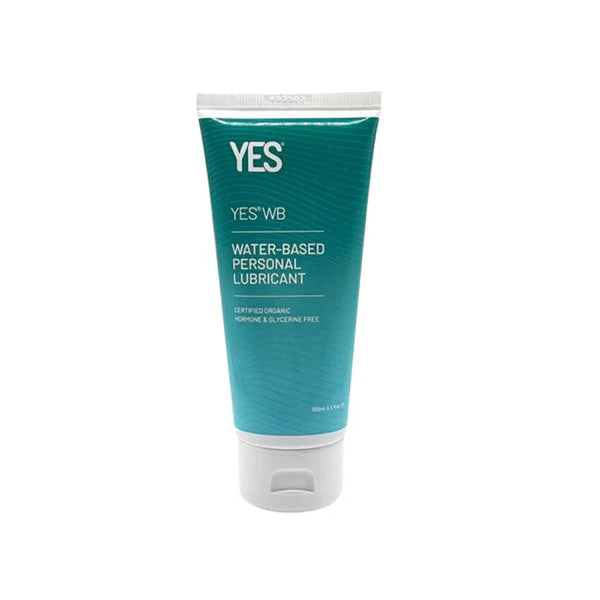
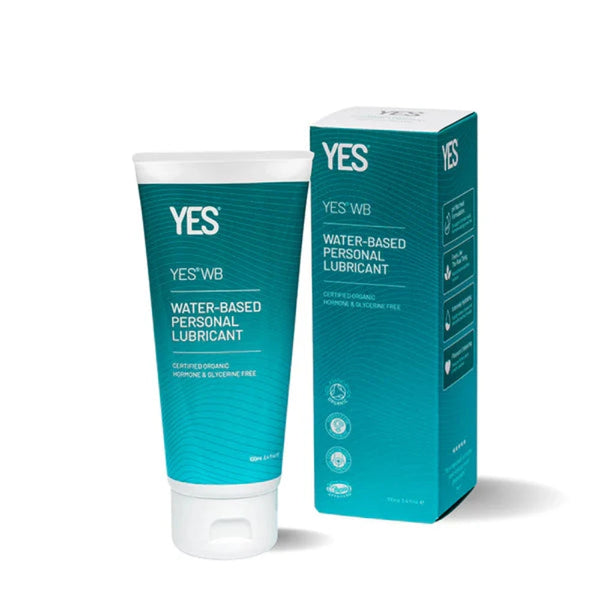
YES WB Water-Based Lubricant — certified organic, pH-balanced, glycerin-free, paraben-free.
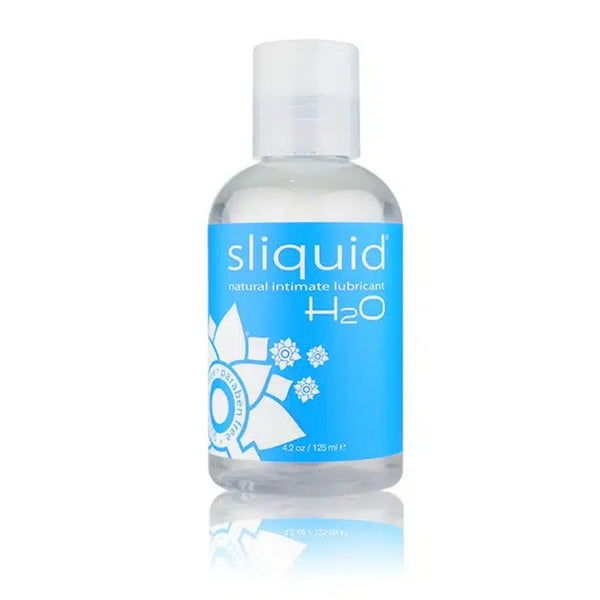
Sliquid H2O — clean water-based formula, free from all the ingredients above.
Sliquid Organics Natural — certified organic aloe-based formula, free from all the ingredients above.
JO Agapé Original — six ingredients and no botanical extracts at all. The shortest water-based list we stock, which makes it the easiest one to check if you react to a lot of products.
JO Aloe — the same base with aloe vera and hyaluronic acid added for a richer feel. Eight ingredients, still no glycerin, propylene glycol, parabens or fragrance.
Olive & Bee Intimate Cream — two ingredients: olive oil and beeswax. No preservatives, no synthetics, no glycerin.
YES VM Vaginal Moisturiser — certified organic vaginal moisturiser, free from all the ingredients above.
Uberlube — minimal-ingredient silicone lubricant with vitamin E. Because it contains no water, it needs no preservatives — which eliminates most of the ingredients on this list by default.
Shop all lubricants and moisturisers
Related reading: The Best Lubricants for Dryness & Pleasure: An Australian Guide | Natural Lubricants: What's Safe and What Isn't