Skip to content
Menu

Vaginal Dilators

Vaginal dilators are smooth, graduated tools used to gently stretch and relax the vaginal tissues, so penetration becomes more comfortable over time — most often for vaginismus, pain during sex, or recovery after menopause, surgery or radiation. These are the dilators Australian pelvic physiotherapists actually reach for: medical-grade silicone and firmer plastic options, in sizes from very small to large. Every dilator set is chosen by a pelvic health physiotherapist, stocked in Australia, and shipped discreetly in plain packaging.
Sorted by:

Filters

Which dilator set should you start with?

The right starting point depends on what's driving your symptoms, how sensitive the tissue is, and what your physiotherapist or doctor has recommended. For almost every situation other than post-radiation recovery, the sensible default is a tapered silicone set that starts small enough to feel manageable on day one, then steps up only as your body is ready.

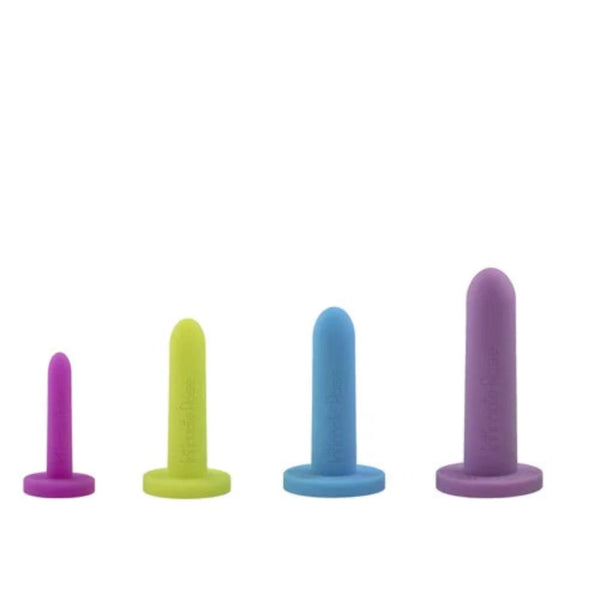
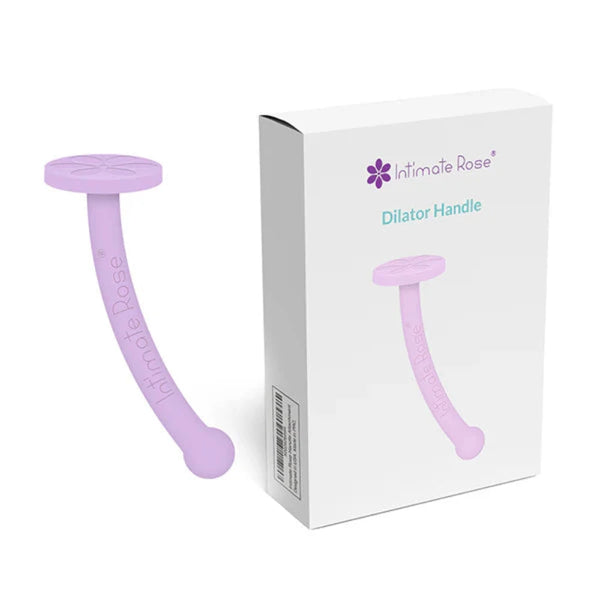
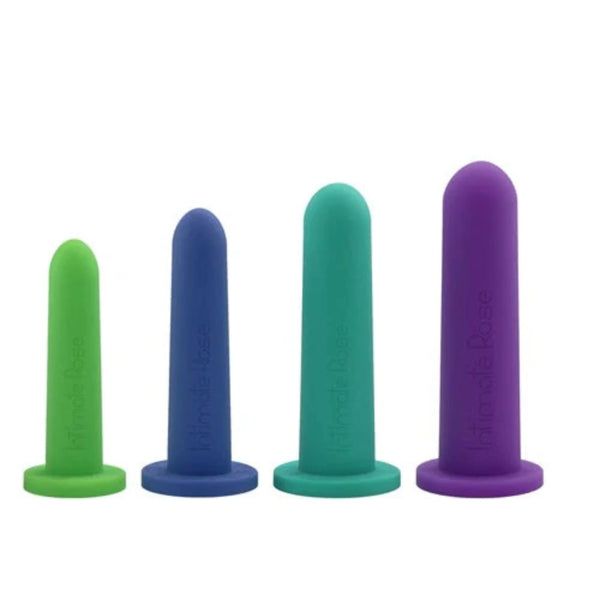
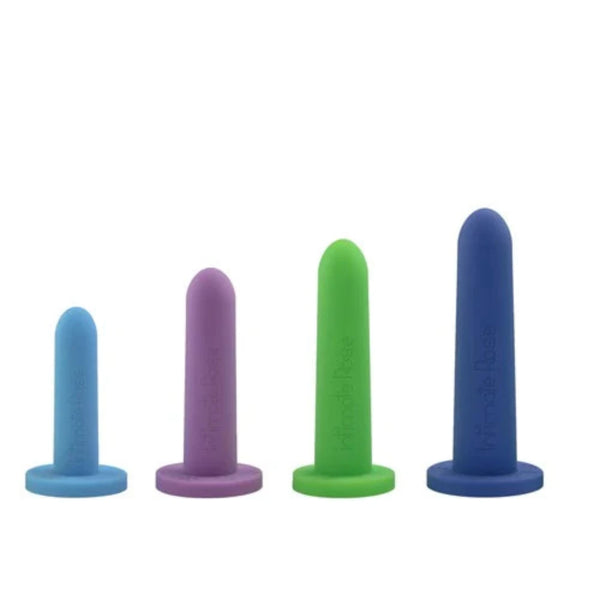
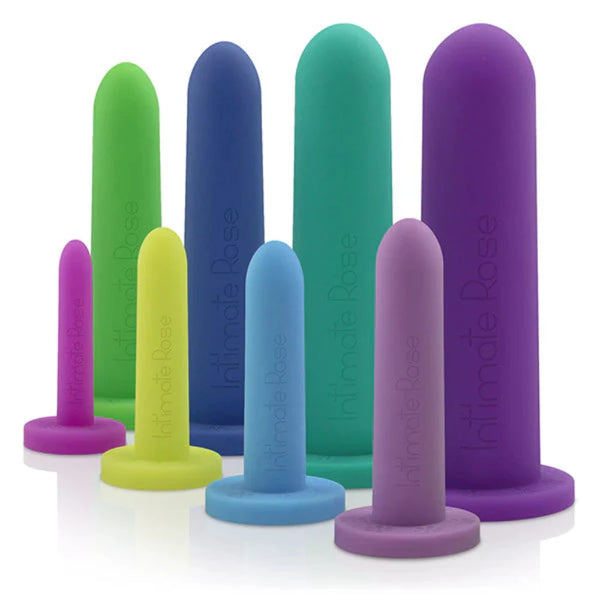
The Intimate Rose complete set runs the full range of eight graduated sizes in soft, medical-grade silicone, and the small set covers the early sizes on their own if you'd rather start there and add larger ones later. If reach, dexterity or anxiety about depth makes insertion harder, the Intimate Rose dilator handle clips on to give you more control.

Intimate Rose complete vaginal dilator set, eight graduated sizes in medical-grade silicone
Intimate Rose small vaginal dilator set, early graduated sizes in medical-grade silicone

How to set yourself up for dilator work

Position first: lie propped on pillows with your knees dropped out to the sides and supported, so your legs aren't working to hold you in place. Apply a water-based lubricant generously, to the dilator and to yourself. Insert slowly on a long exhale, because the pelvic floor naturally softens as you breathe out. From there, it's time and consistency that do the work, not force. About 10 to 15 minutes most days achieves more than one long, tense session a week. And silicone dilators take water-based lubricant only, so save silicone-based lubes for other uses.

Who uses vaginal dilators?

Dilator work usually begins with a recommendation from a pelvic health physiotherapist or doctor, often as part of a plan for vaginismus, pain with penetration, or tissue changes after menopause, pelvic surgery or radiation therapy. The right features depend on your situation. Soft silicone with a tapered tip suits sensitive tissue and anyone feeling anxious about insertion. Firmer plastic holds a consistent diameter, which is why it's often chosen after radiation therapy, where keeping the vaginal walls open matters most.

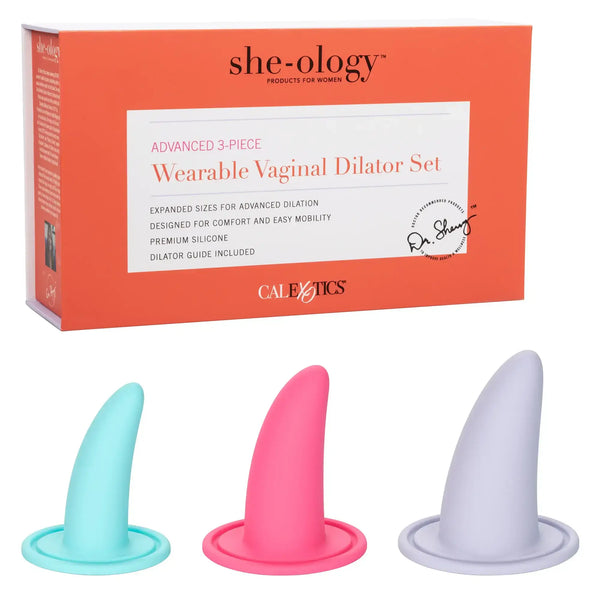
The Amielle Comfort set is the rigid-plastic option we stock, and it comes with a built-in handle. Wearable styles like the She-Ology sets stay in place hands-free, which some people find easier for building tolerance gradually. The comparison table further down breaks down every feature we stock.

She-Ology wearable vaginal dilator set, tapered silicone sizes with flared bases
Intimate Rose pelvic wand beside a graduated set of coloured vaginal dilators on linen, comparing the two pelvic floor tools

Dilator or pelvic wand? And where Blossom Pelvic Health fits

The two get confused, but they do different jobs. A dilator gives a gentle, full-diameter stretch around the whole vaginal wall. A pelvic floor wand applies targeted pressure to specific tight spots in the pelvic floor muscles, and plenty of people use both at different stages of the same plan.

Blossom Pelvic Health is physio-led: every product in this collection was chosen by an Australian physiotherapist, orders ship discreetly Australia-wide, and some private health extras policies rebate pelvic health products. See our health fund rebates page for how that works.

How to Choose the Right Vaginal Dilator: Feature Comparison Guide

Not sure which vaginal dilator is right for you? Use this table to compare materials, tip styles, wearability, and handle options -so you can choose a dilator that suits your comfort level, condition, and therapy goals.

Feature Best For Why It’s Used
Silicone Beginners, vaginismus, vulvodynia, general pelvic pain Soft and flexible, more comfortable for sensitive tissues
Plastic Post-radiation therapy, maintaining vaginal patency, firmer stretch needs Firmer and holds shape, provides consistent pressure
Tapered Tip Ease of insertion, anxiety, pelvic floor tightness Gradual entry reduces discomfort and improves compliance
Non-Tapered Tip Post-cancer treatment, maintaining vaginal shape, uniform stretch Consistent diameter helps preserve vaginal structure and prevent stenosis
Wearable Passive desensitisation, daily wear, building tolerance over time Hands-free option helps with consistent, prolonged use
Non-Wearable High pain levels, early stages of therapy, need for full control Allows user to adjust depth and pressure at own pace
Handle (Included or Optional) When reach or grip is difficult, post-op use, clinician recommendation Improves comfort and access, especially for hard-to-reach angles

F.A.Q

Vaginal dilators help gently stretch the vaginal tissues and relax the pelvic floor muscles. They’re used to reduce pain with penetration, support recovery after surgery, and help with conditions like vaginismus, dyspareunia, and menopause-related dryness.

Yes. Vaginal dilators are safe for home use when used correctly and progressively. Always start with the smallest size and apply a water-based lubricant. If you have concerns, speak to a pelvic health physiotherapist or doctor for guidance.

Everyone’s journey with dilator use is different. Some people may only feel comfortable with a few minutes at a time, while others might work up to 15–20 minutes. Many physiotherapists recommend using a dilator around 3 to 5 times per week, but it’s okay to go at your own pace. What matters most is feeling safe, relaxed, and supported.

No prescription is needed in Australia to purchase vaginal dilators. However, working with a pelvic health physio can help tailor your approach and improve results.

We recommend using a high-quality water-based lubricant that’s free from irritants like parabens or glycerin. Silicone-based lubricants are not recommended with silicone dilators.

A vagina spreader is a term sometimes used to describe devices that gently widen or stretch the vaginal opening. In a therapeutic context, these are more accurately called vaginal dilators, and they are designed for gradual, comfortable use to support pelvic floor health, recovery after surgery or radiation, or to ease discomfort during intimacy. While “vagina spreader” is not a medical term, some people use it when searching for vaginal dilators, so the products in this collection may suit both purposes.

Learn before you buy

Physio-led reading from the Blossom Pelvic Health blog.

Vaginal dilators in Australia, a physio-led comparison guide

Vaginal Dilators in Australia: A Comparison Guide

How the brands we stock compare on sizing, materials and design, so you can shortlist with confidence.

Read more
How to treat vaginismus at home, a physio-led guide

How to Treat Vaginismus at Home

What vaginismus is, why it happens, and the at-home approaches pelvic physios actually use.

Read more
What causes deep pain during sex in females, a physio-led guide to deep dyspareunia

What Causes Pain During Sex in Females?

A physio's guide to deep dyspareunia and the common causes worth ruling out.

Read more

Your Cart

Your Cart is empty
Let's fix that

Your Wishlist