Skip to content
Menu

Kegel Balls & Kegel Weights | Pelvic Floor Training AU

Kegel balls (also called kegel weights or vaginal weights) are training tools that support pelvic floor strength and awareness. Many women use them as part of postpartum recovery and pelvic floor exercise programs. The Blossom range covers beginner through advanced sets from Intimate Rose, Intimina, LELO and Svakom.

Sorted by:
Showing 6 of 6 products

Filters

Choosing the Right Kegel Weights for Pelvic Floor Training

Kegel weights and vaginal weights can be a helpful addition to pelvic floor exercises when used correctly. They provide gentle resistance and feedback, helping the pelvic floor muscles contract and relax more effectively.

The most important factors when choosing kegel balls or pelvic floor weights are weight, size, shape, comfort, and body-safe materials.

Many women assume heavier is better, but pelvic floor training is about control, not maximum load. Starting with a lighter or wider device is often more effective. Wider kegel balls are often easier to hold because they provide more surface contact and sensory feedback, while narrower devices require more precise muscle control.

Kegel pelvic exercise weights should never cause discomfort or straining. If you feel bearing down, discomfort, or difficulty holding the weight, it may be too heavy or not the right fit.

Our range focuses on quality, body-safe kegel weights designed for real pelvic floor rehabilitation and long-term pelvic health support.

Multiple kegel ball sets in soft pink and rose silicone on cream linen — choosing the right kegel weights for pelvic floor training in Australia
Single weighted kegel ball in blush silicone on a folded linen towel beside a glass of water — how kegel balls work for pelvic floor training

How Kegel Balls Work

When you insert a kegel ball, your pelvic floor muscles naturally contract to hold it in place. That gentle resistance gives your body real-time feedback — making it easier to find the right muscles, train them with control, and progress as your strength builds.

Most women start with a single, lighter ball and progress to heavier or smaller sets over weeks. Short sessions (5–15 minutes, 2–4 times per week) are more effective than long ones — pelvic floor muscles need rest to recover.

Beginner or Advanced?

If you're new to pelvic floor training, start with a single, larger, lighter kegel ball — wider devices are easier to hold and give more sensory feedback. Smaller, heavier devices need more precise muscle control and can frustrate beginners.

As your strength and control improve, you can progress to multi-ball sets, smaller diameters, or heavier weights. The Intimate Rose graduated set is a popular starting point. Intimina Laselle, LELO Luna and Svakom Nova all offer adjustable weight options for ongoing progression.

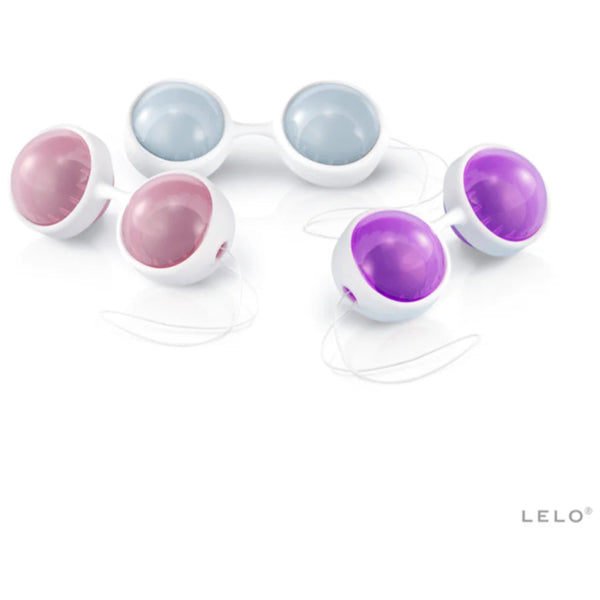
Kegel ball progression from beginner single ball to advanced multi-ball weighted sets in pink and purple silicone — pelvic floor training tools
Single pink kegel ball on marble beside a folded towel and eucalyptus sprig — when kegel balls aren't the right pelvic floor training tool

When Kegel Balls Aren't the Right Tool

Kegel balls aren't suitable for everyone. If you have pelvic pain, an overactive (tight) pelvic floor, vaginismus, prolapse symptoms, active infection, or are within the first six weeks postpartum, see a pelvic health physiotherapist for assessment first.

Strength training isn't always the answer — some pelvic floor issues need down-training, breathwork or coordination work instead. The right diagnosis comes first; the right tool comes second.

Kegel Weights & Kegel Balls FAQs

Many women search how to use kegel balls when starting pelvic floor training. Kegel balls are inserted into the vagina and held in place by gently contracting the pelvic floor muscles.

Start in a comfortable position such as lying down or seated. Insert the kegel ball using clean hands and a small amount of water-based lubricant if needed. Once inserted, gently contract your pelvic floor as if stopping the flow of urine. The goal is a gentle lift, not pushing or bearing down.

Short sessions of five to fifteen minutes are usually enough, two to four times per week. Pelvic floor muscles also need rest to recover.

Kegel balls should never cause pain or discomfort. If they feel difficult to hold or you notice straining, they may be too heavy or not the right size.

Correct technique matters more than duration. A pelvic health physiotherapist can assess your pelvic floor and guide you to ensure you are using kegel balls safely and effectively.

Kegel balls are small weighted devices used for pelvic floor muscle training. They are also called vaginal weights or pelvic floor exercise weights.

Their purpose is to provide feedback and gentle resistance. When inserted, the pelvic floor muscles naturally contract to hold the weight in place. This helps improve muscle awareness, coordination, and strength.

Women often use kegel balls for bladder leakage, postpartum recovery, and pelvic floor weakness. They can also support women returning to exercise after pregnancy.

Kegel balls are a training tool, not a quick fix. They work best as part of a pelvic floor program that includes correct contraction, relaxation, and breathing.

They are not suitable for everyone. Women with pelvic pain, overactive pelvic floor muscles, or certain medical conditions should seek professional guidance before using them.

Pelvic floor muscle training is strongly supported by research for improving bladder control and supporting pelvic organ support. Kegel balls can help because they provide physical feedback and resistance.

However, they are only effective when used correctly. Pelvic floor dysfunction is not always about weakness. Some women have tight or poorly coordinated muscles, and strengthening alone may not help.

Kegel balls work best for women who have confirmed pelvic floor weakness and can perform correct contractions. They are a tool to support training, not a replacement for proper assessment.

Many women notice improvements within six to twelve weeks when training is consistent and appropriate.

For best results, pelvic floor training should be individualised. A pelvic health physiotherapist can determine whether kegel balls are right for you.

Kegel balls are designed with a retrieval cord or handle, so they cannot get lost inside the body. The vagina is a closed canal, so kegel balls cannot travel beyond it.

When used as directed, kegel balls are generally safe for most women. They should be cleaned before and after use and used for short sessions rather than all-day wear.

They are not recommended during pregnancy unless advised by a healthcare professional. They should also be avoided if you have pelvic pain, infection, or recent pelvic surgery.

If a kegel ball feels difficult to remove, relaxing the pelvic floor and squatting can help. If discomfort or concern persists, medical advice should be sought.

Kegel balls and vaginal weights are available through pelvic health retailers in Australia. Choose body-safe, medical-grade silicone products from established brands rather than unbranded options where materials and safety can vary.

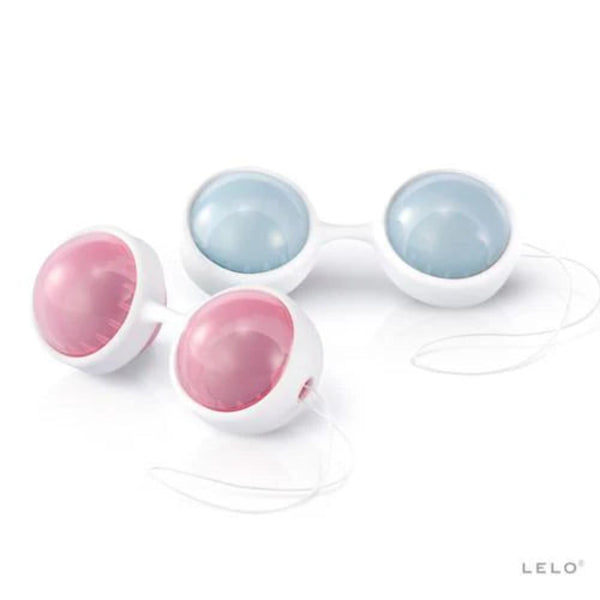
At Blossom Pelvic Health, our kegel weights are curated for comfort, body-safe materials, and progressive training options. The range starts at $21.90 (Intimina Laselle) and goes up to $129 (LELO Beads Plus interchangeable set).

If you're unsure which kegel balls to buy, starting with a lighter, wider option is usually best. The Intimate Rose graduated set ($90) is a strong all-rounder for first-time users.

Most pelvic floor training programs show measurable strength change within six to twelve weeks of consistent practice. Kegel balls add resistance and feedback to that program, but they're a tool, not a shortcut.

Two to four short sessions per week (5–15 minutes each) is typical. Track progress with a pelvic health physiotherapist where possible — they can confirm you're activating the right muscles and adjust the program if results plateau.

Yes, they're the same category of pelvic floor training device. Brands market them as kegel balls, kegel weights, vaginal weights, pelvic floor exercise weights, ben wa balls, or weighted kegel exercisers.

The mechanism is identical: a weighted device held in place by the pelvic floor muscles, providing resistance and sensory feedback during training. Differences come down to weight, size, shape, material, and whether the set is single or multi-ball with progressive options.

Quality body-safe kegel balls in Australia typically range from around $20 for a single beginner ball to $130 for full progressive sets. Cheaper unbranded balls can be found online but materials and safety standards vary.

The Blossom range starts at $21.90 (Intimina Laselle) and goes up to $129 (LELO Beads Plus). Mid-range options include the Svakom Nova ($70), Intimate Rose graduated set ($90), and LELO Luna Beads Classic ($99). Price reflects materials, weight progression options and brand reputation.

Learn More About Kegel Balls & Pelvic Floor Training

More on using kegel balls safely, strengthening your pelvic floor, and choosing the right vaginal weights. These guides cover the questions women ask most before and during a pelvic floor training program.

Several pastel-colored kegel exercise balls rest on a folded white towel, with a lit candle, perfume bottle, and flowers in the softly blurred background. Pink rose petals are scattered on the surface.

Kegel Balls Explained: What They Are, How They Work, and How to Use Them Safely

A complete guide to what kegel balls do, how they work mechanically, and how to use them safely from your first session through to advanced training. Covers technique, common mistakes, and when to scale up.

Read more
Bedside table with natural lubricant, herbal tea and lavender — menopause comfort routine

Menopause and Your Pelvic Floor

Many women notice pelvic floor changes through menopause — from new bladder symptoms to changes in tone and sensation. Why it happens, what to look for, and how training tools (kegel balls included) fit into the picture.

Read more
The Perifit Kegel Exerciser – Smart Pelvic Floor Trainer by Perifit features two silicone, bulb-shaped devices in pink and teal with rounded handles and white cords, designed for pelvic floor strengthening and shown on a white background.

Perifit vs Elvie: Which Pelvic Floor Trainer Is Better in Australia?

Considering a smart pelvic floor trainer instead of (or alongside) kegel balls? This comparison covers biofeedback accuracy, comfort, postpartum suitability and bladder leak support.

Read more

Your Cart

Your Cart is empty
Let's fix that

Your Wishlist