Most people who land on a page about pelvic wands have got there one of two ways. Either a pelvic floor physiotherapist mentioned one at their last appointment, or they've been doing their own quiet research after weeks (or months, or years) of pelvic pain, painful sex, or muscle tension that won't switch off.
If that's you, you're in the right place. This guide explains what a pelvic wand actually does, the conditions it can help with, and how to use one without making things worse.
What is a pelvic wand?
A pelvic wand (sometimes called a pelvic floor wand or pelvic release wand) is a slim, curved tool designed to release tension and trigger points inside the pelvic floor muscles. It looks fairly simple. The shape is the whole point.
That gentle curve lets you reach muscles sitting deep inside the pelvis: the levator ani, obturator internus, coccygeus, and the surrounding muscle sling. Externally, these muscles are almost impossible to access with your hands.
Pelvic wands are not the same thing as vaginal dilators. Dilators are designed to gently desensitise and stretch the vaginal opening, useful for vaginismus, post-radiotherapy vaginal narrowing, and superficial pain at penetration. Wands are designed to release deeper, internal muscle tension. People sometimes need both, and many of our clients use each at different stages of recovery. For the rigid-plastic dilator option most often used in pelvic physiotherapy clinics, we stock the Amielle Care and Comfort dilator sets. Our vaginal dilators guide explains the distinction in more detail.
How is a pelvic wand used?
Pelvic wand work is internal myofascial release. You apply light, sustained pressure to tight or tender spots in the pelvic floor. You are not pushing through pain, not stretching, not exercising the muscle. The aim is for the muscle to soften.
This is the part that catches a lot of first-time users out. The instinct is to push harder when something feels tight. With pelvic floor muscles, the opposite works: gentler pressure, slower breath, longer holds. Force makes the muscle guard. Patience lets it let go.
A pelvic wand is usually inserted vaginally, sometimes rectally (particularly for men, or for posterior pelvic floor pain in either sex). You guide the curved tip toward a tender area, hold gentle pressure, and breathe through it for 30 to 60 seconds. The session ends when the muscle has released or you've had enough. Ten to fifteen minutes is usually plenty.
If you'd like a walk-through with positions, hand technique, and how to find a trigger point in the first place, our step-by-step pelvic wand technique guide covers all of that.
What conditions can a pelvic wand help with?
A wand is a tool, not a treatment. It supports a pelvic health plan. It doesn't replace one. That said, there are a handful of conditions where a wand earns its place.
- Pelvic floor tension and tightness - when pelvic floor muscles run permanently switched-on, they can cause pain with intercourse, discomfort with tampons or menstrual cups, a sense of pelvic pressure that won't shift, and difficulty emptying the bowels. A wand helps these muscles unclench.
- Chronic pelvic pain - a lot of persistent pelvic pain has a muscular component. Trigger points in the obturator internus or levator ani refer pain into the pelvis, hips, tailbone, and lower abdomen, and they're notoriously hard to release with anything other than direct internal pressure.
- Vaginismus and dyspareunia - for some people the entry-level pain comes from a protective tightening response (vaginismus), and the deeper pain comes from levator tension. Wands and dilators often work in tandem here. Dilators do their work at the entrance, the wand reaches the deeper muscles. Our guide to treating vaginismus at home walks through that pairing.
- Endometriosis-related pelvic floor tension - endometriosis often comes with secondary muscle guarding. The pelvic floor learns to brace because something nearby has been hurting for years. Releasing that bracing can take real pressure off, even when the underlying endometriosis is being managed elsewhere.
- Postpartum pelvic recovery - birth changes pelvic floor muscle behaviour. Some people end up with tense, scar-sensitive tissue rather than weakness, and a wand can support that recovery. Anyone postpartum should have a pelvic floor physio assessment before starting internal work. There's too much variation in healing for blanket advice.
- Myofascial pelvic pain - pelvic floor muscles develop tight, sensitive bands like any other muscle. Targeted release helps the band let go and the surrounding tissue calm down.
What are the benefits of a pelvic wand?
The main benefits of a pelvic wand are precision, continuity, and awareness. The curved shape reaches deep pelvic floor muscles you can't access externally. It supports daily self-care between physio sessions. And it teaches you where tension actually lives in your own body.
That third one quietly does the most work. Most people with pelvic pain have no clear sense of what their pelvic floor is doing from one hour to the next. Working with a wand teaches you what your trigger points feel like, which positions help, and which movements or moments of stress flare them up.
Continuity matters too. Pelvic floor physio sessions are usually once a week or once a fortnight, which leaves a lot of days in between. A wand lets you keep doing the work gently and safely in your own time, so the gains from your physio appointments don't quietly slip away between visits.
What about a vibrating pelvic wand?
Vibrating wands add a layer of sensory input that helps the muscles relax. Vibration distracts the nervous system slightly, can ease pain perception, and seems to make the release easier for people who find sustained pressure uncomfortable.
Are they necessary? No. Plenty of clinicians use non-vibrating wands and get excellent results. But if pressure alone feels difficult, or you've used a non-vibrating wand and felt yourself bracing every time you tried, a vibrating option is worth considering. The Intimate Rose Vibrating Pelvic Wand is the one we stock and reach for most often. Both vibrating and non-vibrating options sit inside our pelvic wand collection for side-by-side comparison.
How long does it take for a pelvic wand to work?
It depends on how long the muscles have been tight and what else you're doing alongside it.
For acute pelvic floor tension (a flare after a hard week, a stretch of poor sleep, a stressful month), many people feel a difference inside the first one or two sessions. For longstanding tension, the timeline runs in weeks to months. The pattern most of our clients describe: less constant background ache by week two, fewer pain flares with intercourse or bowel motions by week four to six, and growing confidence in their pelvic floor's ability to relax by week eight to twelve.
Progress isn't linear. Most people have weeks where everything feels easier, then a flare that makes them wonder whether it's working. Keep going. A flare is usually a sign the muscle is being asked to do something new, not a sign of regression.
How often should you use a pelvic wand?
Most pelvic floor physios start clients on three to four short sessions per week, around 10 to 15 minutes each. Daily use can be appropriate during acute flares but isn't usually necessary long-term. Several sessions a week is enough once the pelvic floor muscles are calmer.
If using the wand consistently makes things worse rather than better, stop and check in with your physio. Either the technique needs adjusting, or your pelvic floor is one of the few where another approach (breath work, lower-load relaxation, addressing pain drivers elsewhere) needs to come first.
Choosing a pelvic wand
Look for a curved, ergonomic body, smooth medical-grade material, and a handle that gives you real control. A wand should feel easy to hold from any angle, and the tip shouldn't catch on tissue.
Our default recommendation across the clinic is the Intimate Rose pelvic wand. The curve and the silicone finish are well-pitched for first-time users and experienced clinicians alike.
How to use a pelvic wand safely
A few non-negotiables, in plain order:
- Give yourself privacy and time - rushed sessions are sore sessions. Twenty minutes uninterrupted is enough.
- Breathe before you start - a few slow breaths down into the belly switch off the bracing response.
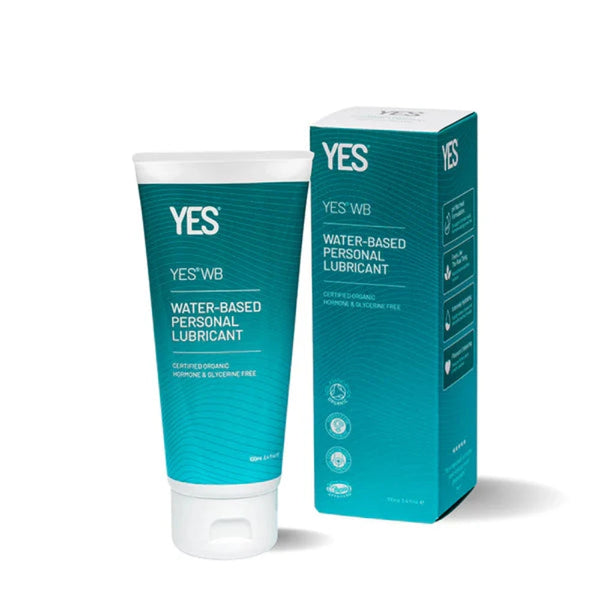
- Use a good water-based lubricant - the wand and the vaginal entrance both need it. Choose a body-safe option free from unnecessary irritants. Our water-based lubricant collection includes the brands we recommend most often (YES and Sliquid).
- Get comfortable first - lying on your back with knees bent, or side-lying with a pillow between the knees, both work well.
- Insert only as far as comfortable - never push past sharp pain. Some tenderness in a trigger point is expected. Sharp, electric, or radiating pain is not.
- Hold each tender point for 30 to 60 seconds - breathing slowly while you do. The sensation often softens partway through the hold.
A note on first-session pain. A lot of people are surprised by how tender the muscles feel the first time they try a wand. That's usually a sign the tension is real, not a sign you've done something wrong. If anything feels truly painful (rather than uncomfortable), back off the pressure or stop. A gentle session that goes well is worth more than a hard one that puts you off using the wand again.
When to seek professional advice
A pelvic wand is not the right tool for everyone. Pause and talk to a clinician before using one if you are:
- pregnant
- managing an active pelvic infection
- experiencing unexplained vaginal bleeding
- managing a significant pelvic organ prolapse
- in severe or sudden pelvic pain you can't explain
A pelvic floor physiotherapist can confirm whether a wand suits your particular pattern and show you safe technique on the first session. Wands work better when paired with everything else a physio teaches: breathing patterns, relaxation strategies, movement retraining, and the gentle education that comes from understanding your own pelvic floor.
Common questions
Is it supposed to hurt?
Some tenderness in a trigger point is normal. Sharp pain is not. Pressure should feel firm but tolerable, and the sensation usually softens during the hold.
How often should I use it?
Three to four short sessions per week is the typical starting point. Many people scale that back once their pelvic floor is calmer.
Is the vibrating version necessary?
No. Vibration can make release easier for some people, but plenty of clinicians use non-vibrating wands with excellent results.
Where do you put a pelvic wand?
Most commonly vaginally for women. For men, or for posterior pelvic floor pain in either sex, rectal use is sometimes appropriate. Rectal wand work is best started with a physio's guidance.
Final thoughts
Pelvic wands won't fix every pelvic floor problem. They will, for the right pattern of pelvic floor tension and pain, do real work that nothing else accessible at home can match.
If a wand might fit into your pelvic health plan, an assessment with a pelvic floor physiotherapist is the first step. You can also see what we stock and why in our pelvic wand collection. Every option is one we'd recommend to a client in the clinic.