Skip to content
Menu
Skip to product information

Serola

Serola Sacroiliac Belt — SI Joint & Pelvic Girdle Pain Relief

  • Targeted solution for those suffering from lower back, pelvic, and hip pain
  • Stabilises the sacroiliac joint
  • Fully adjustable for a secure fit
$70.00 AUD

Currently, 4 items are in stock!

Order within the next 23 hours 11 minutes to receive it. Estimated delivery is between Monday, 20 Apr and Monday, 27 Apr.

Serola Sacroiliac Belt for Lower Back, Pelvis, and Hip Pain Relief

The Serola Sacroiliac Belt is a targeted solution for those suffering from lower back, pelvic, and hip pain. Specifically designed to support the sacroiliac (SI) joint, this belt helps alleviate discomfort by stabilizing the area and reducing strain on the surrounding muscles. Its lightweight and comfortable design ensures it can be worn daily without any inconvenience, making it an ideal choice for those with SI joint dysfunction, chronic lower back pain, or pelvic instability. Whether you are pregnant or experiencing joint discomfort, the adjustable fit offers personalized support, enhancing your mobility and overall well-being.

Features:

  • Ideal for use during pregnancy
  • Lightweight construction for daily wear
  • Comfortable design that doesn't restrict movement
  • Adjustable fit to suit individual needs

Benefits:

  • Provides targeted pain relief for the lower back, pelvis, and hips
  • Stabilizes the sacroiliac joint, reducing strain on muscles
  • Enhances mobility with comfortable, non-restrictive support
  • Adjustability ensures a personalized, secure fit

Sizes: 

Available in Small, Medium, Large, and X-Large

Materials:

  • Durable, breathable, non-slip fabric
  • Elastic for flexibility and comfort
  • High-quality hook-and-loop fasteners

Uses:

  • Treatment of SI joint dysfunction
  • Alleviation of lower back and pelvic pain
  • Support during pregnancy

  • Free shipping for orders over $100 (Australia only)
  • Orders are dispatched within 1-3 business days.
  • All items are located within Australia.
  • You will receive an email confirmation once your order has been dispatched with your order number and shipping method.
  • If stock needs to be sent from more than one warehouse, you will receive multiple packages with multiple tracking numbers.
  • All intimate products are shipped with discreet packaging.
  • If you require products urgently, please contact us directly to confirm the stock location so that we can endeavor to process and dispatch your order as a priority.

Change of Mind Purchases

Due to the intimate nature of our products, we do not accept returns or exchanges for change-of-mind purchases.

The exception for this is SRC Health Products

  • SRC Recovery garments must be returned within 30 days of purchase
  • SRC Non recovery products must be returned within 14 days of purchase
  • All items are required to be returned in their original unworn condition, with their garment tags and labels in place.
  • Shipping costs are non-refundable.
  • To initiate a SRC Health product return, please contact hello@blossompelvichealth.com.au for further instructions 


Faulty / Damaged Item

If an item is faulty or damaged, please contact us immediately at hello@blossompelvichealth.com.au so that we can resolve the issue as soon as possible. 


Incorrect Order 

If you receive an incorrect order, please contact us immediately at hello@blossompelvichealth.com.au so that we can resolve the issue as soon as possible.

Frequently Bought Together

  • Serola Sacroiliac Belt — SI Joint & Pelvic Girdle Pain Relief (This item)

    $70.00

  • Spikey Massage Ball — Trigger Point & Myofascial Release Tool

    $10.00

  • 66fit Exercise Ball — Physiotherapy & Pregnancy Fitness Ball

    $30.00

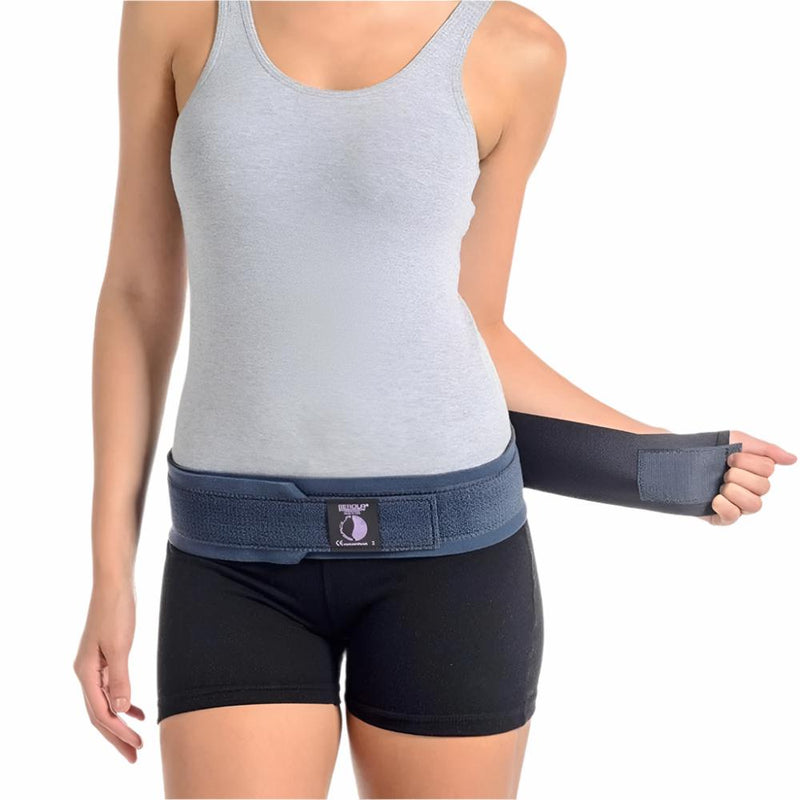
A woman in a gray tank top and black shorts demonstrates how to wear the Serola Belt - Pregnancy Sacroiliac Belt by Serola. Smiling at the camera, she holds one end of the belt in her right hand against a white background.
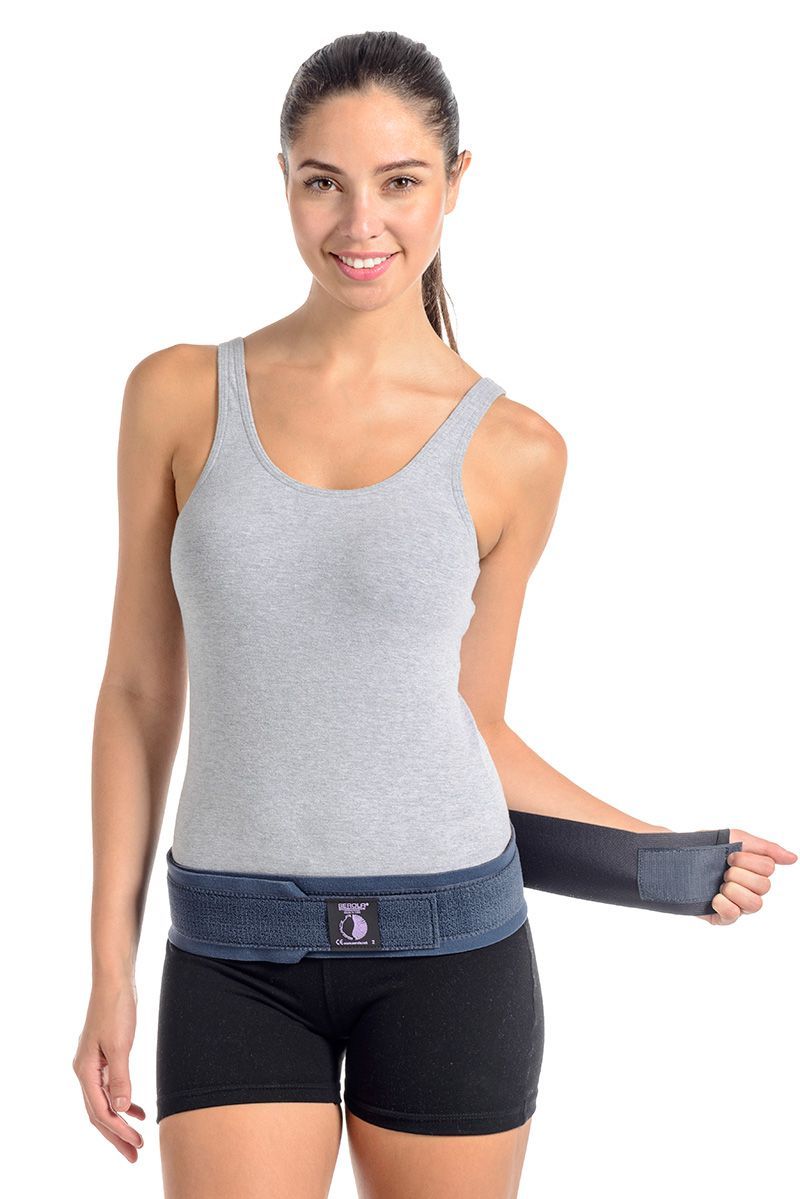
A woman wearing a gray tank top and black shorts stands smiling while fastening a black back support brace around her waist with a Velcro strap. Her hair is tied back. The background is plain white.

Serola Sacroiliac Belt

Relieve Pain, Regain Comfort, and Restore Balance with the Serola SIJ Belt

Are you tired of living with back pain, hip discomfort, or pelvic instability? Whether you're managing the demands of pregnancy, recovering postpartum, or dealing with conditions like Sciatica, Symphysis Pubis Dysfunction, or Sacroiliac Joint Pain, the Serola Belt is here to help.

Targeted Support for Your Core
Designed with advanced compression technology, the Serola belt provides firm yet flexible support to stabilise your pelvic region which can help to alleviate pain in your pelvic girdle, lower back and hips.

Comfort You Can Count On
Lightweight, breathable, and fully adjustable, the Serola SIJ belt molds to your body for a custom fit, giving you the confidence to move freely and comfortably.

Your Go-To Solution for Everyday Relief
Whether you're navigating the physical demands of daily life or seeking relief from conditions like pregnancy, back and hip pain, the serola belt is your trusted companion for pain management and mobility.

Serola Biomechanics Belt FAQ — Serola Sacroiliac Belt for Pregnancy, Serola SIJ Belt for Pelvic Girdle Pain & SI Joint Support Australia

Everything you need to know about the Serola Biomechanics Belt (also known as the Serola Sacroiliac Belt or Serola SIJ Belt) for pregnancy SI joint pain, pelvic girdle pain (PGP), and lower back discomfort. Find answers to the most commonly searched questions including how to wear the Serola belt during pregnancy, Serola belt sizing, where to buy a Serola sacroiliac belt in Australia, Serola belt placement, and how it supports pelvic stability throughout all trimesters. Recommended by physiotherapists and trusted by thousands of Australian women.

The Serola Biomechanics Belt, commonly referred to as the Serola Sacroiliac Belt or Serola SIJ Belt, is a clinically designed support belt made by Serola Biomechanics Inc. that targets the sacroiliac (SI) joints located at the base of your spine where it connects to the pelvis. During pregnancy, your body produces a hormone called relaxin, which loosens the ligaments around your pelvis to prepare for childbirth. While this is a natural and necessary process, it often leads to instability in the SI joints, causing pain in the lower back, hips, and pelvic region.

The Serola belt works by acting as an external ligament, compressing and stabilising the pelvic girdle to reduce the strain placed on overstretched ligaments and surrounding muscles. It sits low on the hips, not around the belly, and uses a combination of elastic and non-elastic layers to provide firm yet comfortable support without restricting your movement.

Research shows that approximately 80 percent of pregnant women experience some form of pelvic girdle or lower back pain, and studies have demonstrated that sacroiliac belts can reduce posterior pelvic pain in up to 82 percent of users. The Serola belt is one of the most widely recommended SI joint belts by physiotherapists, chiropractors, and obstetricians in Australia and internationally. It is lightweight, breathable, and can be worn under or over clothing during everyday activities, exercise, or while resting. Whether you are experiencing SI joint dysfunction, symphysis pubis dysfunction (SPD), sciatica, or general pregnancy-related lower back pain, the Serola belt provides targeted, evidence-based support to help you stay comfortable and mobile throughout your pregnancy.

There is no single right time to start wearing a Serola Sacroiliac Belt during pregnancy, as it depends on when your symptoms begin. Many women start experiencing SI joint pain or pelvic girdle discomfort during the second trimester, around 14 to 20 weeks, as the hormone relaxin increases and the growing uterus places additional pressure on the pelvis. If you are feeling pain in your lower back, hips, or around the sacroiliac joints, that is generally a good time to begin using the belt.

Some women with a history of pelvic instability, previous pregnancy-related pelvic pain, or pre-existing SI joint dysfunction may benefit from wearing the belt earlier, even in the first trimester, as a preventive measure. If you have had SPD or PGP in a previous pregnancy, early use can help stabilise the pelvis before symptoms escalate.

It is important to consult your physiotherapist, obstetrician, or midwife for personalised advice on when to start. They can assess your pelvic alignment and pain levels and recommend the most appropriate timing. The Serola belt is safe to use throughout all trimesters and can also be worn postpartum to support recovery as your ligaments gradually tighten back to their pre-pregnancy state.

Many women find the belt most beneficial during activities that aggravate their symptoms, such as walking, standing for extended periods, climbing stairs, or rolling over in bed. You do not necessarily need to wear it all day, but consistent use during symptomatic activities typically provides the best outcomes. Starting early and using the belt as part of a broader treatment plan that includes pelvic floor exercises and physiotherapy will give you the greatest relief.

Knowing how to measure for a Serola sacroiliac belt is one of the most common questions we receive, and choosing the correct size is essential for the Serola Biomechanics Belt to work effectively. Unlike a belly band that wraps around your abdomen, the Serola belt sits low on your hips at the level of the sacroiliac joints, so you need to measure your hip circumference rather than your waist or belly.

To measure correctly, stand upright and bring one knee up towards your chest. Place your finger in the crease of your hip — this marks the level where the belt should sit. Using a soft tape measure, wrap it around your hips at this level and note the circumference. The Serola belt is available in four sizes: Small (up to 86cm), Medium (86cm to 102cm), Large (102cm to 117cm), and Extra Large (117cm to 132cm).

During pregnancy, your hip measurement may increase as your pelvis widens and your body retains fluid. It is generally recommended to measure yourself at the time of purchase rather than using your pre-pregnancy measurements. If you are between sizes, choose the larger option, as the belt is fully adjustable with hook-and-loop fasteners and can be tightened to provide a snug, secure fit.

Some women find that as their pregnancy progresses into the third trimester, they may need to move up a size or purchase a Serola Belt Extender, which adds extra length to accommodate growth. The extender is a practical and affordable option if your hips expand beyond your original belt size.

If you are unsure about sizing, your physiotherapist can help you measure and fit the belt correctly. A well-fitted Serola belt should feel firm and supportive without digging in, pinching, or restricting your breathing. Proper positioning is key — it should sit below your belly and across the widest part of your hips.

Knowing how to measure for a Serola sacroiliac belt is one of the most common questions we receive, and choosing the correct size is essential for the Serola Biomechanics Belt to work effectively. Unlike a belly band that wraps around your abdomen, the Serola belt sits low on your hips at the level of the sacroiliac joints, so you need to measure your hip circumference rather than your waist or belly.

To measure correctly, stand upright and bring one knee up towards your chest. Place your finger in the crease of your hip — this marks the level where the belt should sit. Using a soft tape measure, wrap it around your hips at this level and note the circumference. The Serola belt is available in four sizes: Small (up to 86cm), Medium (86cm to 102cm), Large (102cm to 117cm), and Extra Large (117cm to 132cm).

During pregnancy, your hip measurement may increase as your pelvis widens and your body retains fluid. It is generally recommended to measure yourself at the time of purchase rather than using your pre-pregnancy measurements. If you are between sizes, choose the larger option, as the belt is fully adjustable with hook-and-loop fasteners and can be tightened to provide a snug, secure fit.

Some women find that as their pregnancy progresses into the third trimester, they may need to move up a size or purchase a Serola Belt Extender, which adds extra length to accommodate growth. The extender is a practical and affordable option if your hips expand beyond your original belt size.

If you are unsure about sizing, your physiotherapist can help you measure and fit the belt correctly. A well-fitted Serola belt should feel firm and supportive without digging in, pinching, or restricting your breathing. Proper positioning is key — it should sit below your belly and across the widest part of your hips.

The Serola Sacroiliac Belt and a pregnancy belly band are two distinct products that serve different purposes, and understanding the difference is important for choosing the right support for your symptoms.

The Serola Sacroiliac Belt is specifically designed to stabilise the sacroiliac joints and pelvic girdle. It sits low on the hips, below the belly, and applies targeted compression across the SI joints and pubic symphysis. It works by acting as an external ligament, helping to hold the pelvic bones in proper alignment when the natural ligaments have become lax due to pregnancy hormones. This makes it particularly effective for SI joint dysfunction, pelvic girdle pain (PGP), symphysis pubis dysfunction (SPD), and posterior pelvic pain.

A pregnancy belly band, on the other hand, is designed primarily to support the weight of the growing abdomen. It typically wraps around the lower belly and sometimes the lower back, lifting the bump to reduce the downward pull on the spine and pelvis. Belly bands are commonly used for general lower back pain, round ligament pain, abdominal muscle separation (diastasis recti), and overall comfort as the belly grows.

The key distinction is the target area and mechanism. The Serola belt focuses on pelvic joint stability, while a belly band focuses on abdominal support and load redistribution. Some women benefit from using both products together, wearing the Serola belt on the hips for pelvic stability and a belly band higher up for bump support.

If your primary symptoms are centred around the SI joints, lower back, or pelvis, the Serola belt is likely the better choice. If your discomfort is more related to the weight of your belly pulling on your back or round ligament stretching, a belly band may be more appropriate. Your physiotherapist can assess your specific condition and recommend whether one or both products would benefit you.

Yes, the Serola Sacroiliac Belt can help relieve sciatica symptoms during pregnancy, particularly when the sciatic pain is related to SI joint dysfunction or pelvic instability. True sciatica involves compression or irritation of the sciatic nerve, which runs from the lower back through the buttocks and down each leg. During pregnancy, this can occur due to several factors including the growing uterus pressing on the nerve, pelvic joint instability causing muscular tightness that compresses the nerve, or postural changes that alter spinal alignment.

When the sacroiliac joints are unstable, the surrounding muscles, particularly the piriformis muscle deep in the buttock, can tighten and spasm as they try to compensate for the lack of joint stability. This muscular tightness can compress or irritate the sciatic nerve, causing shooting pain, numbness, or tingling down one or both legs. By stabilising the SI joints, the Serola belt reduces the need for these muscles to overwork, which can in turn relieve the pressure on the sciatic nerve.

It is worth noting that not all pregnancy-related leg or buttock pain is true sciatica. Posterior pelvic pain, which is pain in the back of the pelvis that can radiate into the buttock and upper thigh, is actually more common during pregnancy and is often mistaken for sciatica. The Serola belt is highly effective for this type of pain as well, since it directly addresses the pelvic instability that causes it.

For the best outcomes with sciatica during pregnancy, the Serola belt should be used as part of a comprehensive management plan. This might include gentle stretching, particularly of the piriformis and gluteal muscles, strengthening exercises for the pelvic floor and core, heat or cold therapy, and regular physiotherapy sessions. If your sciatic symptoms are severe, persistent, or accompanied by weakness or loss of bladder control, you should seek medical advice promptly.

Absolutely. The Serola Sacroiliac Belt is designed to support an active lifestyle during pregnancy, and many women find that wearing it during exercise significantly reduces their pelvic and lower back pain, allowing them to maintain their fitness routine safely. The belt's lightweight, non-restrictive design means it does not limit your range of movement, making it suitable for a variety of pregnancy-safe exercises.

Walking is one of the most common activities where the Serola belt provides noticeable relief. The repetitive motion of walking can aggravate SI joint instability, and the belt helps stabilise the pelvis with each step, reducing the jarring sensation many women experience. It is also beneficial during prenatal yoga, Pilates, swimming preparation, light strength training, and general stretching routines.

When exercising with the belt, ensure it is snugly fitted but not so tight that it restricts your breathing or causes discomfort. The belt should sit securely on your hips and stay in place during movement. If it rides up or shifts, it may need to be re-adjusted or you may need to check your sizing.

It is important to remember that the belt supports your pelvis but does not replace the need for proper exercise form and technique. Pregnancy-safe exercises that strengthen the pelvic floor, glutes, and deep core muscles are essential for building your body's own stability system. Your physiotherapist can recommend specific exercises that complement the belt and target the muscles around your SI joints.

Avoid high-impact activities, heavy lifting, or any exercise that causes sharp pain even with the belt on. The belt is a supportive tool, and you should always listen to your body. If an activity feels uncomfortable or painful despite wearing the belt, modify or stop the exercise and consult your healthcare provider.

Yes, the Serola Sacroiliac Belt is safe to use throughout all stages of pregnancy and into the postpartum recovery period. It is a non-invasive, drug-free support device that has been recommended by physiotherapists, chiropractors, and obstetricians for decades. The belt does not apply any pressure to the abdomen or uterus — it sits low on the hips and only compresses the pelvic girdle, making it completely safe for both mother and baby.

During pregnancy, the belt helps compensate for the increased ligament laxity caused by hormonal changes, providing external stability to the sacroiliac joints and pubic symphysis. This is particularly important in the second and third trimesters when relaxin levels are highest and the additional weight of the growing baby places more strain on the pelvis.

Postpartum, the Serola belt continues to provide valuable support. After delivery, it can take several months for your ligaments to return to their pre-pregnancy tension. During this time, your pelvis may still feel unstable, especially during activities like lifting, carrying your baby, breastfeeding, or returning to exercise. Wearing the Serola belt during the postpartum period helps support the pelvis while your body heals naturally.

The belt is made from durable, breathable, non-slip fabric with elastic components for flexibility and high-quality hook-and-loop fasteners for secure adjustment. There are no hard plastic or metal components that could cause discomfort or pose a risk during pregnancy.

As with any support device, it is recommended that you use the belt under the guidance of a healthcare professional, particularly if you have any pre-existing conditions. Your physiotherapist can ensure the belt is correctly positioned and incorporated into a holistic treatment plan that includes strengthening exercises and manual therapy as appropriate.

The Serola Sacroiliac Belt is one of the most established and widely recommended SI joint belts available in Australia, and it holds a strong reputation among healthcare professionals for its clinical design and effectiveness. When comparing it to other options on the market, several factors set the Serola apart.

The Serola belt features a patented design that uses both elastic and non-elastic layers to provide a unique combination of compression and stability. The non-elastic base layer provides firm structural support, while the elastic outer layer allows for comfortable adjustment and flexibility during movement. This dual-layer approach is designed to mimic the natural function of healthy ligaments, which is why the belt is often described as acting like an external ligament for the pelvis.

Compared to generic or budget SI belts, which are often made from a single layer of elastic material, the Serola provides more targeted and consistent compression. Cheaper belts tend to roll, slip, or lose their tension throughout the day, which can reduce their effectiveness and cause frustration. The Serola belt's non-slip design and secure hook-and-loop fasteners keep it firmly in place even during activity.

Other well-known options in Australia include the GRDL Pregnancy Belt, which is specifically designed by a pelvic health physiotherapist and focuses on pregnancy pelvic support with a soft neoprene construction, and the Belly Bands Maternity Sacroiliac Belt, which combines SI joint support with belly support functionality. Each product has its strengths depending on your needs.

The Serola belt is priced at $70, making it a mid-range option that offers excellent value given its durability and clinical backing. It is available from physiotherapy clinics and specialist retailers like Blossom Pelvic Health, where you can also access professional fitting advice. If you are unsure which belt is right for you, consulting a pelvic health physiotherapist will help you make an informed choice based on your specific symptoms and support needs.

If you are searching for where to buy a Serola sacroiliac belt in Australia, specialist pelvic health retailers like Blossom Pelvic Health stock the genuine Serola Biomechanics Belt with expert fitting advice and fast Australian shipping. Whether you can claim the Serola belt on your private health insurance depends on your specific policy and health fund provider. In Australia, some private health insurance funds allow claims for therapeutic support devices and aids when they are prescribed or recommended by a registered healthcare professional such as a physiotherapist, chiropractor, or doctor.

To maximise your chances of a successful claim, obtain a written recommendation or prescription from your treating healthcare professional that specifies the Serola Sacroiliac Belt as a necessary therapeutic device for your condition. This documentation should include your diagnosis, such as sacroiliac joint dysfunction, pelvic girdle pain, or symphysis pubis dysfunction, and explain why the belt is part of your treatment plan.

Some health funds include coverage for support devices under their physiotherapy, chiropractic, or aids and appliances categories. Others may require the product to be classified as a TGA-registered medical device. It is advisable to contact your health fund directly before purchasing to confirm whether the Serola belt is covered under your policy and what documentation is required for a claim.

If your health fund does not cover the belt directly, you may still be able to claim the physiotherapy consultation where the belt is prescribed and fitted. Additionally, if you have a Health Savings Account (HSA) or flexible spending arrangement, the belt may qualify as an eligible expense.

At $70, the Serola belt is an affordable investment in your comfort and mobility during pregnancy, even without insurance coverage. Many women find that the pain relief and improved function it provides far outweigh the cost, particularly when compared to the expense of ongoing manual therapy sessions or pain medication. Purchasing from an Australian retailer like Blossom Pelvic Health ensures you receive genuine product with local support and fast shipping.

A woman in a gray tank top and black shorts demonstrates wearing the Serola Belt - Pregnancy Sacroiliac Belt by Serola, fastening the Velcro strap around her hips for SI joint support and lower back pain relief while smiling at the camera.

Serola Sacroiliac Belt — SI Joint & Pelvic Girdle Pain Relief

$70.00

Your Cart

Your Cart is empty
Let's fix that

Your Wishlist