Skip to content
Menu
Skip to product information

GRDL

GRDL Pregnancy Support Belt — Pelvic & Back Pain Relief

  • Relieves Pelvic Girdle & Back Pain – targeted support for pregnancy comfort
  • Adjustable, Breathable Design – discreet fit for all trimesters
  • Physio Recommended Support – trusted pelvic stability for daily movement
$75.00 AUD

Only, 2 items are in stock!

Order within the next 23 hours 11 minutes to receive it. Estimated delivery is between Friday, 05 Jun and Friday, 12 Jun.

GRDL Pregnancy Belt – Designed by a Pelvic Health Physio

The GRDL Pregnancy Belt is a premium pelvic support belt, created by an Australian Women’s & Pelvic Health Physiotherapist to provide comfort, stability, and support throughout pregnancy.

Up to 72% of pregnant women experience Pelvic Girdle Pain (PPGP) or Low Back Pain (PLBP), and many also report hip pain as their pregnancy progresses. The GRDL maternity pelvic belt is designed to reduce pain, improve function, and make everyday activities easier, helping women stay active and supported.

Made from soft neoprene with nylon and spandex, the belt is latex-free, lightweight, and breathable. This non-rigid pelvic support band gently stabilises the pelvis and lower back without restricting movement, and can be worn under or over clothing for all-day comfort.

Key Benefits:

  • Relieves pelvic girdle pain, hip pain and low back pain in pregnancy

  • Adjustable straps for a custom fit in every trimester

  • Soft, breathable neoprene blend for comfort and durability

  • Suitable to wear with pregnancy leggings or compression shorts

  • Complements pelvic floor and core exercises as part of a treatment plan

Sizes:

  • To find your fit, measure around the widest part of your hips at pubic bone height.

  • The GRDL belt is fully adjustable, designed to grow with you throughout your pregnancy.

The GRDL pregnancy girdle is more than just a maternity accessory- it’s a physio designed solution that supports women through the physical challenges of pregnancy. For best results, consult your healthcare professional for personalised advice.

  • Free shipping for orders over $100 (Australia only)
  • Orders are dispatched within 1-3 business days.
  • All items are located within Australia.
  • You will receive an email confirmation once your order has been dispatched with your order number and shipping method.
  • If stock needs to be sent from more than one warehouse, you will receive multiple packages with multiple tracking numbers.
  • All intimate products are shipped with discreet packaging.
  • If you require products urgently, please contact us directly to confirm the stock location so that we can endeavor to process and dispatch your order as a priority.

Change of Mind Purchases

Due to the intimate nature of our products, we do not accept returns or exchanges for change-of-mind purchases.

The exception for this is SRC Health Products

  • SRC Recovery garments must be returned within 30 days of purchase
  • SRC Non recovery products must be returned within 14 days of purchase
  • All items are required to be returned in their original unworn condition, with their garment tags and labels in place.
  • Shipping costs are non-refundable.
  • To initiate a SRC Health product return, please contact hello@blossompelvichealth.com.au for further instructions 


Faulty / Damaged Item

If an item is faulty or damaged, please contact us immediately at hello@blossompelvichealth.com.au so that we can resolve the issue as soon as possible. 


Incorrect Order 

If you receive an incorrect order, please contact us immediately at hello@blossompelvichealth.com.au so that we can resolve the issue as soon as possible.

Frequently Bought Together

  • GRDL Pregnancy Support Belt — Pelvic & Back Pain Relief (This item)

    $75.00

  • Spikey Massage Ball — Trigger Point & Myofascial Release Tool

    $10.00

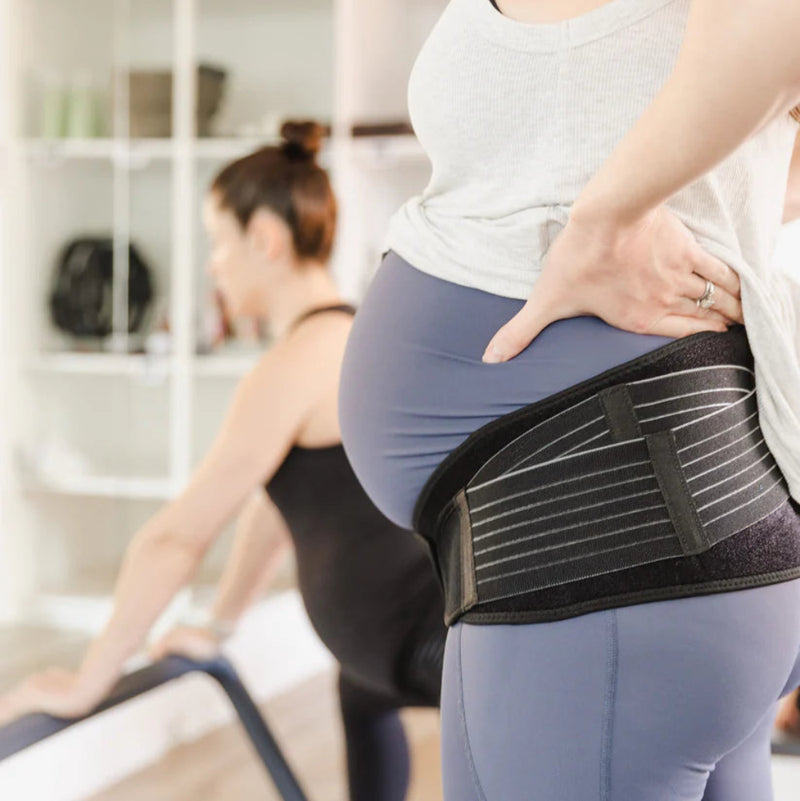
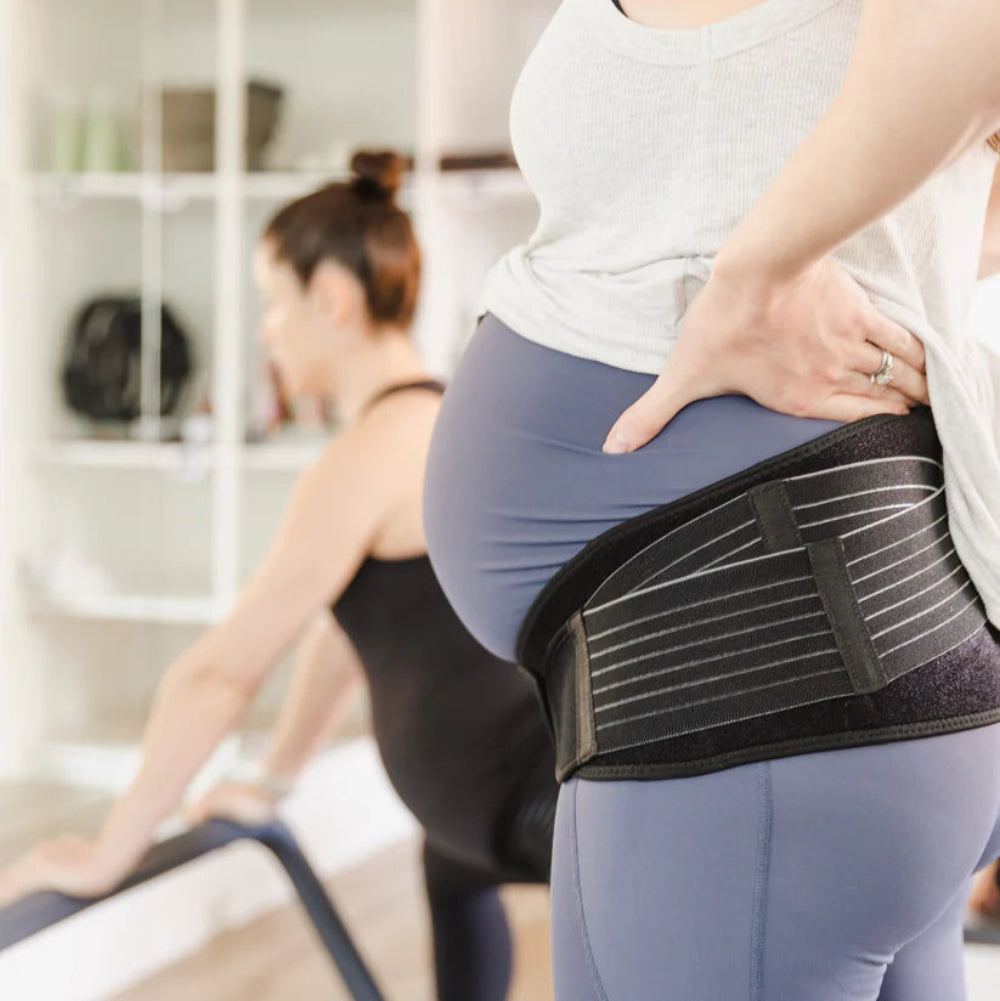
A pregnant woman wearing the GRDL Pregnancy Support Belt — Pelvic & Back Pain Relief stands in the foreground, while another woman exercises on a yoga mat in a bright home setting.

Why Choose the GRDL Pregnancy Belt?

Unlike generic maternity belts, the GRDL is designed specifically for pelvic joint stability. It acts as a pelvic support band rather than simply lifting the bump, which means it directly targets pelvic girdle pain (PGP) — one of the most common sources of discomfort in pregnancy.

Many women also use the GRDL belt as part of their pelvic floor physiotherapy program, combining it with exercise and guided rehab. Its discreet profile means you can wear it daily, even under fitted clothing, without bulk.

GRDL Pregnancy Support Belt FAQ
Frequently asked questions about the GRDL Pregnancy Support Belt, including how it works, conditions it helps with, how to wear it, when to start using it, exercising with the belt, and where to buy in Australia.

The GRDL Pregnancy Support Belt is an Australian-designed maternity support garment engineered specifically for the demands of pregnancy on the body.

What It Is: The belt is a structured support garment worn around the lower back, pelvis, and under the bump during pregnancy. It's designed with careful engineering to provide targeted support exactly where pregnant bodies need it most.

How It Works: The pregnancy support belt functions through several mechanisms.

Pelvic Support: The belt stabilises the pelvic bones and joints, reducing the stress placed on pelvic structures. During pregnancy, hormones (particularly relaxin) cause ligaments to loosen, making pelvic joints more mobile and less stable. The belt provides external stability to compensate for this.

Load Sharing: As your bump grows, its weight increases significantly and shifts your centre of gravity forward. This places enormous stress on your lower back and pelvic structures. The belt distributes this weight more evenly and transfers some load from your spine and pelvis to the belt itself, reducing strain on these structures.

Postural Support: The belt encourages neutral spine posture and helps prevent the excessive lower back curve (hyperlordosis) that commonly develops in pregnancy. Better posture reduces strain on spinal structures and supporting muscles.

Muscle Support: By stabilising your pelvis and spine, the belt reduces the load your core and back muscles must support, allowing them to work more efficiently and fatigue less quickly.

Why Australian Design Matters: GRDL is designed specifically for the Australian climate and body types. This means proper sizing, breathability for warm weather, and design considerations relevant to Australian pregnant bodies.

Non-Restrictive: Unlike some support garments, the GRDL is engineered to support without restricting movement or breathing, allowing you to remain active during pregnancy.

The GRDL is particularly beneficial for several common pregnancy-related pelvic and spinal conditions.

Pelvic Girdle Pain (PGP): PGP is pain in the pelvic joints (sacroiliac joint and pubic symphysis) affecting approximately 1 in 3 pregnant women. Symptoms include pain in the sacroiliac joints (bottom of back, to the side of spine), pain at the front of the pelvis (pubic symphysis), pain with walking, climbing stairs, or rolling in bed, and difficulty with certain positions or movements. The GRDL provides pelvic stabilisation that significantly reduces PGP symptoms for many women.

Symphysis Pubis Dysfunction (SPD): SPD is a specific form of pelvic pain affecting the pubic symphysis (joint at the front of the pelvis). Symptoms include sharp pain at the front of the pelvis, difficulty with leg movements (walking, climbing stairs, rolling in bed), audible clicking or grinding at the front of the pelvis, and significant functional limitation. The belt stabilises the pubic symphysis, reducing pain and improving function.

Lower Back Pain: Pregnancy-related lower back pain is extremely common due to postural changes from the growing bump, increased weight, hormonal ligament loosening, and core muscle changes. The GRDL supports the lower back and stabilises the pelvis, significantly reducing lower back pain for many pregnant women.

Combination Pelvic and Back Pain: Many women experience both pelvic and lower back pain simultaneously. The GRDL addresses both by stabilising the entire pelvic-lumbar region.

General Pregnancy Discomfort: Even without specific diagnoses, many pregnant women find a support belt helps with general heaviness and discomfort in the pelvic region, fatigue from supporting the growing bump, pain with prolonged standing or walking, and difficulty with certain activities.

Who Might Benefit Most: Women with PGP or SPD diagnoses, those with pre-existing back or pelvic issues, women carrying multiples (more weight and load), those with physically demanding jobs, women experiencing significant pain or functional limitation, and those wanting preventative support early in pregnancy.

Effectiveness: Evidence shows that pregnancy support belts significantly reduce pain and improve function for women with pelvic and spinal complaints during pregnancy. Many women report being able to continue activities they otherwise couldn't manage.

Professional Recommendation: If you're experiencing pelvic or back pain during pregnancy, discuss the GRDL with your GP, obstetrician, or a pelvic health physiotherapist. They can confirm it's appropriate for your specific situation and provide guidance on use.

Proper wearing ensures the belt provides maximum support and comfort.

Sizing and Fit: Ensure you have the correct size for your body. The belt should fit snugly without being tight. GRDL provides sizing guidance, so follow recommendations for your measurements. Fit may need adjustment as your body changes during pregnancy. A properly fitting belt should stay in place without constant readjustment.

Positioning the Belt:

Pelvic Positioning: The belt sits low on your hips, supporting your pelvic bones. It should feel stable and secure around your pelvic region.

Lower Back Support: The back of the belt supports your lower back. It should provide firm contact without pinching or discomfort.

Bump Support: The front and sides of the belt support your growing bump, distributing its weight evenly.

Correct Placement: Ensure the belt is centred on your body, not twisted or off to one side. The belt should feel snug and supportive but not restrictive. You should be able to breathe comfortably and move freely. There should be no uncomfortable pressure points or digging.

Putting On and Taking Off: Most GRDL belts fasten with straps or closures that allow easy adjustment. Fasten securely enough to provide support without excessive tightness. You should be able to adjust as your body changes throughout the day. Some women prefer to put the belt on whilst sitting, then stand once fastened.

Layering: You can wear the belt over clothing or under clothing depending on preference. Wearing it over a thin layer (t-shirt or maternity tank) can improve comfort and reduce skin irritation. In warmer weather, wear it over lightweight clothing to allow airflow.

Adjustment Throughout the Day: As your body changes, you may need to adjust the belt's tightness. You might adjust it differently in different positions (sitting vs standing). Many women loosen it slightly when sitting and tighten when standing or walking.

Duration of Wear: Many women wear the belt throughout the day during activities. You can wear it for as long as it feels helpful. Some women prefer to remove it during rest periods or sleeping. Listen to your body, wear it when you need support and remove it when you don't.

Common Mistakes to Avoid: Don't wear it so tight that you can't breathe or move comfortably. Don't position it too high (under ribs) or too low (too far down on thighs). Don't expect it to work if it's not properly fitted or secured. Don't ignore pain. If the belt causes pain, adjust the fit or consult a healthcare provider.

Getting Help: If you're unsure about proper fit or positioning, ask your midwife, GP, or a pelvic health physiotherapist to show you. Many healthcare providers can ensure you're wearing it correctly for maximum benefit.

Timing of belt use depends on when pain develops and your individual pregnancy.

When to Start:

Early Symptoms: Some women experience pelvic or back pain as early as the first trimester. If you develop pain, you can start using the belt as soon as symptoms appear.

Preventative Use: Some women with a history of back or pelvic issues, or previous pregnancies with pain, start the belt early (12-16 weeks) preventatively before symptoms develop.

Second Trimester: Many women start the belt around 16-20 weeks when the bump becomes significant enough to alter posture and increase loading on the spine and pelvis.

When Pain Develops: Some women don't need support until later in pregnancy when the bump is larger. Start wearing it when you notice symptoms.

Flexibility: There's no "right" time to start. Use it when you need it. Some days or activities might require the belt; others might not.

Throughout Pregnancy: Continue wearing the belt for as long as it helps during your pregnancy. Some women wear it continuously; others wear it only for activities or specific times. As pregnancy progresses and your body changes, you might adjust how often you wear it. Many women find it increasingly helpful as they approach delivery when the bump is heaviest.

Late Pregnancy: By third trimester, many pregnant women find the belt essential for managing increased weight and load. Late pregnancy pain is often most significant due to maximum bump size. Continue using the belt as long as it provides relief.

When to Stop: You can continue wearing the belt right up to labour if it helps. After birth, you can discontinue once you feel the support is no longer needed. Most women stop wearing it in the immediate postpartum period, though some continue if pain persists.

Trial Approach: If you're unsure whether you need the belt, try wearing it for a few days to see if it helps. Notice whether activities are easier, pain is reduced, or fatigue decreases. This practical trial helps you decide whether it's beneficial for you.

Professional Guidance: Your GP, midwife, or pelvic health physiotherapist can advise on timing specific to your situation and pregnancy. If pain develops, discuss the belt as a management option promptly rather than suffering unnecessarily.

Yes, exercise with the belt is possible and often beneficial.

Why Exercise During Pregnancy Matters: Regular, appropriate exercise during pregnancy offers significant benefits including improved cardiovascular fitness, building strength for labour and delivery, supporting mental wellbeing, helping with weight management, improving sleep quality, reducing pain and discomfort, and preparing your body for the physical demands of labour and postpartum recovery.

How the Belt Supports Exercise: The GRDL actually enhances your ability to exercise during pregnancy by stabilising your pelvic joints and reducing pain during movement, supporting your spine and allowing you to maintain proper form, reducing fatigue from supporting the bump, and allowing you to exercise for longer or at higher intensity than might be possible without support.

Exercises You Can Do:

Walking: The primary exercise during pregnancy, enhanced by the belt's support. Many women find walking much more comfortable and enjoyable with the belt.

Swimming and Water Exercise: Excellent pregnancy exercise. Check whether your GRDL can get wet (most can), and if so, wear it in the water for additional support.

Stationary Cycling: The belt supports your spine and pelvis during cycling, which is excellent for cardiovascular fitness without impact.

Pelvic Floor Exercises: Critical during pregnancy. The belt doesn't interfere with pelvic floor work and can actually help you focus on engagement whilst the belt stabilises your pelvis.

Gentle Strength Training: With proper form and appropriate weights, strength training is beneficial. The belt supports your spine and allows you to maintain good form.

Yoga and Pilates: Prenatal yoga and modified Pilates are excellent. The belt supports your spine and pelvis during these movements.

Exercises to Modify or Avoid: High-impact exercise (running, jumping) is generally not recommended during pregnancy. Exercises lying on your back (especially late pregnancy) can be uncomfortable with the bump. Contact sports or activities with fall risk should be avoided. Excessive twisting or spinal flexion should be modified.

Wearing the Belt During Exercise: Ensure the belt is properly fitted before exercise. The belt should feel stable and supportive, not restrictive. You should be able to breathe easily and move comfortably. Loosen it slightly if it feels too tight during exercise. Adjust as needed, the belt shouldn't interfere with your movement.

Benefits Reported: Many pregnant women report that wearing the belt during exercise allows them to exercise for longer duration, perform movements with less pain, feel more confident and stable, continue favourite activities they might otherwise have stopped, and maintain fitness levels better throughout pregnancy.

Safety Considerations: Always follow general pregnancy exercise guidelines. Avoid exercises that cause sharp pain (distinct from general pregnancy discomfort). Stop if you experience concerning symptoms (bleeding, dizziness, severe pain). Listen to your body and don't push beyond comfortable limits.

Professional Guidance: Discuss exercise plans with your GP or a women's health physiotherapist. They can recommend specific exercises appropriate for your fitness level and pregnancy situation, and confirm that the GRDL supports your chosen activities.

The belt is a tool that enables continued activity and fitness during pregnancy, supporting both physical health and overall wellbeing.

The GRDL Pregnancy Support Belt is available through Blossom Pelvic Health, Australia's specialist retailer for pelvic health and pregnancy wellness products.

Why Shop with Blossom Pelvic Health: Blossom offers fast, discreet delivery nationwide across Australia, making pregnancy support products accessible everywhere. GRDL is Australian-designed and made for Australian bodies and climate, and we're proud to stock a locally designed product. Your belt arrives in plain, unmarked packaging that is private and confidential. As specialist pelvic health retailers, our team understands pregnancy-related pain and support needs intimately. We can advise on sizing and fitting to ensure you get maximum benefit. We stock genuine GRDL products with proper sizing and quality standards. Our team can answer questions about fit, sizing, and how the belt supports different pregnancy conditions.

Ordering Online: Browse our website to view the GRDL Pregnancy Support Belt and sizing information. Read detailed product information and customer experiences. Check sizing guidance carefully to ensure proper fit. Add to your cart and proceed to secure checkout. Receive order confirmation and tracking information. Delivery arrives within the standard timeframe for your location.

Sizing Guidance: GRDL provides specific sizing recommendations based on measurements. Getting the correct size is crucial for proper support and comfort. Our team can help with sizing questions if you're unsure. Many women find they need different sizes at different stages of pregnancy.

Timing for Purchase: Order when you first experience pregnancy pain or when you want preventative support. Many pregnant women order around 16-20 weeks. Don't wait if you're experiencing pain, having the belt promptly allows you to benefit from support immediately. Whether you need it from early pregnancy or later on, order when it suits you.

Getting Maximum Benefit: Ensure proper fit by following sizing guidance carefully. Ask your midwife or GP for fitting confirmation if unsure. Wear consistently when needed for best results. Combine with other pain management approaches (physiotherapy, exercise, posture). Consult a pelvic health physiotherapist if pain is significant.

Professional Support: We recommend discussing the GRDL with your GP, midwife, or obstetrician, particularly if you're experiencing pelvic or back pain. They can confirm it's appropriate and provide guidance on use. A pelvic health physiotherapist can also assess your specific needs and advise whether the belt is suitable for your situation.

Supporting Australian Pregnancy Health: We're committed to supporting Australian pregnant women with products designed specifically for local needs. The GRDL represents excellent Australian design and engineering for pregnancy support.

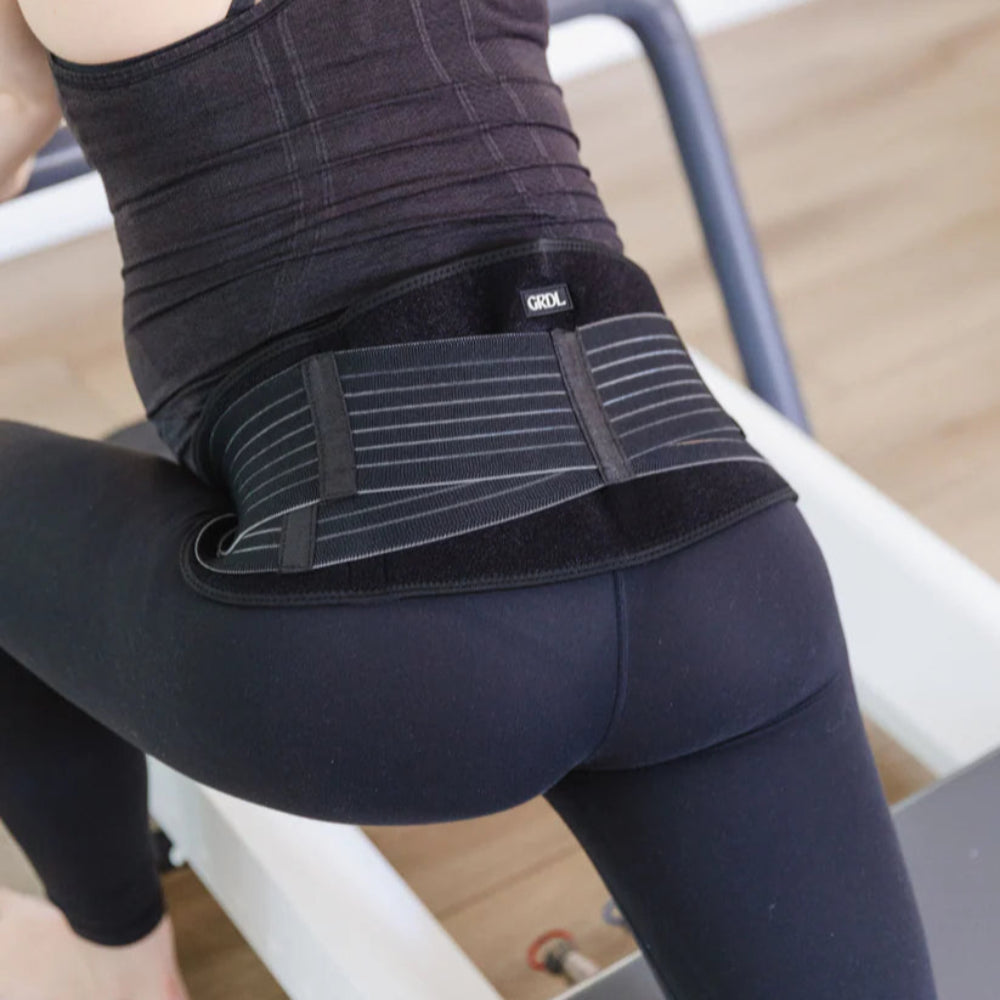
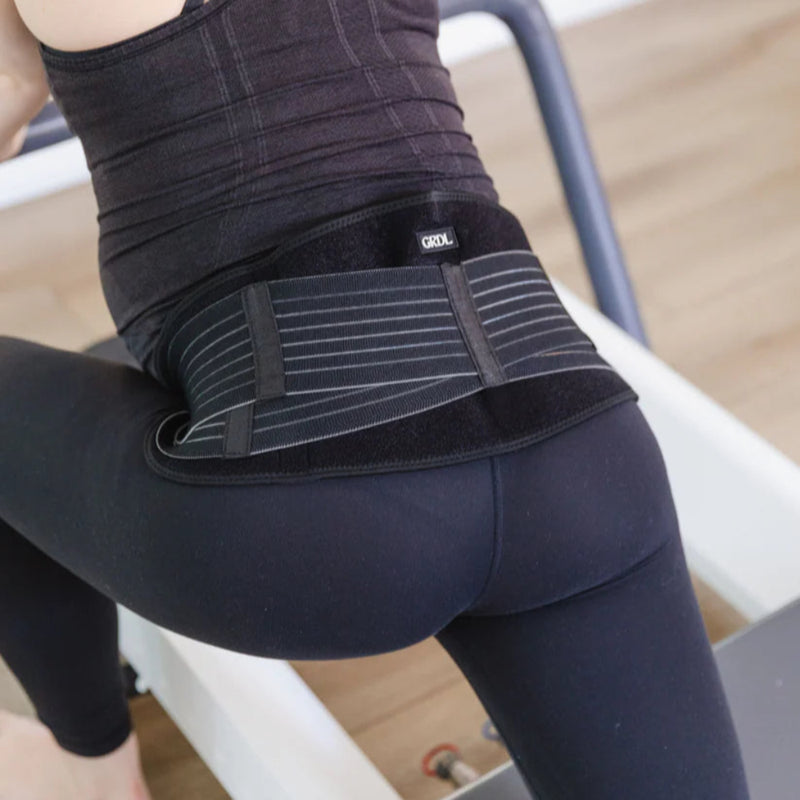
A person in black athletic wear sits on indoor exercise equipment, focusing on their lower back, while wearing the GRDL Pregnancy Support Belt — Pelvic & Back Pain Relief from GRDL.

AUSTRALIAN OWNED

GRDL

GRDL is proudly an Australian owned brand, created by a Women’s & Pelvic Health Physiotherapist with nearly a decade of experience working in both maternity wards and private pelvic health clinics. Drawing on her clinical expertise and her own pregnancy journey, she designed the GRDL Pregnancy Belt to deliver effective, practical pelvic and back support with comfort and care at its core.

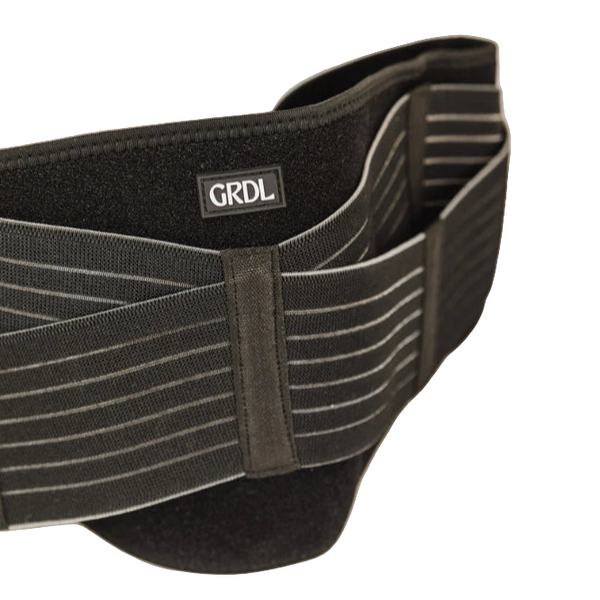
The GRDL Pregnancy Support Belt offers lumbar and pelvic support with adjustable elastic straps and a branded front logo—ideal for relieving pelvic girdle pain during pregnancy.

GRDL Pregnancy Support Belt — Pelvic & Back Pain Relief

$75.00

Your Cart

Your Cart is empty
Let's fix that

Your Wishlist