Vaginal Dilators
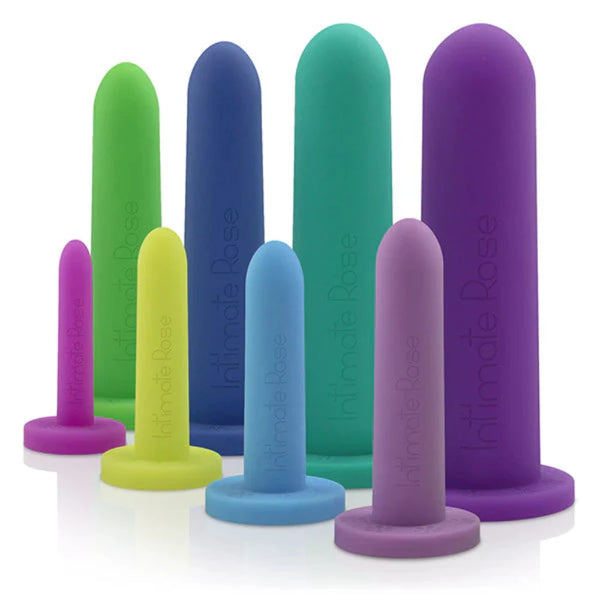
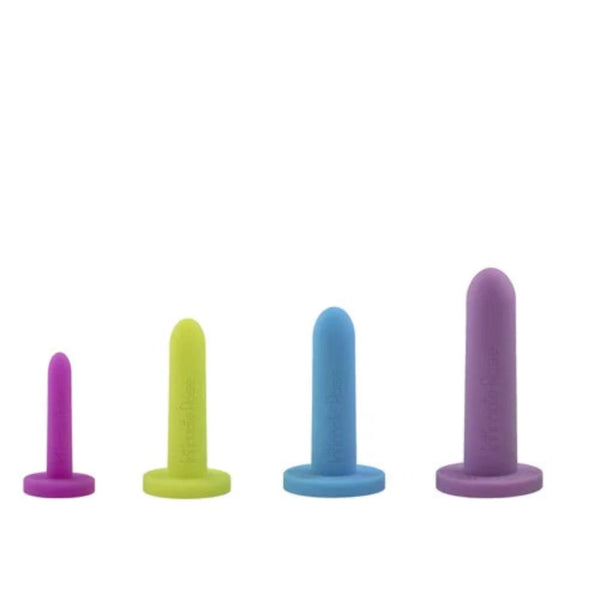
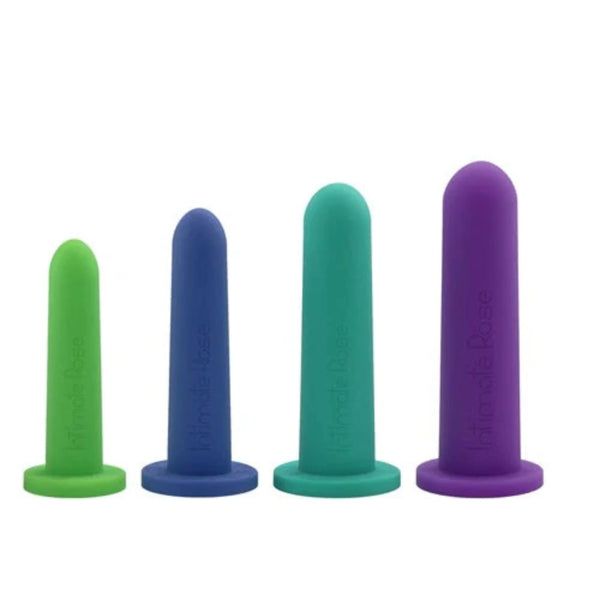
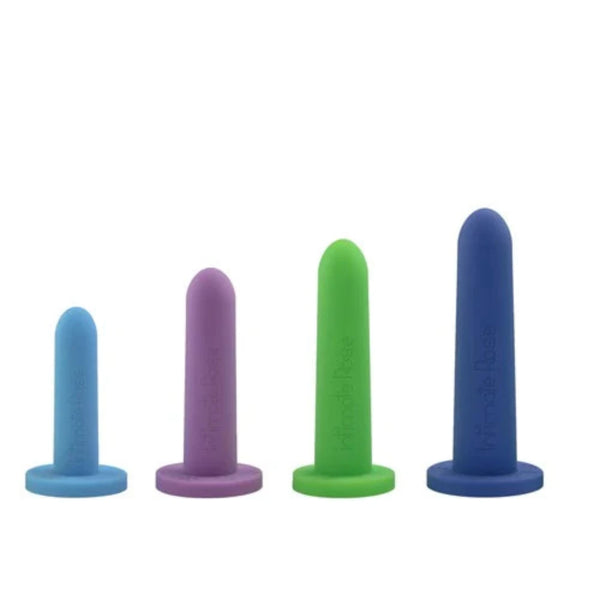
If your pelvic physiotherapist has suggested dilator work, these are the sets they're likely to be reaching for. They're used for sensitivity, comfort with penetration, or as part of a recovery plan. Medical-grade silicone or plastic, graduated sizes from small to large, all stocked in Australia and dispatched in plain packaging.
Below: how to compare materials, tip shape, and whether you need a handle, plus the most asked-about questions on starting out. If you'd like a hand choosing, email us. Every email is read by our physio.









Filters
How to Choose the Right Vaginal Dilator: Feature Comparison Guide
Not sure which vaginal dilator is right for you? Use this table to compare materials, tip styles, wearability, and handle options -so you can choose a dilator that suits your comfort level, condition, and therapy goals.
| Feature | Best For | Why It’s Used |
|---|---|---|
| Silicone | Beginners, vaginismus, vulvodynia, general pelvic pain | Soft and flexible, more comfortable for sensitive tissues |
| Plastic | Post-radiation therapy, maintaining vaginal patency, firmer stretch needs | Firmer and holds shape, provides consistent pressure |
| Tapered Tip | Ease of insertion, anxiety, pelvic floor tightness | Gradual entry reduces discomfort and improves compliance |
| Non-Tapered Tip | Post-cancer treatment, maintaining vaginal shape, uniform stretch | Consistent diameter helps preserve vaginal structure and prevent stenosis |
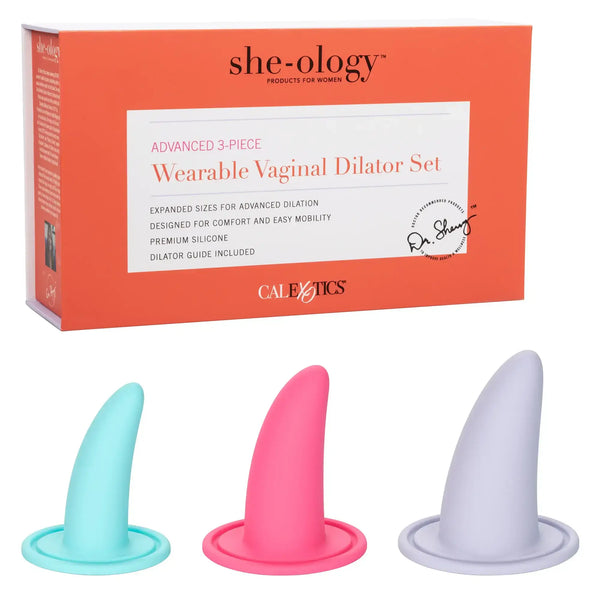
| Wearable | Passive desensitisation, daily wear, building tolerance over time | Hands-free option helps with consistent, prolonged use |
| Non-Wearable | High pain levels, early stages of therapy, need for full control | Allows user to adjust depth and pressure at own pace |
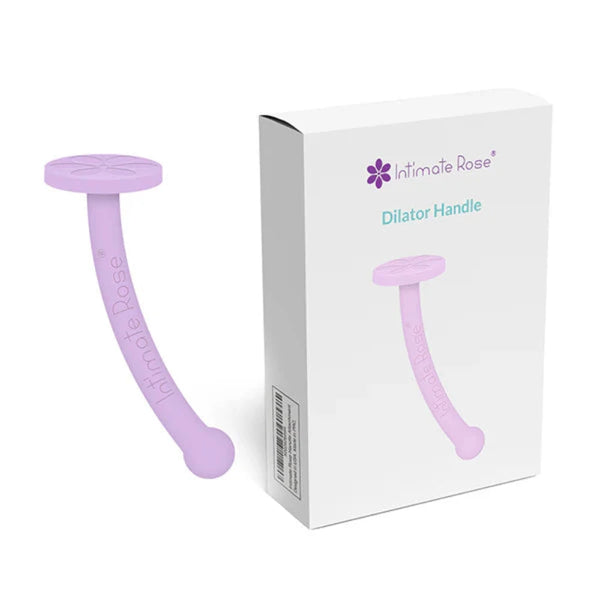
| Handle (Included or Optional) | When reach or grip is difficult, post-op use, clinician recommendation | Improves comfort and access, especially for hard-to-reach angles |
F.A.Q
Vaginal dilators help gently stretch the vaginal tissues and relax the pelvic floor muscles. They’re used to reduce pain with penetration, support recovery after surgery, and help with conditions like vaginismus, dyspareunia, and menopause-related dryness.
Yes. Vaginal dilators are safe for home use when used correctly and progressively. Always start with the smallest size and apply a water-based lubricant. If you have concerns, speak to a pelvic health physiotherapist or doctor for guidance.
Everyone’s journey with dilator use is different. Some people may only feel comfortable with a few minutes at a time, while others might work up to 15–20 minutes. Many physiotherapists recommend using a dilator around 3 to 5 times per week, but it’s okay to go at your own pace. What matters most is feeling safe, relaxed, and supported.
No prescription is needed in Australia to purchase vaginal dilators. However, working with a pelvic health physio can help tailor your approach and improve results.
We recommend using a high-quality water-based lubricant that’s free from irritants like parabens or glycerin. Silicone-based lubricants are not recommended with silicone dilators.
A vagina spreader is a term sometimes used to describe devices that gently widen or stretch the vaginal opening. In a therapeutic context, these are more accurately called vaginal dilators, and they are designed for gradual, comfortable use to support pelvic floor health, recovery after surgery or radiation, or to ease discomfort during intimacy. While “vagina spreader” is not a medical term, some people use it when searching for vaginal dilators, so the products in this collection may suit both purposes.