Personal Lubricants & Vaginal Moisturisers
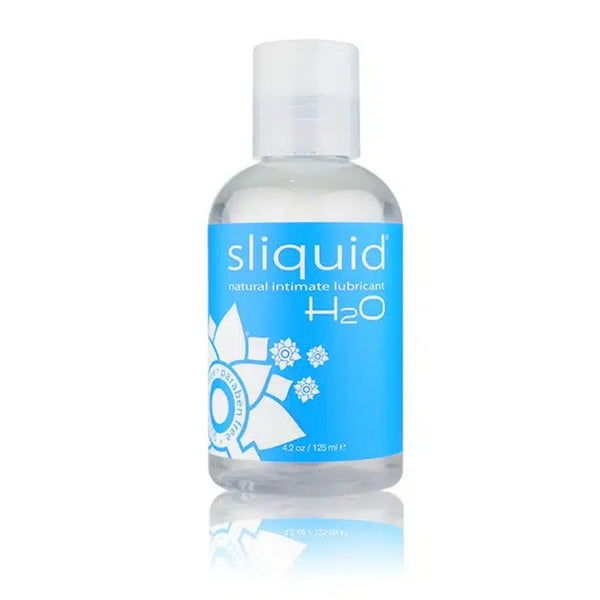
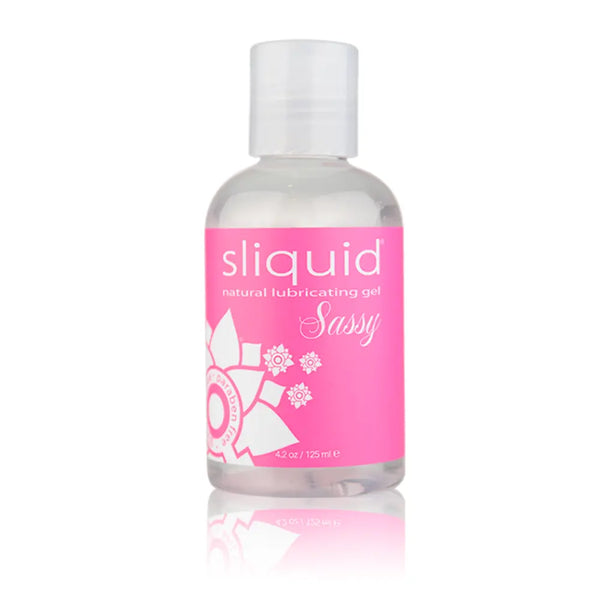
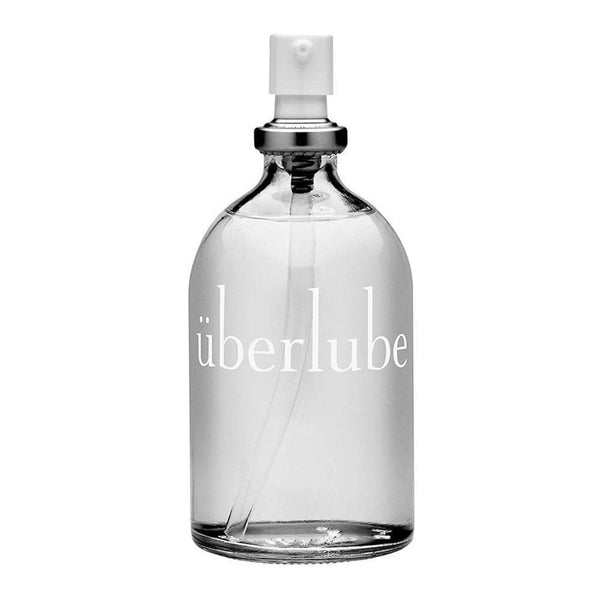
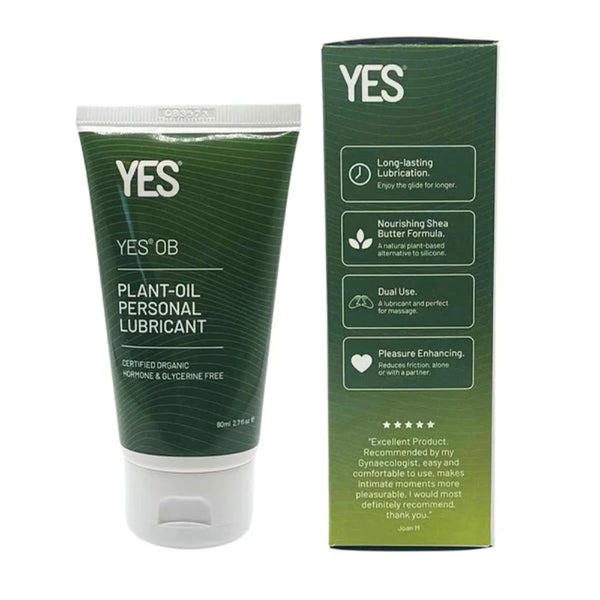
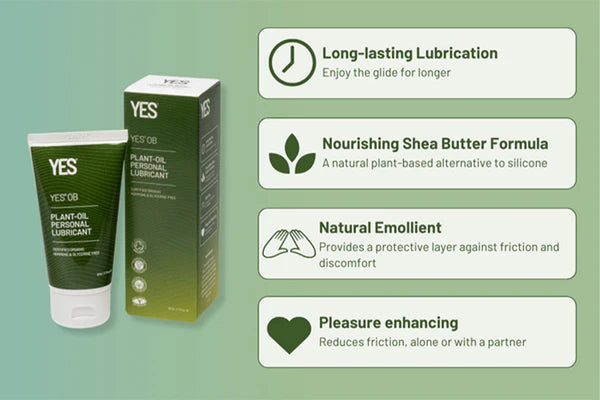
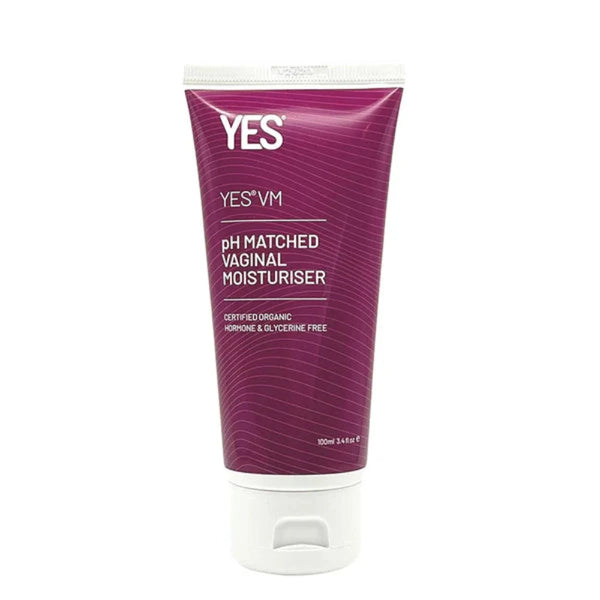
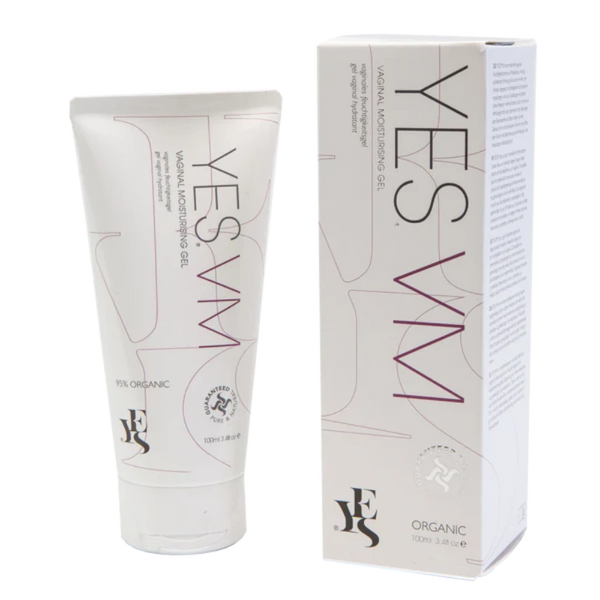
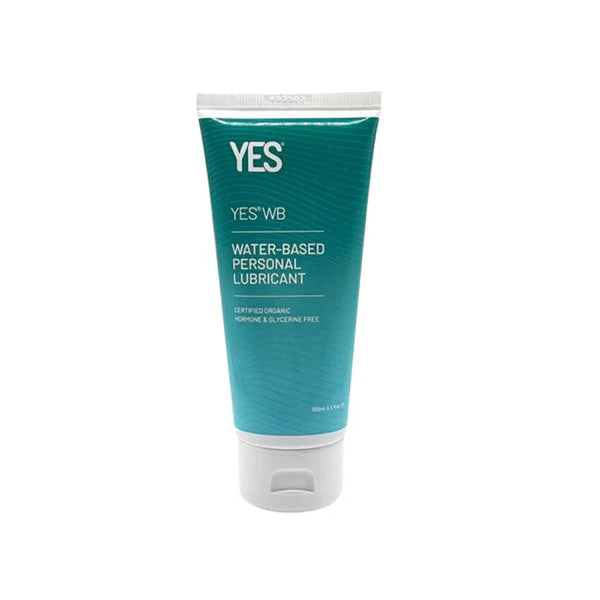
Explore our Lubricants & Vaginal Moisturisers collection, offering a range of organic, body-safe products designed for intimate comfort. Whether you need moisture for dryness, post-surgery recovery, or gentle lubrication during sexual activity, our collection features water-based, oil-based, and all-natural options. Perfect for sensitive skin, these products are free from harsh chemicals, gluten, and parabens, ensuring safe, soothing care for vaginal health. Ideal for daily use, these lubricants and moisturisers are essential for supporting comfort and wellness.









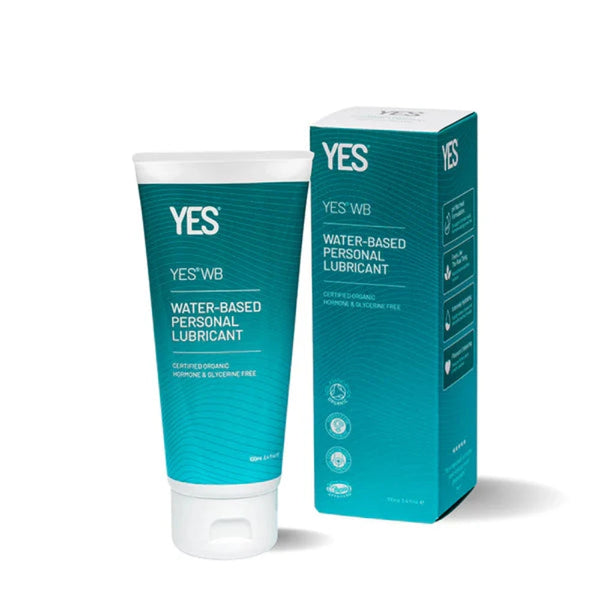
Showing 15 of 15 products
Filters
Choosing a Safe Vaginal Lubricant for Comfort and Vaginal Health
Vaginal Lubricants & Personal Lubricant FAQs for Women
Learn More About Vaginal Lubricants & Women’s Intimate Comfort