Skip to content
Menu

Personal Lubricants & Vaginal Moisturisers

Body-safe lubricants and vaginal moisturisers from Sliquid, YES, Uberlube and Olive & Bee. Stocked by Australia’s physiotherapy-led pelvic health brand. No parabens, glycerin or added fragrance, formulated for everyday comfort, intimacy, and the times you simply need a little more. Not sure which to choose? See our full Australian lubricants guide for a side-by-side breakdown of water-based, silicone, oil-based, and aloe formulas.
Sorted by:
Showing 15 of 15 products

Filters

Personal lubricant vs vaginal moisturiser

A personal lubricant, sometimes called a vaginal lubricant, works in the moment. It reduces friction during sex, pelvic-floor therapy, or any situation where slip helps.

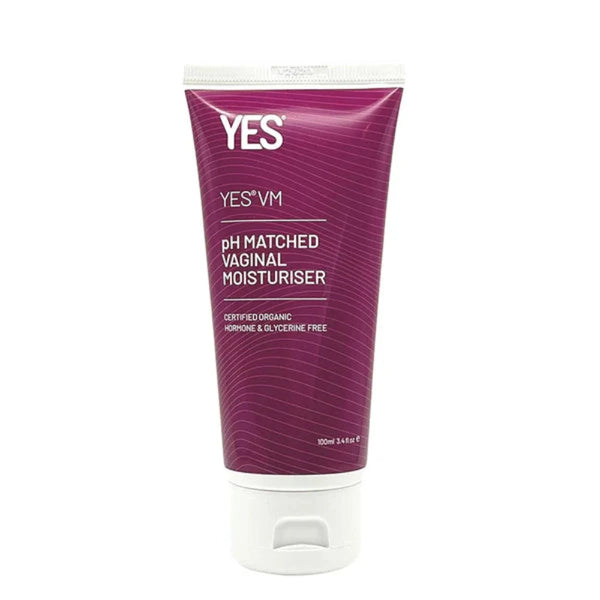
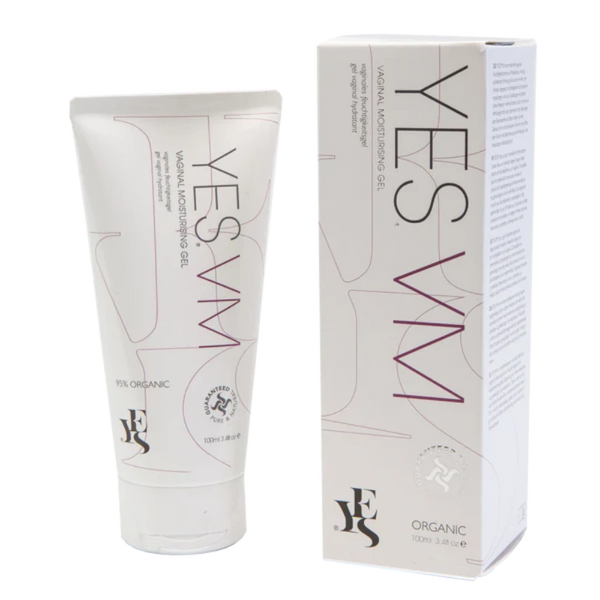
A vaginal moisturiser like YES VM or Olive & Bee Intimate Cream is a daily intimate moisturising cream. It works over hours to days and is designed for sensitive intimate skin.

Some people use both: a moisturiser for everyday comfort, plus a lubricant during intimacy.

Vaginal moisturiser and lubricant side by side — a guide to understanding the difference and when to use each
Natural personal lubricants arranged on a marble surface with eucalyptus — an Australian wellness aesthetic

How to Choose the Right Lubricant for Women

Choosing the right lubricant for women really comes down to the base formula: water, silicone, or oil. Here’s how the three compare.

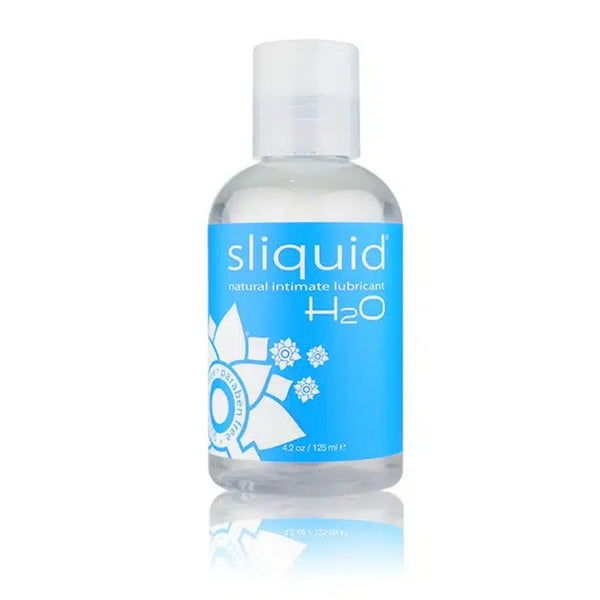
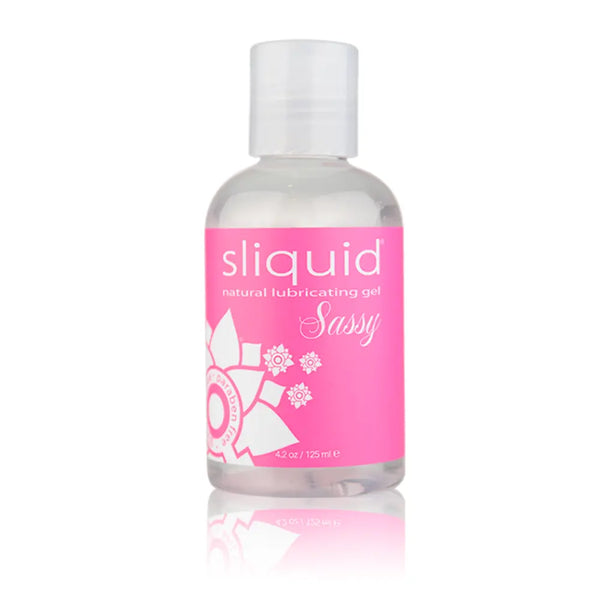
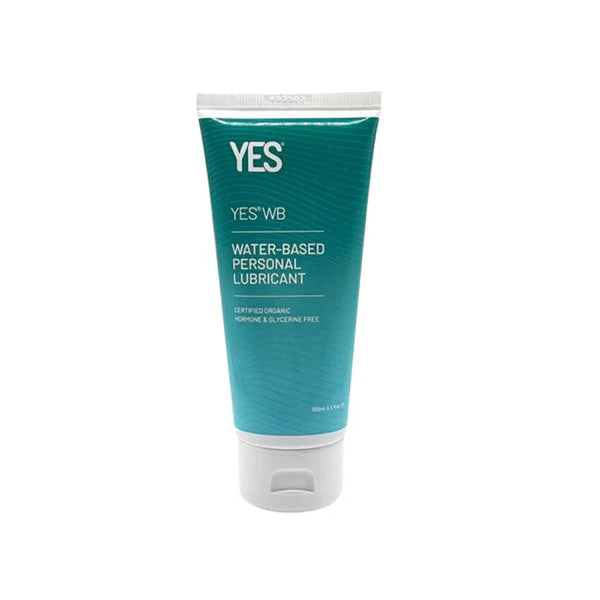
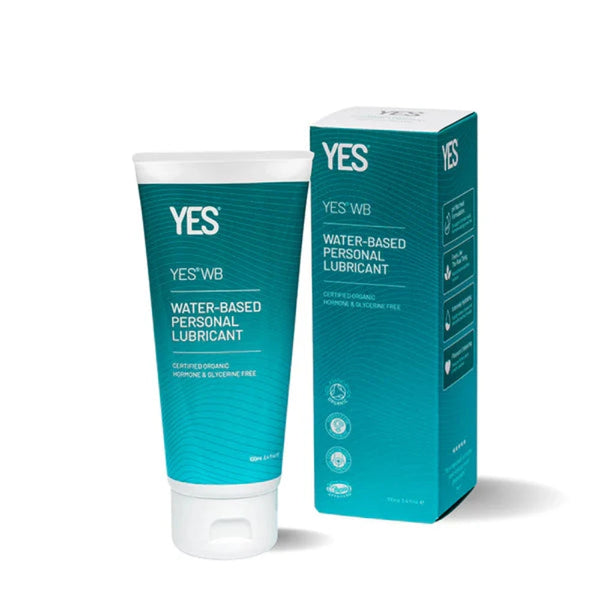
Water-based options (Sliquid H2O, YES WB, Sliquid Sassy) suit sensitive skin and work with every condom material and silicone tool.

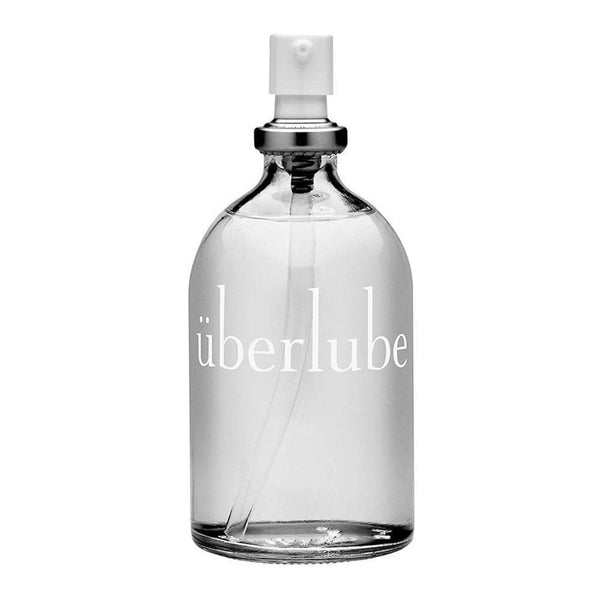
Silicone-based (Uberlube) lasts longer and glides further, but isn’t compatible with silicone toys.

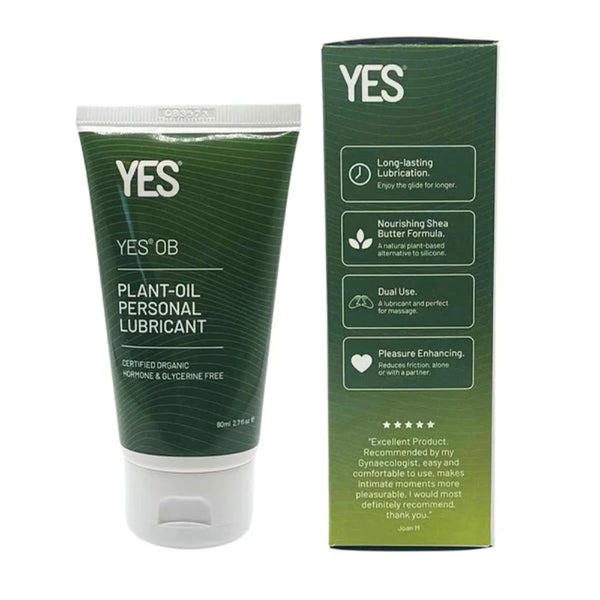
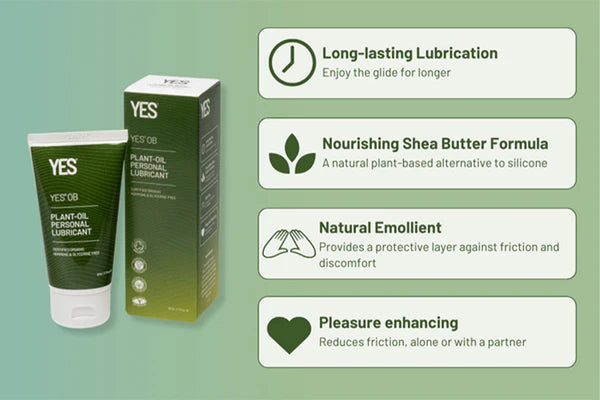
Oil-based formulas (YES OB, YES COCO, Olive & Bee) are richer and longer-lasting. They degrade latex condoms, so pair with non-latex if condoms are in the mix.

For everyday intimate comfort

YES VM and Olive & Bee Intimate Cream are cream-based moisturising options that sit alongside the lubricants in this collection. They’re useful day-to-day, on their own, or paired with a lubricant during intimacy.

YES VM is a long-acting water-based formula. Olive & Bee Intimate Cream is a richer plant-oil cream made in Australia. Both are designed for sensitive intimate skin.

Vaginal moisturiser and lubricant on a bathroom shelf — a simple routine for managing vaginal dryness
Person reading ingredient label on a lubricant bottle — a guide to avoiding harmful ingredients in vaginal lubricants

What ‘body-safe’ actually means

The brands in this collection are pH-matched, glycerin-free, paraben-free, and free of added fragrance. Each has a clear ingredient list. None contain warming or numbing additives, which are common irritants in mainstream lubes.

If dryness is persistent or affecting daily life, a GP or pelvic health physiotherapist can help you work through the wider set of options including hormone therapy.

Personal Lubricant & Vaginal Moisturiser FAQs

A personal lubricant reduces friction in the moment. It’s useful for sex, dilator therapy, or any time slip helps. A vaginal moisturiser supports tissue hydration over hours to days. People with ongoing dryness often use both: a moisturiser daily, plus a lubricant when intimacy is on the cards.

There’s no single ‘best’ product. Look for water-based or oil-based formulas without glycerin, parabens or added fragrance, and check the ingredient list. YES VM is a long-acting water-based formula. Olive & Bee Intimate Cream is a richer plant-oil cream made in Australia. Both are designed for sensitive intimate skin.

For persistent dryness, especially around hormonal changes, a GP or pelvic health physiotherapist can talk through the wider set of options including hormone therapy.

Coconut oil is often discussed online as a natural personal lubricant, and some women do use it. However, it is not designed or tested as a vaginal lubricant, so it may not be suitable for everyone.

Coconut oil is oil-based, which means it should not be used with latex condoms because oil can weaken latex and increase the risk of breakage.

It also does not match the natural vaginal pH. Some women tolerate coconut oil without issues, while others notice irritation, discomfort, or recurrent infections such as thrush. Women who are prone to vaginal infections or sensitivity may be more likely to experience problems.

Another consideration is that oil-based products can be harder to wash away from vaginal tissues and pelvic health devices.

Because of these factors, coconut oil is generally not considered a first-choice lubricant by pelvic health clinicians. Lubricants formulated for vaginal use are designed to be more predictable and gentle on sensitive tissue.

If someone chooses to try coconut oil and notices irritation, itching, or unusual discharge, it is best to stop using it and seek advice if symptoms persist.

Vaseline (petroleum jelly) is not recommended as a vaginal lubricant.

Petroleum jelly is thick and occlusive and is designed for external skin use rather than internal vaginal use. It can be difficult to fully clear from the vaginal canal.

Research has found an association between intravaginal petroleum jelly use and higher rates of bacterial vaginosis. This does not mean it causes infection in every case, but the risk is enough that most clinicians advise against using it internally.

Like other oil-based products, Vaseline is also not compatible with latex condoms because oils can weaken latex and increase the chance of breakage.

While it may seem convenient, Vaseline is not formulated for the vaginal environment. The vagina has different needs compared to external skin.

If someone is searching for a lubricant due to dryness or discomfort, a product designed specifically for vaginal use is generally a safer and more supportive choice for long-term vaginal health.

Olive oil is sometimes suggested online as a natural personal lubricant. Like coconut oil, it isn’t formulated for vaginal use and isn’t safe with latex condoms. The oil weakens the latex and increases breakage risk. Olive oil also doesn’t match vaginal pH and can be hard to wash away. A purpose-made water-based lubricant is a safer choice.

Some people tolerate olive oil without issues, while others notice irritation, discomfort, or recurrent infections such as thrush. If you’ve tried it and noticed any of those, switching to a lubricant designed for intimate use usually resolves it. Pelvic health physiotherapists and GPs see this question often.

Apply a small amount to the vaginal entrance, to a partner, or to a dilator or pelvic wand. Add more if needed. Lubricant should never sting or burn. Irritation usually means a sensitivity to a specific ingredient, and switching products often resolves it.

Yes. Most lubricants have a shelf life of 1–3 years unopened. Once opened, the period after opening is usually printed on the bottle. Stop using if the texture, colour or scent changes. Degraded preservatives can irritate sensitive tissue.

There’s no single best lubricant for women. The right one depends on what you need it for. Water-based is the most versatile and is safe with condoms and toys. Silicone lasts longer and works in water. Hybrids blend the two. If you have sensitive skin, look for organic, glycerin-free formulas.

Water-based is the easiest starting point for most people: it feels natural, rinses off cleanly, and is safe with latex condoms and silicone toys. The trade-off is that it can dry out sooner, so you may need to reapply or add a little water. Silicone lasts longer and is lovely in the bath or shower, but skip it with silicone toys, because it can damage the surface over time. Hybrids give you the longer-lasting feel of silicone with the easy clean-up of a water-based formula. Beyond the base, the ingredient list is worth a look. Glycerin-free and fragrance-free options are a sensible default for intimate use, and organic formulas tend to suit sensitive skin.

More from the Blossom guides

A few practical guides on choosing the right body-safe lubricant or intimate moisturising cream. What to look for, what to avoid, and how to pick between water-based, silicone, and oil-based formulas.

Australian guide to lubricants for dryness and pleasure

The Best Lubricants for Dryness & Pleasure: An Australian Guide

A practical guide to choosing between water-based, silicone, and oil-based lubricants. What suits sensitive skin, what works with which condoms, and which formulas avoid common irritants like glycerin and parabens.

Read more
Silicone vs water-based lubricant guide

Silicone vs Water Based Lube: A Quick Guide

Picking between water-based and silicone-based comes down to four things: how it feels, what it’s safe with, how long it lasts, and how easy it is to clean up. The full breakdown for both, with brand examples.

Read more
Olive and Bee Intimate Cream review

Why Olive & Bee Intimate Cream is a Gentle, Natural Choice

A closer look at the Olive & Bee Intimate Cream. What makes a 2-ingredient olive oil and beeswax formula stand out, and who tends to find it useful.

Read more

Your Cart

Your Cart is empty
Let's fix that

Your Wishlist