Skip to content
Menu

Kegel Balls & Kegel Weights Australia for Pelvic Floor Strength

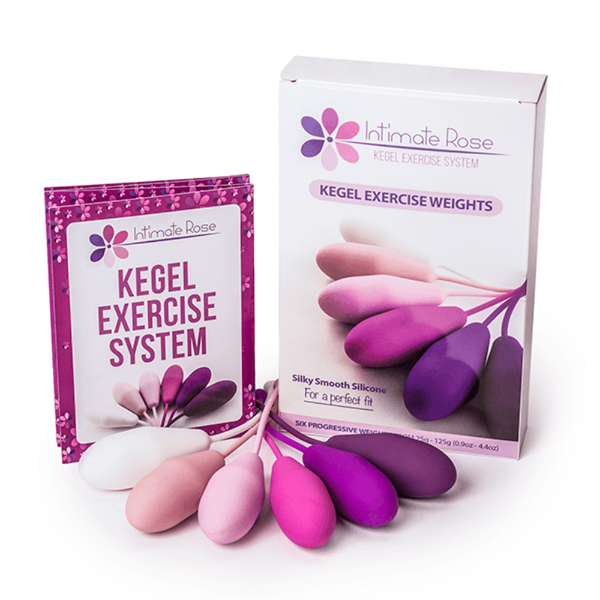
Kegel balls and kegel weights, also known as vaginal weights or pelvic floor exercise weights, are physiotherapist-recommended tools used to strengthen the pelvic floor muscles. Many women look for kegel balls to help with bladder leakage, postpartum recovery, pelvic floor weakness, and improving pelvic floor awareness.
Sorted by:
Showing 6 of 6 products

Filters

Choosing the Right Kegel Weights for Pelvic Floor Training

Kegel weights and vaginal weights can be a helpful addition to pelvic floor exercises when used correctly. They provide gentle resistance and feedback, helping the pelvic floor muscles contract and relax more effectively.

The most important factors when choosing kegel balls or pelvic floor weights are weight, size, shape, comfort, and body-safe materials.

Many women assume heavier is better, but pelvic floor training is about control, not maximum load. Starting with a lighter or wider device is often more effective. Wider kegel balls are often easier to hold because they provide more surface contact and sensory feedback, while narrower devices require more precise muscle control.

Kegel pelvic exercise weights should never cause discomfort or straining. If you feel bearing down, discomfort, or difficulty holding the weight, it may be too heavy or not the right fit.

Our range focuses on quality, body-safe kegel weights designed for real pelvic floor rehabilitation and long-term pelvic health support.

Kegel Weights & Kegel Balls FAQs

Many women search how to use kegel balls when starting pelvic floor training. Kegel balls are inserted into the vagina and held in place by gently contracting the pelvic floor muscles.

Start in a comfortable position such as lying down or seated. Insert the kegel ball using clean hands and a small amount of water-based lubricant if needed. Once inserted, gently contract your pelvic floor as if stopping the flow of urine. The goal is a gentle lift, not pushing or bearing down.

Short sessions of five to fifteen minutes are usually enough, two to four times per week. Pelvic floor muscles also need rest to recover.

Kegel balls should never cause pain or discomfort. If they feel difficult to hold or you notice straining, they may be too heavy or not the right size.

Correct technique matters more than duration. A pelvic health physiotherapist can assess your pelvic floor and guide you to ensure you are using kegel balls safely and effectively.

Kegel balls are small weighted devices used for pelvic floor muscle training. They are also called vaginal weights or pelvic floor exercise weights.

Their purpose is to provide feedback and gentle resistance. When inserted, the pelvic floor muscles naturally contract to hold the weight in place. This helps improve muscle awareness, coordination, and strength.

Women often use kegel balls for bladder leakage, postpartum recovery, and pelvic floor weakness. They can also support women returning to exercise after pregnancy.

Kegel balls are a training tool, not a quick fix. They work best as part of a pelvic floor program that includes correct contraction, relaxation, and breathing.

They are not suitable for everyone. Women with pelvic pain, overactive pelvic floor muscles, or certain medical conditions should seek professional guidance before using them.

Pelvic floor muscle training is strongly supported by research for improving bladder control and supporting pelvic organ support. Kegel balls can help because they provide physical feedback and resistance.

However, they are only effective when used correctly. Pelvic floor dysfunction is not always about weakness. Some women have tight or poorly coordinated muscles, and strengthening alone may not help.

Kegel balls work best for women who have confirmed pelvic floor weakness and can perform correct contractions. They are a tool to support training, not a replacement for proper assessment.

Many women notice improvements within six to twelve weeks when training is consistent and appropriate.

For best results, pelvic floor training should be individualised. A pelvic health physiotherapist can determine whether kegel balls are right for you.

Kegel balls are designed with a retrieval cord or handle, so they cannot get lost inside the body. The vagina is a closed canal, so kegel balls cannot travel beyond it.

When used as directed, kegel balls are generally safe for most women. They should be cleaned before and after use and used for short sessions rather than all-day wear.

They are not recommended during pregnancy unless advised by a healthcare professional. They should also be avoided if you have pelvic pain, infection, or recent pelvic surgery.

If a kegel ball feels difficult to remove, relaxing the pelvic floor and squatting can help. If discomfort or concern persists, medical advice should be sought.

Kegel balls and vaginal weights are available through pelvic health retailers. When buying kegel balls in Australia, it is important to choose body-safe, medical-grade products from trusted sources.

At Blossom Pelvic Health, our kegel weights are physiotherapist selected and focus on comfort, safety, and progressive training.

If you are unsure which kegel balls to buy, starting with a lighter and comfortable option is usually best.

Learn More About Kegel Balls & Pelvic Floor Training

If you’d like to learn more about using kegel balls safely, strengthening your pelvic floor, and choosing the right vaginal weights, these physiotherapist-written guides can help. Our educational articles are designed to support safe, effective pelvic floor training and help you feel confident in your choices.

Several pastel-colored kegel exercise balls rest on a folded white towel, with a lit candle, perfume bottle, and flowers in the softly blurred background. Pink rose petals are scattered on the surface.

Kegel Balls Explained: What They Are, How They Work, and How to Use Them Safely

If you’d like to learn more about using kegel balls safely, strengthening your pelvic floor, and choosing the right vaginal weights, these physiotherapist-written guides can help. Our educational articles are designed to support safe, effective pelvic floor training and help you feel confident in your choices.

Learn how to use kegel balls

Your Cart

Your Cart is empty
Let's fix that

Your Wishlist